
Wellness habits from the world’s Blue Zones for longevity


Table of Contents
Introduction
Imagine living in a place where people regularly celebrate their 90th and even 100th birthdays—not in hospitals or nursing homes, but in the heart of their communities, surrounded by family, friends, and laughter. These rare corners of the world, known as Blue Zones, have captured the attention of researchers and wellness seekers alike. They hold powerful clues about how lifestyle—not just genetics—can help us live longer, healthier, and more vibrant lives.
The concept of wellness habits from the world’s Blue Zones for longevity comes from studying five distinct regions: Okinawa in Japan, Sardinia in Italy, Nicoya in Costa Rica, Ikaria in Greece, and Loma Linda in California. Despite being oceans apart and rooted in different cultures, these communities share surprisingly similar approaches to health, food, movement, and connection. Their daily choices seem simple, yet together they form a blueprint for thriving well into old age.
For middle-aged women passionate about holistic health, the wisdom of the Blue Zones offers something profound: longevity is not just about adding years to life but adding life to years. It’s about nurturing energy, emotional resilience, and joy at every stage. Whether it’s eating more plants, finding a supportive circle of friends, or creating daily rituals that reduce stress, the habits of these remarkable people can be adapted into our own modern routines.
In this guide, we’ll explore the most powerful wellness habits from the world’s Blue Zones for longevity. Along the way, you’ll discover practical steps to nourish your body, calm your mind, and deepen your sense of purpose. Think of this as an invitation—not to change everything overnight, but to weave small, meaningful practices into your daily life. The journey toward greater health and longevity begins with one gentle choice at a time.
What Are the Blue Zones?
When you hear the term Blue Zones, you might picture something mystical or exotic—but in reality, it refers to very real places on Earth where people consistently live longer, healthier lives than the global average. The phrase was first coined by researcher and National Geographic explorer Dan Buettner, who, along with a team of scientists and demographers, studied communities with extraordinary longevity. On their maps, they circled these regions with a blue marker, and the name “Blue Zones” was born.
There are five recognized Blue Zones scattered across the globe:
- Okinawa, Japan – Known for its large population of centenarian women and the life philosophy of ikigai (a reason for being).
- Sardinia, Italy – Home to an unusually high number of male centenarians, supported by a lifestyle of shepherding, family ties, and red wine.
- Nicoya, Costa Rica – Celebrated for its plan de vida (life plan) and nutrient-rich traditional diet.
- Ikaria, Greece – A place where people “forget to die,” thanks to afternoon naps, herbal teas, and a stress-free pace of life.
- Loma Linda, California, USA – A Seventh-day Adventist community whose plant-based diet and faith-centered routines promote remarkable health.
What unites these regions isn’t wealth, advanced technology, or strict health regimens. Instead, it’s a collection of everyday wellness habits from the world’s Blue Zones for longevity—things like eating mostly plants, moving naturally throughout the day, staying socially connected, and living with purpose. These habits aren’t followed as “rules” but as cultural traditions woven seamlessly into daily life.
For women seeking holistic health and balance, the lesson here is empowering: longevity isn’t about complicated diets or expensive programs. It’s about aligning with simple, consistent practices that honor both the body and spirit. By learning from these communities, you can begin to design your own lifestyle blueprint that supports vitality and joy for years to come.
The Longevity Lessons of the Blue Zones
If there’s one thing the Blue Zones teach us, it’s that longevity isn’t an accident—it’s the result of consistent, life-affirming choices. While the five regions differ in culture, language, and environment, their people share a strikingly similar approach to wellness. These patterns have been studied for decades, and they reveal a set of universal habits that contribute to a longer, healthier life.
The first lesson is that wellness is holistic. People in Blue Zones don’t just focus on one aspect of health, like diet or exercise; they nurture the whole person. Food, movement, rest, relationships, and purpose are all woven together in a balanced way. For example, Sardinian shepherds stay fit through daily walking, while Okinawan elders eat small, plant-rich meals and lean on their moai—tight-knit social groups—for emotional support. Each habit reinforces the others, creating a strong foundation for resilience and vitality.
Another key insight is that wellness habits from the world’s Blue Zones for longevity aren’t treated like chores. Instead, they flow naturally from culture and tradition. No one counts calories, schedules gym sessions, or downloads wellness apps. Instead, movement happens while gardening, cooking, or walking to visit a friend. Meals are simple and seasonal, often prepared with love and enjoyed with others. By making health an effortless part of daily life, people sustain it for decades without feeling restricted or deprived.
Finally, the Blue Zones remind us that connection matters as much as lifestyle. Longevity is not just about what you eat or how much you move, but about belonging. In every Blue Zone, community and family ties are central. Elders are respected, children are raised in multi-generational households, and neighbors support one another. This sense of purpose and belonging fuels both emotional and physical health, creating a ripple effect that helps people live not just longer, but happier lives.
In today’s fast-paced world, these lessons invite us to pause and ask: what would it look like to bring Blue Zone wisdom into our own lives? The good news is that we don’t have to move to Greece or Costa Rica to benefit. With mindful choices, we can integrate these timeless practices right where we are.
Plant-Based Eating for Lifelong Vitality
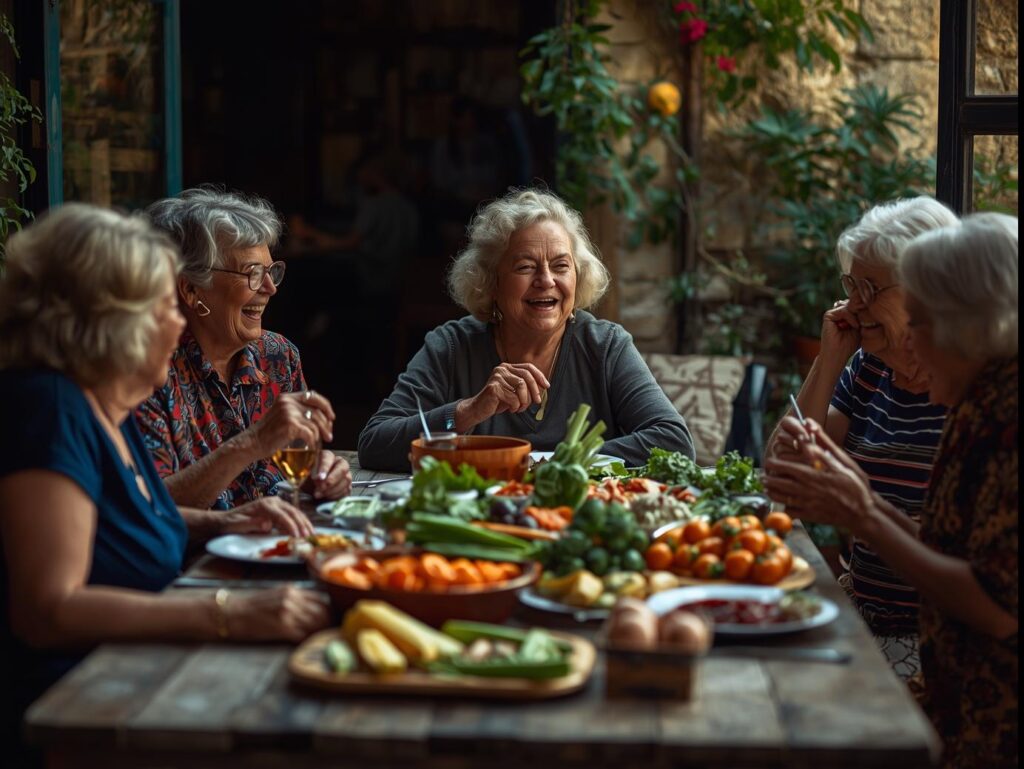
One of the most striking wellness habits from the world’s Blue Zones for longevity is the way people eat. Across Okinawa, Nicoya, Sardinia, Ikaria, and Loma Linda, meals are centered around plants—colorful vegetables, hearty legumes, whole grains, fruits, nuts, and seeds. Animal products are not eliminated, but they are consumed sparingly, often reserved for special occasions. This plant-forward approach fuels the body with nutrients while keeping calories moderate and balanced.
In Okinawa, for example, sweet potatoes, tofu, and green leafy vegetables form the foundation of daily meals, while fish or pork appear only in small amounts. In Nicoya, corn, beans, and squash—the traditional “three sisters”—remain staples, providing protein, fiber, and a steady source of energy. In Loma Linda, many Adventists follow a vegetarian or mostly plant-based diet, rich in beans, nuts, and soy foods. Despite cultural differences, these communities share a common truth: a diet grounded in plants supports vitality, lowers inflammation, and protects against chronic disease.
For middle-aged women, this way of eating is particularly powerful. Hormonal changes during midlife can affect metabolism, bone health, and heart health. Plant-based meals provide essential vitamins, minerals, antioxidants, and fiber, all of which nurture the body during these transitions. And unlike restrictive diets, the Blue Zone approach to food is joyful—meals are savored slowly, shared with others, and prepared in simple, nourishing ways.
Here’s a helpful comparison to see how the Blue Zone style of eating differs from the standard Western diet:
| Blue Zone Diet | Standard Western Diet |
|---|---|
| Primarily plant-based (beans, vegetables, grains, nuts) | High in animal protein, refined carbs, and processed foods |
| Meat eaten occasionally, in small portions | Meat consumed daily, often in large portions |
| Meals enjoyed slowly, socially, and with gratitude | Meals often rushed, eaten alone, or on the go |
| Seasonal, local, and home-cooked foods | Packaged, fast foods, and convenience meals |
| Natural sugars from fruits and honey | High consumption of refined sugars and desserts |
Adopting even a few of these eating patterns can make a significant difference in health and energy. You don’t have to switch overnight—instead, you can begin by adding an extra serving of vegetables to dinner, experimenting with hearty bean stews, or choosing nuts over packaged snacks. Over time, these small changes add up to a lifestyle that nourishes body, mind, and spirit.
The Power of Daily Movement
In every Blue Zone, movement isn’t something people carve out time for—it’s woven naturally into their daily routines. Instead of structured workouts or expensive gym memberships, longevity is supported by the kind of activity that happens without effort: walking to visit a neighbor, tending to a garden, herding goats, or kneading bread by hand. These gentle yet consistent forms of exercise keep the body strong, flexible, and energized well into old age.
Consider the shepherds of Sardinia, who walk steep hillsides every day as part of their work. Or the women of Okinawa, who spend hours cultivating their gardens and preparing meals from scratch. In Nicoya, it’s not uncommon for elders in their 80s or 90s to chop wood, carry water, or bike into town. These examples show that wellness habits from the world’s Blue Zones for longevity aren’t about high intensity—they’re about steady, life-long movement.
For women navigating midlife, this lesson is particularly liberating. You don’t need to push your body to exhaustion to maintain health and vitality. What matters most is consistency. A daily walk, stretching while listening to music, or choosing the stairs instead of the elevator can be just as impactful over time as formal workouts. By making movement enjoyable and purposeful, it becomes something to look forward to rather than a task on your to-do list.
Here are a few simple ways you can bring Blue Zone-style movement into your own routine:
- Walk or bike for short errands instead of driving.
- Spend time gardening—digging, planting, watering, and harvesting all count as natural exercise.
- Do light chores around the home with intention (sweeping, cooking, lifting groceries).
- Make social movement part of your day—invite a friend for a walk instead of coffee.
- Practice gentle stretching or yoga in the morning to wake up the body.
When you shift your mindset from “exercise” to “natural movement,” everything changes. Instead of viewing physical activity as a separate category, it becomes part of life’s rhythm. This is the secret to why Blue Zone residents stay active—and healthy—for decades without ever stepping foot in a gym.
Community & Connection: The Heart of Longevity
If food nourishes the body and movement keeps it strong, then connection is what sustains the heart and soul. In every Blue Zone, community and relationships are central to a long, healthy life. Elders are not isolated—they are cherished, respected, and actively engaged in daily life. This sense of belonging and support is one of the most powerful wellness habits from the world’s Blue Zones for longevity.
In Okinawa, social circles called moai are formed early in life. These small groups of friends commit to supporting one another emotionally, socially, and even financially when needed. Members gather often, share meals, and check in on each other’s well-being. In Sardinia, family bonds are deeply valued, with multiple generations often living under the same roof. This closeness provides emotional comfort, practical help, and a sense of purpose for both the young and the old.
Contrast this with many modern societies, where loneliness and social isolation are increasingly common—especially in midlife. Research shows that chronic loneliness can be as harmful to health as smoking or obesity, raising risks for heart disease, depression, and cognitive decline. Blue Zones show us another way: wellness is not just an individual pursuit, but something nurtured within community.
For women in midlife, cultivating strong relationships can be a powerful step toward resilience and vitality. It might mean joining a local group, reconnecting with old friends, volunteering, or simply prioritizing time with loved ones. Social wellness isn’t about having hundreds of acquaintances—it’s about creating a circle of trust, joy, and mutual care.
When you invest in community, you invest in longevity. Sharing laughter, stories, meals, and even struggles strengthens not only emotional well-being but also physical health. In the end, connection may be one of the most nourishing forms of medicine we have.
Stress Reduction Rituals from the Blue Zones
Even in the most peaceful communities, stress is part of being human. The difference in the Blue Zones is how people respond to it. Instead of letting stress accumulate, they have daily rituals and cultural habits that release tension, restore balance, and calm the nervous system. These practices may seem simple, but they are powerful tools for protecting long-term health.
In Ikaria, Greece, the afternoon nap is a cherished tradition. Resting during the hottest hours of the day not only supports physical health but also lowers stress hormones and reduces the risk of heart disease. In Sardinia, Italy, laughter, music, and a glass of red wine shared with friends create moments of joy that melt away tension. Okinawans practice ancestor worship and spiritual rituals that provide perspective and grounding during life’s challenges. Each of these practices reflects a deep understanding: stress will come, but it doesn’t have to stay.
Science confirms what Blue Zone elders already know. Chronic stress accelerates aging, weakens immunity, and increases the risk of chronic disease. On the other hand, daily rituals that allow us to reset—whether it’s pausing to breathe deeply, taking a walk in nature, or connecting with loved ones—help the body return to a state of balance. This is one of the most valuable wellness habits from the world’s Blue Zones for longevity.
Here are a few stress-relief habits inspired by the Blue Zones that you can try today:
- Take a short afternoon rest, even if it’s just closing your eyes for 15 minutes.
- Create a daily gratitude ritual—write down three things you’re thankful for each evening.
- Practice slow, mindful breathing or meditation to release tension.
- Share laughter—watch a funny movie, call a friend, or join a group activity.
- Spend time in nature, even a quick walk in the park can lower stress levels.
The lesson is simple yet profound: stress itself isn’t the enemy; it’s our response to it that shapes our health and longevity. By adopting even one of these gentle rituals, you create space for calm, resilience, and renewal in your everyday life.
Purpose and Meaning in Everyday Life
One of the most profound discoveries in Blue Zone research is that the people who live the longest also live with a strong sense of purpose. Whether it’s raising grandchildren, tending a garden, caring for neighbors, or contributing to their community, they wake up each day with a reason to get out of bed. This deep sense of direction is considered just as important to longevity as food and exercise.
In Okinawa, Japan, this idea is beautifully captured in the word ikigai, which translates to “a reason for being.” It reflects the joy and fulfillment that comes from doing something meaningful, no matter how small. Similarly, in Nicoya, Costa Rica, people embrace plan de vida, or “life plan,” a guiding vision that keeps them motivated and resilient through life’s challenges. These cultural practices remind us that meaning doesn’t have to come from grand achievements—it often grows from everyday responsibilities and connections.
Modern science supports this wisdom. Studies show that people with a strong sense of purpose tend to have lower stress levels, better heart health, and even longer lifespans. Purpose can serve as a protective buffer, helping individuals bounce back more quickly from setbacks. In other words, living with intention strengthens both mind and body.
For women in midlife, this lesson is especially powerful. Many find themselves in transition—children may be leaving home, careers may shift, or new health challenges may arise. Embracing purpose during this season can transform it from a time of uncertainty into one of renewal. It might mean mentoring younger women, deepening a spiritual practice, or pursuing a passion that was once set aside.
Among the wellness habits from the world’s Blue Zones for longevity, cultivating purpose may be the most inspiring of all. Because when we live with meaning, we don’t just add years to life—we add life to years.
The Role of Faith and Spiritual Practice
Another common thread among the Blue Zones is the role of spirituality and faith. While the specific traditions vary—from Christianity in Loma Linda to ancestor rituals in Okinawa—these practices create a sense of grounding, belonging, and hope. For many centenarians, faith is not just about religion—it’s about cultivating peace, resilience, and meaning through daily rituals.
In Loma Linda, California, the Seventh-day Adventist community is well-known for its remarkable longevity. Their faith encourages a plant-based diet, weekly Sabbath rest, and strong community bonds. By aligning lifestyle choices with spiritual values, they naturally create patterns that promote health and well-being. In Ikaria, Greece, attending church services and observing religious festivals are not only spiritual practices but also opportunities for social connection and celebration.
What unites these communities is not the specific doctrine, but the way faith provides a framework for life. Regular spiritual practices—whether prayer, meditation, chanting, or quiet reflection—help reduce stress, nurture emotional health, and reinforce a sense of purpose. Modern research agrees: people who regularly engage in spiritual or faith-based practices often report lower levels of anxiety, stronger immune systems, and greater life satisfaction.
For women seeking holistic health, integrating spiritual practices can be a deeply nourishing habit. This doesn’t mean adopting a new religion or following rigid rituals. Instead, it’s about finding what resonates with your heart—whether that’s prayer, yoga, gratitude journaling, or simply taking a mindful walk in nature. These small practices create a pause in the busyness of life, allowing space for inner calm and renewal.
Among the wellness habits from the world’s Blue Zones for longevity, faith reminds us that true well-being is not only physical but also spiritual. Nurturing the soul may be just as important as nourishing the body.
Moderation and Joyful Eating
When it comes to food, the people of the Blue Zones share a simple but powerful philosophy: eat with moderation and joy. Instead of strict diets or endless calorie counting, meals are guided by tradition, mindfulness, and community. This balance allows them to enjoy food while avoiding overindulgence—a practice that has a profound impact on longevity.
In Okinawa, Japan, there’s a cultural practice called Hara Hachi Bu, which means eating until you’re about 80% full. This gentle approach helps prevent overeating, supports digestion, and reduces the risk of obesity and related diseases. In Sardinia and Ikaria, meals are often accompanied by a glass of red wine, enjoyed slowly in the company of friends and family. Rather than drinking excessively, they savor small amounts in a way that enhances social connection and relaxation.
What makes this habit so powerful is the joy tied to eating. Food isn’t rushed or consumed in isolation; it’s an event—a time to connect, celebrate, and nourish both body and spirit. Even desserts and special treats are enjoyed without guilt, but in moderation. Contrast this with many modern eating patterns, where meals are often hurried, processed, or consumed mindlessly in front of screens.
Here’s a quick look at the difference:
| Blue Zone Habits | Restrictive Dieting Habits |
|---|---|
| Eat until 80% full (Hara Hachi Bu) | Strict portion control or calorie counting |
| Small, daily indulgences (like wine, honey, or bread) | Complete elimination of favorite foods |
| Meals enjoyed slowly and socially | Meals eaten quickly, often alone |
| Focus on balance, not restriction | Focus on “rules” and “cheat days” |
| Food as nourishment and pleasure | Food as a source of stress or guilt |
For women in midlife, adopting this approach can be life-changing. Instead of cycling through restrictive diets, moderation and mindful eating create freedom and sustainability. By enjoying meals with gratitude and presence, you not only nourish your body but also cultivate joy—something just as vital for long-term health.
Among the wellness habits from the world’s Blue Zones for longevity, this one may be the most delicious: eat well, but do so with intention and happiness.
Sleep, Rest, and Natural Rhythms
In today’s fast-paced world, sleep is often treated like a luxury, squeezed in between endless to-do lists. But in the Blue Zones, rest is honored as a vital part of wellness. People who live the longest don’t just focus on diet and movement—they also prioritize natural rhythms of sleep and rest that allow the body to repair, reset, and thrive.
In Ikaria, Greece, afternoon naps are a cultural norm. These short periods of rest reduce stress, lower the risk of heart disease, and keep energy levels steady throughout the day. In Okinawa, people tend to rise with the sun and wind down naturally in the evening, aligning their schedules with the body’s circadian rhythm. In Sardinia, evenings are often spent sharing meals and conversation with family, followed by restful, unhurried sleep.
Modern research supports these practices. Poor sleep is linked to weakened immunity, weight gain, mood disorders, and even shortened lifespan. On the other hand, consistent, quality rest enhances memory, emotional balance, and physical health. This makes sleep one of the most underrated yet essential wellness habits from the world’s Blue Zones for longevity.
Here are a few simple ways to bring Blue Zone-inspired rest into your daily life:
- Create a natural sleep rhythm by going to bed and waking up at the same time each day.
- Embrace short rests—a 20-minute nap can recharge your energy without disrupting nighttime sleep.
- Unplug before bed by reducing screen time and creating a calming evening ritual.
- Honor the body’s signals—listen when you’re tired instead of pushing through.
- Make rest joyful—treat it as sacred time for your well-being, not wasted time.
For women in midlife, sleep is often disrupted by hormonal changes, stress, or busy schedules. By gently prioritizing rest and aligning with natural rhythms, you can support both your health and your sense of balance. Remember: longevity isn’t about doing more—it’s about giving your body the time and space it needs to heal.

Blue Zone-Inspired Habits You Can Adopt Today
The wisdom of the Blue Zones isn’t locked away in faraway lands—it can be woven into your daily life, no matter where you live. These small, intentional shifts can transform your health, mindset, and joy over time. Think of them not as rules, but as gentle invitations to live with more balance and harmony.
Here are some simple wellness habits from the world’s Blue Zones for longevity that you can start today:
- Move naturally. Take the stairs, garden, stretch, or walk after meals. No gym required—just find joy in everyday movement.
- Practice mindful eating. Try eating until you’re 80% full, and savor your meals slowly, without screens or distractions.
- Prioritize plants. Add more beans, vegetables, and whole grains to your plate. Treat meat as a side dish, not the star.
- Make rest sacred. Build a calming bedtime ritual, or allow yourself a short nap during the day if you need it.
- Find your purpose. Reflect on what brings you joy and meaning—then create space for it in your life.
- Strengthen social ties. Spend time with supportive friends and family, even if it’s a simple weekly meal or phone call.
- Embrace gratitude or prayer. Start or end your day with a moment of reflection, meditation, or journaling.
- Enjoy small indulgences. Have a glass of wine with dinner, a piece of dark chocolate, or a special treat—mindfully and without guilt.
- Connect with nature. Walk outside, garden, or simply sit in the sunshine. Fresh air and natural light reset your mood and body clock.
- Celebrate together. Share meals, laugh, sing, or dance with others. Joy is a vital ingredient for long life.
The beauty of these habits lies in their simplicity. They don’t require expensive equipment, drastic diets, or overwhelming routines. Instead, they invite you to live with presence and intention—just as the centenarians of the Blue Zones do every day.
If you’re not sure where to start, choose one or two habits that resonate most with you. Over time, these small changes can ripple into a lifestyle of vitality, resilience, and joy.
Conclusion: Bringing Blue Zone Wisdom into Your Wellness Journey
The Blue Zones reveal something profound: longevity is not about chasing the latest superfood, extreme workout, or quick-fix diet. Instead, it’s about living with balance, connection, and joy. The wellness habits from the world’s Blue Zones for longevity are simple yet transformative—centered on whole foods, natural movement, community, purpose, and rest.
For women in midlife, these lessons are especially powerful. This stage of life often brings change—whether in health, family, or personal direction. By leaning into Blue Zone wisdom, you can transform these transitions into opportunities for growth and renewal. Imagine meals filled with vibrant plants, daily movement that feels natural, friendships that nourish your soul, and mornings guided by purpose. These are not just habits for long life—they are habits for a good life.
You don’t need to live in Sardinia or Okinawa to benefit. Start by choosing one or two practices that inspire you, like eating until you’re 80% full, enjoying a restful afternoon nap, or creating space for a spiritual practice. Over time, these small, intentional steps add up to powerful shifts in health and happiness.
At Wellness Tune, we believe your wellness journey is deeply personal but never solitary. By embracing timeless practices from the world’s longest-living cultures, you can write your own story of vitality and joy—one that honors both body and soul.
Because in the end, true longevity isn’t just about adding years to your life. It’s about adding life, love, and meaning to your years.
Frequently Asked Questions (FAQ)
1. What are the Blue Zones?
The Blue Zones are five regions in the world—Okinawa (Japan), Sardinia (Italy), Ikaria (Greece), Nicoya (Costa Rica), and Loma Linda (California, USA)—where people live significantly longer and healthier lives than average. Researchers discovered that their lifestyle habits, diet, and community connections contribute to their longevity.
2. What is the most important wellness habit from the Blue Zones?
There isn’t just one. Longevity in the Blue Zones comes from a combination of habits: plant-rich diets, natural movement, strong social ties, purposeful living, and adequate rest. However, many experts highlight purpose and community as especially powerful influences.
3. Can I adopt Blue Zone habits without changing my entire lifestyle?
Yes! You don’t need to uproot your life. Start small—add more plants to your meals, walk daily, eat until you’re 80% full, or spend time with friends. Even adopting one or two habits can have a meaningful impact on your well-being.
4. Do I have to be vegetarian to follow Blue Zone eating habits?
Not at all. While many Blue Zone diets are mostly plant-based, they still include small portions of animal foods like fish, cheese, or meat. The focus is on plants, beans, and whole foods, but flexibility is part of the balance.
5. How can Blue Zone practices support women over 40?
For women in midlife, these habits help ease transitions in health, energy, and purpose. Plant-rich meals support hormonal balance, daily movement maintains strength and mobility, and community bonds reduce stress and loneliness. Purposeful living also adds motivation and joy during life’s changes.
6. Is wine really part of Blue Zone longevity?
In Sardinia and Ikaria, moderate red wine consumption (usually 1–2 small glasses with meals) is common. However, it’s always enjoyed socially and mindfully. If you don’t drink, you don’t need to start. The underlying habit is moderation and joy, not alcohol itself.
7. How does stress management fit into Blue Zone living?
Stress exists everywhere, but Blue Zone communities manage it through rituals like prayer, meditation, naps, or connecting with loved ones. These daily practices help lower cortisol and promote emotional resilience.
8. Can I still benefit from Blue Zone habits if I live in a busy city?
Absolutely. Even in urban environments, you can integrate Blue Zone wisdom: walk or bike for errands, cook simple plant-based meals, build strong friendships, and carve out space for rest and reflection. It’s about mindset and daily choices, not geography.
9. How quickly can I see results from adopting these habits?
Some benefits, like improved energy or better digestion, may appear within weeks. Others, like reduced risk of chronic disease, build over months and years. Longevity is about the long game—consistency matters more than speed.
10. Where can I learn more about holistic health practices like this?
You can explore more free resources and courses on holistic health and wellness at Wellness Tune.





Responses