
5-Minute Breathing Exercises to Calm Anxiety


Table of Contents
Introduction: Finding Calm in Just 5 Minutes
In today’s fast-paced world, anxiety often sneaks in quietly but relentlessly, affecting our mental clarity, sleep, and overall wellness. For midlife women juggling multiple responsibilities—from careers to family to personal growth—finding moments of calm can feel impossible. But here’s the good news: you don’t need hours of meditation or elaborate routines to reduce stress. Even 5 minutes of focused breathing exercises can help you regain balance, calm your mind, and reconnect with your inner peace.
“Sometimes the most profound changes come in the simplest of practices.”
Why 5-Minute Breathing Exercises Work
Short, mindful breathing exercises engage the parasympathetic nervous system, signaling your body to relax. This simple act:
- Reduces cortisol, the stress hormone
- Slows heart rate and improves circulation
- Enhances mental clarity and focus
- Helps you recenter your emotions, even during busy days
Who This Is For
Whether you’re a busy professional, a mother, or someone seeking natural stress relief, these 5-minute exercises are designed to be:
- Quick enough to fit into any schedule
- Gentle and safe for all fitness levels
- Effective in calming both physical tension and mental chatter
Pro Tip:
Set a daily timer or reminder for your breathing exercises. Even a small routine consistently practiced each day can create long-term changes in how your body and mind respond to stress.
By the end of this guide, you’ll have a collection of simple, effective breathing techniques you can use anytime, anywhere. You’ll also learn how to integrate these exercises into your daily life for lasting calm and resilience.
For a more structured path to managing stress and anxiety, you can explore our full course: Calm Within Chaos: A Woman’s Path to Mindful Stress Relief.
How Breathing Affects Anxiety
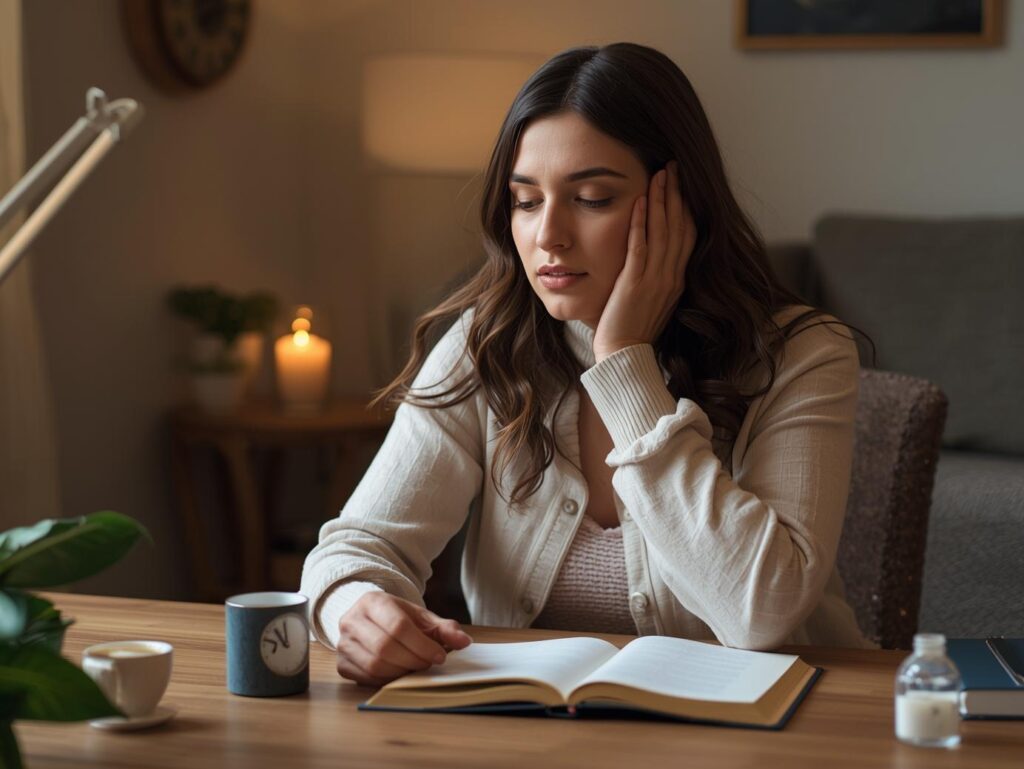
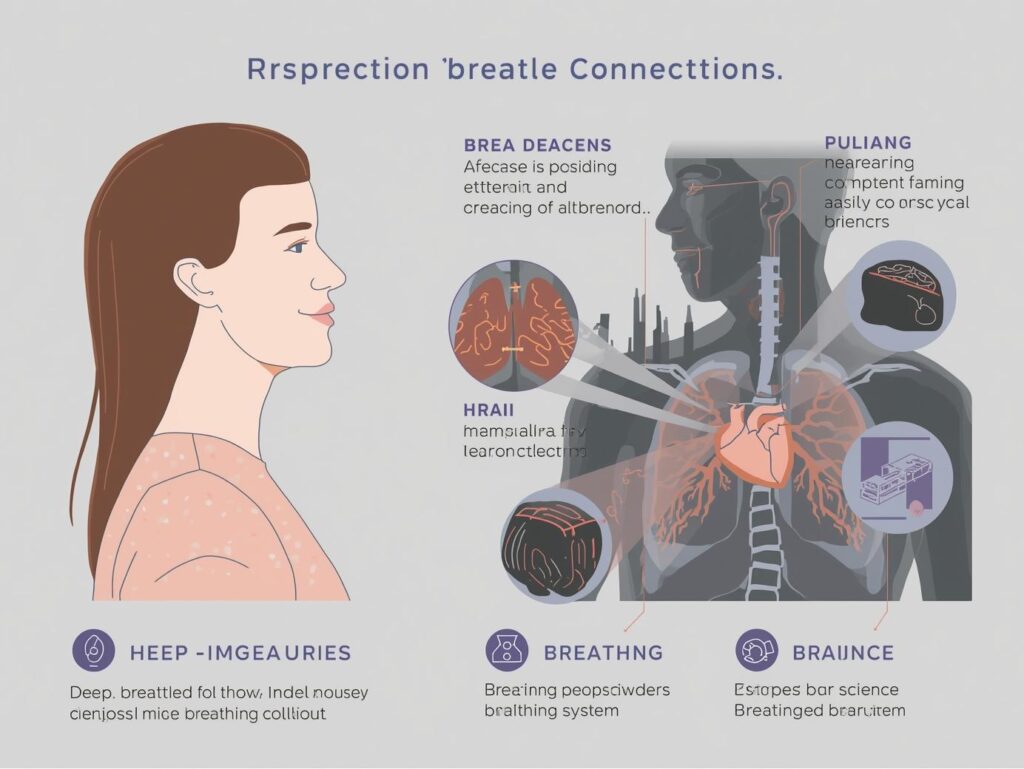
Breathing is more than a biological necessity — it’s a powerful tool for regulating your nervous system and managing stress. When anxiety strikes, our breath often becomes shallow and rapid, signaling the body to stay in “fight-or-flight” mode. This can increase heart rate, elevate cortisol levels, and make it difficult to think clearly. By practicing conscious breathing, you can interrupt this cycle and create a state of calm.
How Controlled Breathing Calms the Body
- Activates the Parasympathetic Nervous System
- Slow, deep breaths trigger the body’s “rest and digest” response, lowering heart rate and blood pressure.
- Reduces Cortisol Levels
- Mindful breathing decreases stress hormones, helping you feel more relaxed and focused.
- Improves Oxygen Flow to the Brain
- Proper breathing ensures your brain gets more oxygen, enhancing clarity and reducing anxious thoughts.
- Promotes Emotional Regulation
- Focusing on your breath shifts attention away from stressors, reducing rumination and emotional reactivity.
Why 5 Minutes Makes a Difference
Even a short, consistent practice — just five minutes — can reset your nervous system. These micro-practices are easy to integrate into your day, whether during a work break, before bedtime, or in the midst of a stressful situation. Over time, daily 5-minute sessions strengthen your resilience to anxiety, making it easier to respond calmly when life feels overwhelming.
External Link Suggestion:
- For more on the science of breathwork, see Harvard Health – Breathing Exercises for Stress
Internal Link Placement:
- Encourage readers to explore guided breathwork practices at wellnesstune courses.
Preparing for Your 5-Minute Breathing Practice
Before diving into the techniques, setting the stage for your 5-minute breathing session is essential. A few intentional steps can maximize the effectiveness of your practice and help you fully experience calm.
Step 1: Choose Your Environment
- Find a quiet space where you won’t be interrupted. It could be a corner of your room, a balcony, or even a parked car during a short break.
- If complete silence isn’t possible, consider soft background music or nature sounds.
Step 2: Settle Into Comfortable Posture
- Sit or lie down in a position that allows your spine to remain straight but relaxed.
- Rest your hands on your lap or knees, and let your shoulders drop naturally.
- Comfort is key — slouching or tension can interfere with your breathing rhythm.
Step 3: Focus Your Mind
- Close your eyes or soften your gaze to minimize distractions.
- Take a moment to notice your current emotional state without judgment.
- Mentally commit to dedicating these five minutes solely to yourself.
Step 4: Gather Any Supporting Tools (Optional)
- A timer or meditation app can help track five minutes without looking at the clock.
- A cushion or chair can enhance comfort, especially if you’re practicing seated breathwork.
Step 5: Set an Intention
- Begin with a simple intention like: “I am giving myself these five minutes to reset and breathe.”
- Intentions help anchor your mind and make the practice more meaningful.
Bullet Points: Benefits of Proper Preparation
- Reduces distractions and mental chatter
- Enhances focus and mindfulness
- Promotes deeper, more effective breathing
- Supports consistent habit formation
Internal Link Placement:
- Encourage readers to explore more mindful practices on wellnesstune blog
- Link to guided breathwork in Calm Within Chaos course
Technique 1: Box Breathing
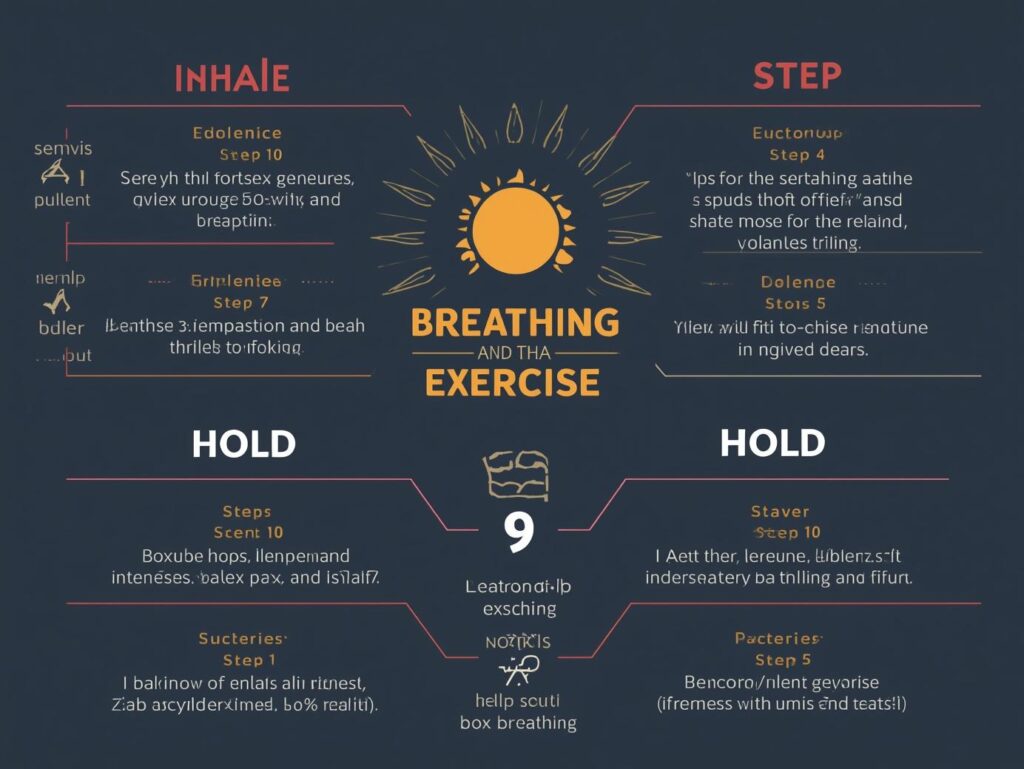
Box Breathing, also known as square breathing, is a simple yet powerful technique that helps regulate the nervous system and restore calm within minutes. It’s widely used by wellness experts, therapists, and even high-performance professionals to manage stress.
How to Do Box Breathing
- Inhale slowly through your nose for a count of 4.
- Hold your breath for a count of 4.
- Exhale gently through your mouth for a count of 4.
- Hold your breath again for a count of 4.
- Repeat the cycle for 5 minutes, focusing on the rhythm of your breath.
Benefits of Box Breathing
- Activates the parasympathetic nervous system for relaxation
- Reduces stress and anxiety by slowing the heart rate
- Enhances focus and mental clarity
- Improves emotional regulation and resilience
Tips for Maximum Effect
- Visualize tracing a square as you inhale, hold, exhale, and hold.
- Keep shoulders relaxed and avoid tensing your jaw.
- If 4 counts feel challenging, start with 3 counts and gradually increase.
- Combine with gentle shoulder rolls or grounding exercises for extra relaxation.
Comparison Table Example (Optional)
| Technique | Duration | Difficulty | Primary Benefit |
|---|---|---|---|
| Box Breathing | 5 minutes | Easy | Nervous system regulation |
| 4-7-8 Breathing | 5 minutes | Medium | Reduces anxiety and stress |
| Diaphragmatic | 5 minutes | Easy | Improves oxygen flow & calm |
Internal Link Placement:
- Encourage readers to explore more breathwork techniques on wellnesstune blog
- Suggest guided practice via Calm Within Chaos course
Technique 2: 4-7-8 Breathing
The 4-7-8 Breathing technique, popularized by Dr. Andrew Weil, is a powerful tool for calming the mind and easing anxiety. It’s especially effective before bedtime or during moments of acute stress, helping you slow your heart rate and relax deeply.
How to Do 4-7-8 Breathing
- Inhale gently through your nose for a count of 4.
- Hold your breath for a count of 7.
- Exhale slowly and completely through your mouth for a count of 8.
- Repeat this cycle 4–5 times, or for a full 5-minute session.
Benefits of 4-7-8 Breathing
- Helps reduce anxiety and tension within minutes
- Promotes relaxation and better sleep
- Slows down heart rate and balances the nervous system
- Encourages a sense of mindful presence
Tips for Effective Practice
- Practice in a comfortable seated or lying position.
- Keep your exhalation smooth and controlled; avoid forceful breathing.
- If you feel lightheaded, reduce the count proportionally (e.g., 3-4-5) until comfortable.
- Pair with gentle meditation or visualization to deepen calm.
Internal Link Placement:
- Learn more quick stress-relief techniques on wellnesstune blog
- Access guided exercises via Calm Within Chaos course
Optional Note:
This technique is highly effective for busy women seeking rapid relief from racing thoughts or work-related stress. Even practicing once or twice a day can improve emotional resilience over time.
Technique 3: Diaphragmatic Breathing
Diaphragmatic breathing, also known as deep belly breathing, focuses on engaging the diaphragm to maximize oxygen intake. This technique is excellent for reducing stress, improving lung capacity, and calming the mind.
How to Do Diaphragmatic Breathing
- Sit or lie down in a comfortable position with a straight spine.
- Place one hand on your chest and the other on your abdomen.
- Inhale deeply through your nose, feeling your abdomen rise while your chest remains relatively still.
- Exhale slowly through your mouth, letting your abdomen fall naturally.
- Repeat this process for 5 minutes, maintaining slow, steady breaths.
Benefits of Diaphragmatic Breathing
- Activates the parasympathetic nervous system, reducing stress
- Improves oxygen exchange, promoting clarity and focus
- Reduces muscle tension in the shoulders and neck
- Encourages emotional regulation and a sense of inner calm
Tips for Maximum Effect
- Focus on the rise and fall of your belly rather than your chest.
- Keep shoulders relaxed and avoid tensing the jaw.
- Practice this technique first thing in the morning or before bedtime for consistent benefits.
- Combine with gentle stretching or meditation for enhanced relaxation.
Comparison Table :
| Technique | Duration | Difficulty | Primary Benefit |
|---|---|---|---|
| Diaphragmatic Breathing | 5 minutes | Easy | Deep relaxation & oxygen flow |
| Box Breathing | 5 minutes | Easy | Nervous system regulation |
| 4-7-8 Breathing | 5 minutes | Medium | Anxiety reduction & sleep aid |
Internal Link Placement:
- Explore more mindful breathing techniques on wellnesstune blog
- Try guided diaphragmatic exercises in Calm Within Chaos course
Technique 4: Alternate Nostril Breathing
Alternate Nostril Breathing, or Nadi Shodhana, is a yogic practice that balances the body and mind. This technique is especially effective for reducing anxiety, promoting mental clarity, and restoring emotional equilibrium.
How to Do Alternate Nostril Breathing
- Sit comfortably with your spine straight and shoulders relaxed.
- Use your right thumb to close your right nostril.
- Inhale slowly through your left nostril for a count of 4–6.
- Close your left nostril with your right ring finger, then exhale through the right nostril.
- Inhale through the right nostril, then switch and exhale through the left.
- Continue this alternate pattern for 5 minutes, focusing on smooth, even breaths.
Benefits of Alternate Nostril Breathing
- Balances the left and right hemispheres of the brain
- Reduces stress and anxiety by calming the nervous system
- Improves focus and concentration
- Promotes emotional stability and inner calm
Tips for Effective Practice
- Keep your breaths slow and steady; avoid forcing the exhale.
- Maintain relaxed shoulders and an upright posture.
- Pair with mindful visualization to deepen relaxation.
- Best practiced in the morning or during a stressful moment for instant grounding.
Internal Link Placement:
- Discover more holistic breathing exercises on wellnesstune blog
- Access guided alternate nostril breathing in Calm Within Chaos course
Optional Note:
Alternate Nostril Breathing is highly recommended for women experiencing mental fatigue or emotional overwhelm, as it creates balance and clarity in just a few minutes.
Technique 5: Mindful Counting Breath
Mindful Counting Breath is a simple yet effective technique that combines breath awareness with mental focus. It helps quiet racing thoughts, reduces anxiety, and cultivates mindfulness in just a few minutes.
How to Do Mindful Counting Breath
- Sit comfortably with your back straight and shoulders relaxed.
- Close your eyes and take a deep, slow breath in through your nose.
- Exhale gently through your mouth.
- Begin counting each inhale and exhale silently:
- Inhale 1, exhale 1
- Inhale 2, exhale 2
- Continue up to 5 or 10, then start again from 1
- Maintain a steady, gentle rhythm for 5 minutes.
Benefits of Mindful Counting Breath
- Reduces mental chatter and racing thoughts
- Enhances focus and present-moment awareness
- Lowers stress and anxiety by calming the nervous system
- Encourages mind-body connection for emotional regulation
Tips for Maximum Effect
- If your mind wanders, gently return focus to counting.
- Keep your breathing slow and even; avoid shallow or forced breaths.
- Pair with a relaxing mantra or visualization to deepen calm.
- Practice consistently to develop a daily mindfulness habit.
Internal Link Placement:
- Learn more mindfulness techniques on wellnesstune blog
- Try guided counting breath exercises via Calm Within Chaos course
Optional Note:
This technique is perfect for busy women on the go, as it can be practiced anywhere — at your desk, in the car, or even standing in line — creating calm within minutes.
Technique 6: Resonance Breathing
Resonance Breathing, also called coherent breathing, focuses on slowing your breath to create a natural rhythm that resonates with your heart rate. This technique is highly effective for reducing anxiety, balancing the nervous system, and promoting emotional calm.
How to Do Resonance Breathing
- Sit or lie down comfortably with a straight spine.
- Inhale slowly through your nose for a count of 5–6 seconds.
- Exhale gently through your nose for the same count.
- Maintain a steady, even rhythm of inhaling and exhaling.
- Continue for 5 minutes, focusing on the smoothness of each breath.
Benefits of Resonance Breathing
- Promotes heart rate variability (HRV), a marker of relaxation and resilience
- Reduces stress and anxiety by calming the nervous system
- Improves focus and clarity by enhancing oxygen flow
- Encourages a deep sense of inner calm and balance
Tips for Effective Practice
- Keep your breathing gentle and effortless; avoid forcing the breath.
- Focus on the sensation of air moving in and out to anchor your attention.
- Pair with light meditation or visualization for enhanced relaxation.
- Practice daily for consistent emotional and physiological benefits.
Internal Link Placement:
- Explore more resonance breathing exercises on wellnesstune blog
- Guided resonance breathing available in Calm Within Chaos course
Optional Note:
Resonance breathing is ideal for women who want a simple, rhythmic technique that can be integrated into their morning routine, work breaks, or evening wind-down.
Technique 7: Ocean or Ujjayi Breath
Ocean Breath, also known as Ujjayi Pranayama, is a yogic breathing technique characterized by a soft, whispering sound during exhalation. This practice is soothing, grounding, and effective for calming anxiety, improving focus, and enhancing mindfulness.
How to Do Ocean or Ujjayi Breath
- Sit comfortably with your spine straight and shoulders relaxed.
- Inhale deeply through your nose, filling your lungs completely.
- Slightly constrict the back of your throat and exhale slowly through your nose, producing a gentle “ocean” sound.
- Maintain a steady, rhythmic flow of breath.
- Continue this practice for 5 minutes, focusing on the sound and sensation of each breath.
Benefits of Ocean Breath
- Reduces stress and anxiety by engaging the parasympathetic nervous system
- Enhances mindfulness and concentration
- Promotes emotional stability and relaxation
- Improves respiratory function and lung capacity
Tips for Maximum Effect
- Keep your throat slightly constricted; the sound should be soft, not forced.
- Maintain a slow, steady rhythm for both inhalation and exhalation.
- Close your eyes and visualize waves or calming water to deepen relaxation.
- Practice daily, especially during moments of stress or mental fatigue.
Internal Link Placement:
- Learn more calming breathwork techniques on wellnesstune blog
- Guided Ujjayi breath exercises available in Calm Within Chaos course
Optional Note:
Ocean Breath is ideal for women who enjoy mindful, sensory-focused practices, combining gentle sound with controlled breathing for rapid stress relief.
Technique 8: Progressive Muscle & Breath
Progressive Muscle & Breath combines deep breathing with gentle muscle relaxation, helping release tension stored in the body while calming the mind. This technique is especially helpful for women experiencing stress-related muscle tightness, headaches, or insomnia.
How to Do Progressive Muscle & Breath
- Sit or lie down comfortably with your spine straight.
- Take a deep inhale through your nose and tense one muscle group (e.g., shoulders, fists, legs) for 3–5 seconds.
- Exhale slowly through your mouth, releasing the tension completely.
- Move systematically through different muscle groups:
- Hands and arms
- Shoulders and neck
- Face and jaw
- Legs and feet
- Continue for 5 minutes, maintaining slow, deep breathing throughout.
Benefits of Progressive Muscle & Breath
- Reduces physical tension and chronic stress
- Enhances mind-body awareness
- Improves sleep quality by promoting relaxation
- Reduces anxiety and racing thoughts
Tips for Effective Practice
- Focus on the contrast between tension and release for greater mindfulness.
- Keep your breath slow and synchronized with each muscle contraction and release.
- Avoid straining; tension should be gentle, not painful.
- Practice daily or whenever you notice stress-related tension in your body.
Internal Link Placement:
- Explore more combined breath and relaxation techniques on wellnesstune blog
- Access guided progressive muscle exercises in Calm Within Chaos course
Optional Note:
This technique is perfect for women who want a full-body relaxation experience, integrating both breath and gentle tension release to feel grounded and calm quickly.
Technique 9: Guided Visualization with Breath
Guided Visualization with Breath combines breathing exercises with mental imagery to create a deep sense of calm and relaxation. This technique is especially effective for women who want to escape mental overwhelm and reconnect with inner peace in just a few minutes.
How to Do Guided Visualization with Breath
- Sit or lie down in a comfortable position with your spine straight.
- Close your eyes and take a few slow, deep breaths.
- Inhale fully through your nose and imagine drawing in calm, positive energy.
- Exhale slowly through your mouth, visualizing stress, tension, or worries leaving your body.
- Choose a peaceful mental image to focus on, such as:
- A calm beach
- Flowing river
- Sunlight filtering through trees
- Continue for 5 minutes, synchronizing your breath with your mental imagery.
Benefits of Guided Visualization with Breath
- Reduces mental stress and anxiety
- Enhances mindfulness and focus
- Promotes emotional resilience and positivity
- Creates a sense of mental escape without leaving your environment
Tips for Maximum Effect
- Select imagery that personally resonates with you for a deeper sense of calm.
- Keep your breathing slow, rhythmic, and relaxed.
- Combine with soft background music or nature sounds if desired.
- Practice regularly for improved mental clarity and stress management.
Internal Link Placement:
- Explore more visualization and breath techniques on wellnesstune blog
- Guided visualization sessions available in Calm Within Chaos course
Optional Note:
This technique is perfect for women who want a holistic approach to calm, combining breath, imagination, and mindfulness to create a restorative experience anytime, anywhere.
Tips for Making Daily Breathwork a Habit
Consistency is key when it comes to breathwork for anxiety relief. Practicing daily—even for just five minutes—can transform how your body and mind respond to stress. Here are practical tips to make breathwork a natural part of your routine:
1. Schedule It
- Set a specific time each day for your 5-minute practice, such as first thing in the morning, during a lunch break, or before bedtime.
- Use reminders or alarms on your phone to reinforce consistency.
2. Start Small
- Begin with one technique per day and gradually incorporate others.
- Even a single 5-minute session is beneficial and more sustainable than attempting long practices all at once.
3. Create a Dedicated Space
- Designate a quiet corner, chair, or cushion where you practice regularly.
- A consistent environment reinforces the habit and signals to your mind that it’s time to relax.
4. Pair with Daily Activities
- Combine breathwork with morning coffee, evening journaling, or gentle stretching.
- Associating the practice with an existing habit makes it easier to remember.
5. Track Your Progress
- Keep a small journal to note your daily practice and any emotional or physical changes.
- Tracking builds motivation and helps you see the benefits over time.
6. Be Patient and Gentle
- Some days may feel easier than others; that’s normal.
- Focus on progress, not perfection, and celebrate small wins.
Internal Link Placement:
- Explore more habit-building and wellness strategies on wellnesstune blog
- Reinforce your daily breathwork habit with guided sessions in Calm Within Chaos course
Key Takeaways:
- Daily consistency is more important than duration.
- Creating a supportive environment and routine encourages long-term success.
- Patience and mindfulness enhance both practice and results.
Common Mistakes to Avoid
Even the best breathing techniques can lose their effectiveness if practiced incorrectly. Being mindful of common mistakes ensures you get the maximum calming benefit from your 5-minute breathwork sessions.
1. Shallow or Rapid Breathing
- Mistake: Taking quick, shallow breaths instead of deep, controlled ones.
- Correction: Focus on slow, deep inhales and full exhales, engaging the diaphragm when possible.
2. Tensing Muscles
- Mistake: Holding tension in shoulders, jaw, or back while breathing.
- Correction: Relax your body and consciously release tension with each exhale.
3. Practicing in a Distracting Environment
- Mistake: Attempting breathwork in noisy, uncomfortable, or cluttered spaces.
- Correction: Find a quiet, comfortable spot, or use background calming music if needed.
4. Skipping the Mindful Component
- Mistake: Breathing mechanically without paying attention to rhythm or focus.
- Correction: Combine your breath with visualization, counting, or awareness to fully engage the mind-body connection.
5. Expecting Immediate Perfection
- Mistake: Getting discouraged if the practice feels difficult initially.
- Correction: Be patient and gentle with yourself; benefits increase over time with consistent practice.
6. Ignoring Posture
- Mistake: Slouching or lying awkwardly, which can restrict lung expansion.
- Correction: Maintain a straight, relaxed spine for optimal breathing efficiency.
Internal Link Placement:
- Read more tips for effective breathwork on wellnesstune blog
- Guided sessions to correct breathing mistakes are available in Calm Within Chaos course
Key Takeaways:
- Proper technique, posture, and mindfulness are essential.
- Avoid rushing; focus on quality over quantity.
- Regular practice with attention to these details maximizes results.
Conclusion: Finding Calm Anytime, Anywhere
Breathing is one of the simplest yet most powerful tools available for managing anxiety and stress. With just five minutes a day, you can restore calm, regain focus, and build resilience against life’s challenges. From Box Breathing to Guided Visualization, each technique offers unique benefits — whether you need quick stress relief at work, a mindful pause during family chaos, or preparation for restful sleep.
Consistency is key. By integrating 5-minute breathwork into your daily routine, you are training your body and mind to respond to stress with ease and balance. These practices are portable, flexible, and adaptable to your lifestyle — no special equipment required.
Remember, it’s not about perfection; it’s about presence. Each breath is an opportunity to reset your nervous system, reconnect with yourself, and find a sense of inner calm, even in the midst of chaos.
Internal Link Placement:
- Explore guided breathwork exercises and structured wellness routines in Calm Within Chaos course
- Discover more practical wellness tips on wellnesstune blog
Key Takeaways:
- Five minutes of intentional breathing can make a significant difference in stress management.
- Daily practice builds emotional resilience and inner balance.
- Breathwork is a versatile tool you can use anytime, anywhere, to find calm.





Responses