That feeling is all too familiar. You wake up with a sense of dread, a low hum of anxiety that you can’t quite pin to any specific worry. Or perhaps it’s a fog that settles over your mind, making simple decisions feel overwhelming, leaving you feeling irritable and snappish with the people you love. You might look in the mirror and tell yourself, “I’m just stressed,” or “This is just part of getting older.” But what if the source of this emotional turbulence wasn’t just in your mind? What if the answers were found in a completely different part of your body?
Welcome to the revolutionary world of the gut-brain connection—a dynamic, two-way communication system that links your emotional and cognitive centers with your digestive health. This isn’t just a metaphor for “butterflies in your stomach.” This is hard science. Your gut, often called your “second brain,” is in constant conversation with your actual brain, and the messages it sends can profoundly influence your mood, your energy levels, and your overall sense of well-being.
If you’ve been feeling off—bloated and blue, anxious and achy—and haven’t been able to figure out why, you’ve come to the right place. This guide is designed to help you decode the signals your body is sending you. We will walk through the unmistakable signs that your gut health is affecting your mood, unravel the science behind this powerful connection in simple, relatable terms, and most importantly, provide you with a compassionate, practical, and holistic pathway to find your way back to balance. You are not imagining things, and you are not alone on this journey. Your body is speaking; let’s learn how to listen.
The Conversation Within: Understanding the Gut-Brain Axis
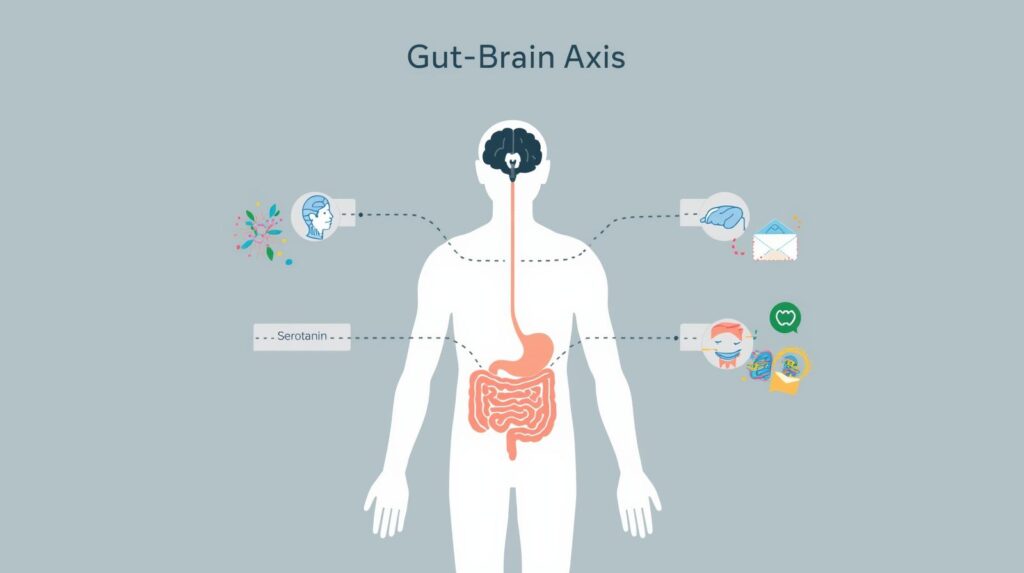
For centuries, traditional healing systems have spoken of the gut as a center of feeling and intuition. Now, modern science is catching up, revealing a complex and fascinating network known as the gut-brain axis. Think of it not as a single thread, but as a superhighway of communication, with constant, buzzing traffic between your brain and your digestive system.
This bidirectional pathway involves nerves, hormones, and immune system messengers, but the most revolutionary understanding has come from the trillions of tiny residents in your gut: your microbiome. When this communication flows smoothly, you experience vitality and emotional balance. When it’s disrupted, it can manifest in both digestive distress and mood disorders. Understanding this connection is the first, most empowering step toward healing.
Your Gut is Your Second Brain
Tucked within the walls of your digestive system lies a vast and intricate network of over 100 million nerve cells known as the enteric nervous system (ENS). This is your “second brain.” While it doesn’t compose symphonies or solve math problems, the ENS is incredibly powerful, independently managing the complex process of digestion—from breaking down food to absorbing nutrients and eliminating waste.
It’s in constant dialogue with the brain in your head via the vagus nerve, sending and receiving messages that can significantly influence your feelings and state of mind. This is why feelings of anxiety can trigger a nervous stomach, and why an upset gut can, in turn, send signals of anxiety to your brain, creating a loop that can feel impossible to break without addressing both ends of the conversation.
The Superhighway of Communication: The Vagus Nerve
The primary physical conduit for the gut-brain conversation is the vagus nerve, the longest nerve in your body. It runs from your brainstem all the way down to your colon, touching your heart and most of your major organs along the way. This nerve is the command center for your “rest and digest” parasympathetic nervous system. When it’s strong and active—or “toned”—it acts like a soothing balm, slowing your heart rate, calming your breathing, and ensuring optimal digestion.
A well-toned vagus nerve ensures that calming, anti-inflammatory messages are being sent from the gut to the brain. However, chronic stress, poor diet, and inflammation can weaken vagal tone, leading to a dominance of “fight or flight” signals, which can shut down digestion and ramp up anxiety. The health of your vagus nerve is absolutely fundamental to your emotional and gut health.
Your Microbial Messengers: The Role of Gut Bacteria
Perhaps the most astonishing part of this story is the role of your gut microbiota—the diverse community of bacteria, fungi, and viruses living in your intestines. These tiny organisms are not passive passengers; they are active players in your health. Your gut bacteria produce a vast array of neurochemicals that your brain uses to regulate mood, including an estimated 90% of your body’s serotonin (the “feel-good” hormone) and about 50% of its dopamine (the “reward” hormone).
They also produce other compounds like GABA (which calms the brain) and short-chain fatty acids that help reduce inflammation throughout the body, including the brain. When your gut microbiome is diverse and balanced, it produces these beneficial compounds in abundance. But when it’s thrown off balance—a state known as dysbiosis—it can produce more inflammatory molecules and fewer mood-stabilizing ones, directly contributing to feelings of anxiety, depression, and brain fog.
The Top 10 Signs Your Gut is Talking to Your Brain (And You Need to Listen)
Your body has a unique language for communicating its needs, and when it comes to the gut-brain axis, the signals can be both subtle and profound. Often, we treat digestive issues and mood disorders as separate problems, missing the crucial link between them. By learning to recognize these signs, you can stop blaming yourself for a “lack of willpower” or “overreacting” and start addressing the root cause. The following symptoms are your body’s way of waving a red flag, telling you that the essential conversation between your gut and your brain has become strained. Tuning into these messages is the first step toward restoring harmony.
Before we explore each sign in detail, here is a quick overview of the most common ways your gut health manifests in your mood:
You Feel Anxious or On Edge for “No Reason”
You’re Experiencing Unexplained Fatigue or Brain Fog
You’re More Irritable and Quick to Frustration
You Feel Down or Have Low-Grade Depression
You Have Intense Sugar and Carb Cravings
You Struggle with Sleep Issues or Insomnia
You Feel Stressed and Overwhelmed More Easily
You Experience Bloating, Gas, and Digestive Discomfort
You Have New Food Sensitivities or Intolerances
You Notice Skin Issues Like Acne or Eczema
Sign #1: You Feel Anxious or On Edge for “No Reason”
Do you ever find your heart racing, your palms sweating, or a sense of impending doom settling over you, even when your life is relatively calm? This free-floating anxiety is one of the most direct signs of a distressed gut. Remember, your gut bacteria are prolific producers of neurotransmitters, including GABA, which acts as your brain’s primary “braking” system, calming neural activity and promoting relaxation. When dysbiosis (an imbalance in gut bacteria) occurs, the production of GABA and other calming chemicals can plummet.
At the same time, an inflamed gut can send constant “danger” signals up the vagus nerve to your brain, keeping your body in a persistent state of low-grade “fight or flight.” It’s not all in your head; it’s a very real, physiological response originating from your gut ecosystem. Addressing gut health can often feel like turning down the volume on your body’s internal alarm system.
Sign #2: You’re Experiencing Unexplained Fatigue or Brain Fog
That feeling of dragging yourself through the day, where even simple tasks feel Herculean and your thinking is shrouded in a thick mental “soup,” is more than just being tired. It’s a classic symptom of gut-brain miscommunication. An unhealthy gut lining, often referred to as “leaky gut,” can allow inflammatory proteins called cytokines to pass into the bloodstream. These cytokines can then cross the blood-brain barrier, triggering inflammation in the brain itself.
This neuroinflammation is a key driver of brain fog, memory lapses, and that profound, unshakable fatigue. Furthermore, if your gut isn’t effectively breaking down and absorbing nutrients from your food due to inflammation or bacterial imbalance, your brain and body are being starved of the fundamental building blocks they need for energy production. You can be eating plenty, but if your gut isn’t functioning well, your cells are left in an energy crisis.
Sign #3: You’re More Irritable and Quick to Frustration
If you find yourself snapping at your partner, feeling intensely impatient in traffic, or bursting into tears over minor inconveniences, it’s easy to chalk it up to a “bad day.” But when this becomes a pattern, your gut may be the culprit. Irritability is closely linked to blood sugar dysregulation, which is heavily influenced by your gut microbiome. Certain harmful bacteria thrive on sugar, and they can send signals to your brain to crave more of it, leading to a rollercoaster of blood sugar spikes and crashes.
These crashes are a major physical stressor, flooding your body with cortisol and adrenaline, which prime you for a short fuse. Additionally, the inflammation we discussed earlier doesn’t just cause fog; it can also shorten your temper and lower your threshold for stress. When your brain is inflamed, it’s like a computer running too many programs at once—it becomes slow, glitchy, and much less tolerant of any additional input.
Sign #4: You Feel Down or Have Low-Grade Depression
While anxiety is a loud, sharp signal from the gut, feelings of sadness, hopelessness, and a loss of joy can be its quieter, more persistent cousin. The connection between gut health and depression is robustly supported by science, and it centers largely on serotonin. Most of our body’s serotonin is produced in the gut, and this production is highly dependent on the presence of specific beneficial bacteria. When these good bacteria are depleted, serotonin levels can fall dramatically.
Serotonin isn’t just about happiness; it regulates mood, sleep, and appetite. Low levels are directly linked to depressive states. Furthermore, the chronic, systemic inflammation driven by a leaky gut and dysbiosis has been consistently identified as a major underlying factor in depression. It’s not a character flaw; it’s often a sign that your internal ecosystem needs tending, nurturing, and replenishment to restart the production of the very chemicals that allow you to feel light and hopeful.
Sign #5: You Have Intense Sugar and Carb Cravings
That overwhelming, almost primal urge for a piece of bread, a cookie, or a bag of chips isn’t just a lack of willpower—it’s a direct message from your gut microbiome. Your gut bacteria need to eat to survive, and different species thrive on different foods. Harmful, sugar-loving bacteria like Candida and certain strains of harmful bacteria are particularly “vocal.” They can hijack your body’s signaling systems, sending messages to your brain to demand their preferred fuel: simple sugars and refined carbohydrates. When you give in and eat that sugar, you create a vicious cycle: the “bad” bacteria multiply, strengthening their numbers and increasing their power to send even more intense cravings the next time.
This cycle keeps you trapped, promotes inflammation, and makes it incredibly difficult to choose nourishing foods. Recognizing these cravings not as a personal failing, but as a biological tug-of-war happening inside you, is the first step to reclaiming control and shifting your inner ecosystem toward bacteria that support, rather than sabotage, your health.
Sign #6: You Struggle with Sleep Issues or Insomnia
Tossing and turning night after night, unable to quiet your mind or fall into a deep, restorative sleep, is exhausting and deeply connected to your gut health. The relationship is a two-way street: poor sleep disrupts your gut microbiome, and an unhealthy gut makes quality sleep elusive. The production of melatonin, your master sleep hormone, doesn’t only happen in your brain. A significant portion is also produced in your gut, and this production is regulated by your gut bacteria.
If your microbiome is out of balance, it can disrupt your body’s natural production of melatonin and its precursor, serotonin. Furthermore, if your gut is inflamed or irritated, it can keep your nervous system in a state of heightened alert, making it physically difficult to transition into the “rest and digest” state necessary for sleep. You might find yourself lying in bed with a racing heart or a churning, uncomfortable stomach—clear signs that the conversation between your gut and brain is preventing you from getting the deep rest you desperately need.
Sign #7: You Feel Stressed and Overwhelmed More Easily
Have you noticed that situations which you used to handle with grace now feel completely overwhelming? This heightened stress response is a classic sign of a depleted gut-brain axis. A healthy, diverse gut microbiome helps regulate your body’s stress response, primarily through the hypothalamic-pituitary-adrenal (HPA) axis—your central stress response system. Beneficial gut bacteria help modulate the release of cortisol, your primary stress hormone.
When your gut is balanced, you can experience stress without it completely derailing you. However, dysbiosis and gut inflammation can lead to a hyperactive HPA axis, causing you to release more cortisol, more frequently, in response to smaller stressors. It’s like having a hypersensitive car alarm that goes off if someone just looks at the vehicle. This constant state of reactivity is draining and can make you feel like you’re constantly on the brink, unable to cope with the normal demands of life.
Sign #8: You Experience Bloating, Gas, and Digestive Discomfort
While this may seem like an obvious gut sign, its connection to mood is often overlooked. That feeling of being bloated, gassy, or experiencing abdominal pain after meals isn’t just a physical nuisance; it has a direct and immediate impact on your emotional state. This discomfort is a sign of fermentation by imbalanced bacteria, food sensitivities, or poor digestion, all of which create inflammation and physical stress in the body.
This local gut inflammation sends signals to the brain that can trigger feelings of anxiety, irritability, and low mood. Furthermore, the sheer physical discomfort of bloating and pain is a stressor in itself, contributing to a negative feedback loop. You feel bloated, which makes you feel anxious and unhappy, and that emotional stress further impairs digestion, leading to more bloating. Breaking this cycle requires addressing both the physical digestive processes and the emotional stress that accompanies them.
Sign #9: You Have New Food Sensitivities or Intolerances
If you find yourself suddenly reacting to foods you used to enjoy—experiencing bloating, headaches, or sinus congestion after dairy, gluten, or other common foods—it’s a powerful indicator that your gut lining and immune system are under duress. A healthy gut lining acts as a tight, selective barrier, allowing properly digested nutrients to pass into the bloodstream while keeping larger, undigested food particles and toxins out. However, chronic stress, a poor diet, infections, or medications can damage this lining, creating a condition often called “leaky gut.”
When these larger particles escape into the bloodstream, your immune system flags them as foreign invaders, launching an attack that creates inflammation. This systemic inflammation doesn’t just stay in the gut; it travels throughout the body, including to the brain, where it can contribute to mood swings, anxiety, and brain fog. Each time you eat a reactive food, you’re not just triggering digestive upset; you’re pouring gasoline on the inflammatory fire that is directly impacting your emotional resilience.
Sign #10: You Notice Skin Issues Like Acne, Rosacea, or Eczema
The state of your skin is often a visible reflection of your internal health, particularly your gut health. The gut-skin axis is a well-established pathway where inflammation and imbalances in the gut manifest directly on the skin. Conditions like acne, rosacea, and eczema are deeply linked to dysbiosis and a leaky gut. When the gut barrier is compromised, inflammatory molecules and bacterial toxins can enter the bloodstream.
The skin, as a major organ of elimination, then tries to expel these toxins, leading to redness, irritation, and breakouts. Furthermore, an imbalanced gut microbiome can disrupt the delicate balance of your hormones, which can also trigger or worsen skin issues. The chronic low-grade stress and inflammation from a troubled gut also raise cortisol levels, which can break down collagen and promote skin aging. So, if you’re spending a fortune on topical creams with little result, it may be time to look inward. Healing your gut is one of the most profound steps you can take for clear, calm, and radiant skin.
The Root of the Issue: What Throws Your Gut-Brain Axis Off Balance?
Understanding the signs is the first step; understanding what causes the disruption is the key to lasting healing. Your gut-brain axis is a resilient system, but it’s not indestructible. The modern world presents a unique set of challenges that can overwhelm its natural balance. It’s crucial to approach this not with self-blame, but with curiosity and compassion. Identifying which of these factors are playing a role in your own life empowers you to make targeted, effective changes. Think of it as detective work—uncovering the clues that have led your body to send you these signals, so you can begin to address them at their source.
The Modern Diet: Processed Foods, Sugar, and Lack of Fiber
The standard Western diet is arguably the single biggest disruptor of gut-brain harmony. It’s a triple threat that directly fuels dysbiosis and inflammation. First, processed foods are often filled with emulsifiers, artificial sweeteners, and preservatives that can damage the protective mucus layer of your gut and alter your microbiome composition. Second, refined sugars and carbohydrates act like rocket fuel for harmful, inflammatory bacteria and yeast, allowing them to outcompete the beneficial bacteria that support your mood and health.
Finally, this diet is notoriously low in fiber. Fiber from fruits, vegetables, and whole grains is the preferred food for your good gut bacteria. When you don’t eat enough fiber, these beneficial microbes starve, they can’t produce those essential mood-supporting short-chain fatty acids, and their populations decline. This dietary pattern effectively evicts your good tenants and rolls out the red carpet for the bad ones.
The Chronic Stress Cycle
In our go-go-go culture, chronic stress has become a background hum for many women, and its impact on the gut is profound. When your brain perceives stress—whether from a work deadline, financial worry, or family tension—it diverts energy and resources away from “non-essential” functions like digestion. Blood flow to the gut is reduced, digestive enzyme production drops, and the rhythmic contractions that move food along (peristalsis) can be disrupted, leading to either constipation or diarrhea.
This impaired digestion creates a fertile ground for bacterial imbalance. Furthermore, stress hormones like cortisol can directly increase intestinal permeability (leaky gut), allowing inflammatory particles to escape into the bloodstream. This creates a vicious, self-perpetuating cycle: stress damages the gut, the damaged gut sends inflammatory signals to the brain, and the brain feels more stressed and anxious. Breaking this cycle is foundational to healing.
The Impact of Hormonal Shifts (Perimenopause and Menopause)
For middle-aged women, the hormonal rollercoaster of perimenopause and menopause adds a significant layer of complexity to gut-brain health. Estrogen has a protective effect on the gut lining and helps promote a diverse microbiome. As estrogen levels decline during this transition, many women experience a noticeable shift in their gut health—increased bloating, new food sensitivities, and constipation can become common.
This hormonal shift can directly alter the gut microbiome, reducing the populations of bacteria that help produce serotonin and GABA. The result? The same hormonal changes that cause hot flashes and night sweats can also be a primary driver of new-onset anxiety, mood swings, and brain fog by disrupting the gut-brain axis. It’s not “just menopause”; it’s a physiological change that requires a targeted approach to support both hormonal and gut health simultaneously.
Overuse of Antibiotics and Medications
While sometimes life-saving, antibiotics are notoriously indiscriminate. Their job is to kill bacteria, and they do so without distinguishing between the harmful pathogens making you sick and the beneficial bacteria essential for your health. A single course of antibiotics can significantly reduce the diversity of your gut microbiome, an effect that can last for months or even years if not actively addressed through diet and probiotics.
Other common medications can also take a toll. Non-steroidal anti-inflammatory drugs (NSAIDs) like ibuprofen can irritate the stomach lining and increase intestinal permeability. Proton pump inhibitors (PPIs), which reduce stomach acid, can alter the entire digestive environment, allowing for bacterial overgrowth further down the digestive tract. It’s essential to use these medications wisely and under a doctor’s guidance, and to be proactive about gut repair afterwards.
Environmental Toxins and Lack of Sleep
Our daily environment and habits also play a critical, though often overlooked, role. Environmental toxins found in pesticides (on non-organic produce), plastics (BPA), and even household cleaning products can disrupt our delicate gut bacteria and act as endocrine disruptors, further complicating hormonal balance. Meanwhile, chronic sleep deprivation is a massive stressor on the entire system. Just one or two nights of poor sleep can alter your gut microbiome, reducing the numbers of beneficial bacteria. Sleep is when your body—and your gut—does its most important repair work. Without sufficient deep sleep, inflammation rises, the stress response is activated, and the gut lining doesn’t have adequate time to regenerate, perpetuating the cycle of dysbiosis and mood imbalance.
The Holistic Healing Pathway: How to Soothe Your Gut and Calm Your Mind
Reading about the signs and root causes can feel overwhelming, but please know this: your body possesses a remarkable, innate capacity to heal. The same gut-brain axis that has been sending signals of distress can be transformed into a powerful pathway to vitality and peace. Holistic healing is not about a single magic pill or a punishing regimen; it’s a compassionate, layered approach that honors the profound connection between your food, your lifestyle, and your emotional world. This pathway is a journey of gentle, consistent steps that add up to profound change.
It’s about becoming the loving guardian of your inner ecosystem, making choices each day that support both your gut and your mind, and in doing so, rediscovering your natural state of balance and joy.
The journey to healing the gut-brain axis rests on four key pillars that work in beautiful synergy. Imagine them as the four legs of a sturdy table; each one is essential for creating a stable and supportive foundation for your health.
Nourish: This is the food-first approach, focusing on the specific nutrients and dietary patterns that actively reduce inflammation, feed beneficial bacteria, and repair the gut lining. It’s about what you add to your plate as much as what you choose to limit.
Rebalance: This pillar focuses directly on the microbiome itself. It involves strategically using probiotics and prebiotics to reseed your gut with beneficial bacteria and provide them with the fuel they need to thrive and outcompete less helpful species.
Soothe: Here, we address the lifestyle and nervous system components. Through targeted practices like breathwork, meditation, and gentle movement, we can actively calm the stress response, tone the vagus nerve, and shift the body from “fight or flight” into the healing state of “rest and digest.”
Restore: This is the foundational pillar of sleep and rhythm. Prioritizing deep, restorative sleep and aligning your daily routines with your body’s natural circadian rhythms creates the optimal environment for cellular repair, hormonal balance, and microbial rejuvenation.
By integrating these four pillars, you create a comprehensive healing strategy that addresses the gut-brain axis from every angle. In the following sections, we will dive into the practical, actionable steps you can take within each of these areas to begin your transformation.
Heal from the Inside Out: The Gut-Supportive Diet
Food is more than just fuel; it is the most direct and potent medicine for your gut-brain axis. Every bite you take is an opportunity to either feed inflammation and dysbiosis or to combat them, nourishing the very bacteria that support your mood and vitality. Adopting a gut-supportive diet isn’t about strict deprivation or counting every calorie. It’s a shift in perspective—a conscious choice to select foods that actively heal, soothe, and rebuild from the inside out. This approach is rooted in abundance, focusing on all the delicious, nutrient-dense foods you can enjoy that will leave you feeling physically satisfied and emotionally uplifted. Let’s explore the building blocks of this powerful, therapeutic way of eating.
Foods to Embrace: Your Gut’s Best Friends
Think of your grocery list as a toolkit for building a healthier gut and a happier mind. Prioritizing these foods will provide the essential nutrients and fibers your microbiome craves to produce calming neurotransmitters and reduce systemic inflammation.
Prebiotic-Rich Foods: These are the fertilizers for your beneficial gut bacteria. They contain specific types of fiber that your human cells can’t digest, but your gut microbes feast on. Include foods like garlic, onions, leeks, asparagus, Jerusalem artichokes, dandelion greens, and slightly green bananas.
Probiotic-Rich Foods: These are the foods that contain live, beneficial bacteria themselves, helping to reseed your gut. Incorporate fermented foods like plain, unsweetened yogurt (dairy or non-dairy), kefir, raw sauerkraut, kimchi, kombucha (in moderation, due to sugar content), and miso.
Polyphenol-Packed Foods: Polyphenols are powerful antioxidant compounds that act as super-fuel for your good gut bugs. Excellent sources include berries (blueberries, raspberries), dark chocolate (70% cocoa or higher), green tea, olives, extra virgin olive oil, and nuts like almonds and walnuts.
Healthy Fats: Your brain is nearly 60% fat, and healthy fats are crucial for reducing inflammation. Focus on anti-inflammatory sources like avocados, olive oil, coconut oil, and the omega-3s found in fatty fish (salmon, mackerel, sardines), flaxseeds, and walnuts.
Bone Broth and Collagen: While not a magic bullet, bone broth contains amino acids like glycine and proline, which can be soothing to the gut lining and provide building blocks for its repair. Adding collagen peptides to smoothies or coffee is another easy way to support gut and joint health.
Foods to Avoid (or Limit): Inflammatory Culprits
While the focus is on adding in wonderful foods, being mindful of certain inflammatory triggers can significantly accelerate the healing process. The goal here is not perfection, but awareness and reduction.
Refined Sugar and High-Fructose Corn Syrup: This is public enemy number one for gut balance. Sugar directly feeds pathogenic bacteria and yeast, promoting their growth and driving inflammation. It’s found in obvious places like soda and candy, but also hidden in salad dressings, sauces, and packaged bread.
Highly Processed Foods: These are often loaded with refined oils (like soybean and canola), emulsifiers, and artificial ingredients that can damage the gut lining and disrupt the microbiome. Think packaged snacks, frozen meals, and most fast food.
Refined Grains: White bread, white pasta, and white rice act very much like sugar in the body, causing rapid blood sugar spikes and feeding inflammatory bacteria. Opt for their whole-grain counterparts in moderation if you tolerate them.
Industrial Seed Oils: Oils like soybean, corn, canola, and sunflower oil are very high in pro-inflammatory omega-6 fatty acids. An imbalance between omega-6 and anti-inflammatory omega-3 is a key driver of chronic inflammation.
Artificial Sweeteners: Studies suggest that sweeteners like aspartame, sucralose, and saccharin can have a negative impact on gut bacteria diversity and glucose tolerance. It’s best to avoid them and satisfy sweet cravings with whole fruits or small amounts of natural sweeteners like raw honey or maple syrup.
A Sample 1-Day Gut-Friendly Meal Plan
To help you visualize how this comes together, here is a simple, nourishing one-day meal plan. This is a template to inspire you, not a rigid prescription.
Meal
Suggestions
Breakfast
A smoothie made with unsweetened almond milk, a scoop of collagen peptides, a handful of spinach, 1/2 cup of mixed berries, one tablespoon of flaxseed, and a spoonful of almond butter.
Lunch
A large “digestive” salad with mixed greens, grilled chicken or chickpeas, cucumber, avocado, and sauerkraut. Dress with extra virgin olive oil, lemon juice, and herbs.
Snack
A small apple with a tablespoon of almond butter, or a handful of walnuts and a carrot.
Dinner
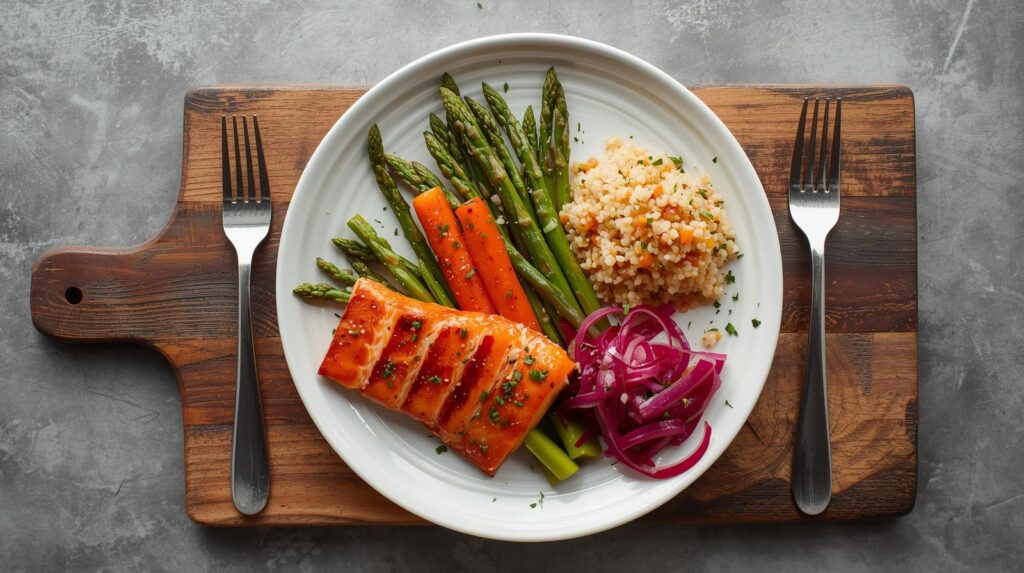
Baked salmon with a lemon-dill sauce, served with a generous portion of roasted asparagus and a quarter of a baked sweet potato.
Beverage
Hydrate throughout the day with water, herbal tea (peppermint, ginger, or chamomile are excellent for gut health), or a small glass of kefir.
For more detailed meal plans, recipes, and guided support in transitioning to a gut-healing diet, our course Mastering the Gut-Brain Connection for Total Wellness provides a full module dedicated to nourishing your second brain.
Probiotics vs. Prebiotics: A Simple Guide for Women
Walking down the supplement aisle can be overwhelming, with countless bottles promising better gut health. Two terms you’ll see everywhere are “probiotics” and “prebiotics,” and while they sound similar, they play very different, yet complementary, roles in nurturing your gut garden. Understanding this distinction is one of the most empowering pieces of knowledge you can have, as it allows you to make informed choices about the foods and supplements that will best support your unique journey to gut-brain harmony. Let’s break it down in the simplest terms possible.
Think of your gut as a garden. Probiotics are the seeds—they are the live, beneficial bacteria that you introduce to your soil to help a healthy ecosystem flourish. Prebiotics are the fertilizer—they are the specific types of fiber that you already have in your soil that feed and nourish the good bacteria, helping them to grow strong and multiply. You can plant all the seeds you want, but without the right fertilizer, they will struggle to thrive. Conversely, fertilizing empty soil won’t yield a vibrant garden. For true gut health, you need both.
The following table provides a clear, at-a-glance comparison to help you remember the difference and identify the best sources for each.
Aspect
Probiotics
Prebiotics
What They Are
Live, beneficial bacteria and yeasts.
Specialized plant fibers that act as food for good bacteria.
Primary Function
To add beneficial strains directly to your gut microbiome.
To nourish and stimulate the growth of existing beneficial bacteria.
Help produce neurotransmitters like serotonin and GABA directly in the gut.
Support the bacteria that produce mood-stabilizing short-chain fatty acids like butyrate.
Putting It All Together: A Synergistic Approach
The real magic happens when you combine probiotics and prebiotics consistently in your diet. This powerful pairing is known as a synbiotic relationship. For example, having a bowl of yogurt (probiotic) with some sliced bananas and a sprinkle of oats (prebiotic) is a synbiotic meal. This ensures that the new bacteria you’re introducing have the best possible chance of surviving, colonizing, and doing their job to support your mood and digestion.
When considering supplements, a high-quality probiotic can be helpful, especially after a course of antibiotics or during times of high stress, but it should be viewed as a supplement to a prebiotic-rich diet, not a replacement for one. The most sustainable and effective strategy is to build your daily meals around whole foods that naturally provide both.
Calm from the Outside In: Lifestyle Practices for Gut-Brain Harmony
While food provides the building blocks for a healthy gut, it is our daily habits and nervous system state that determine how well we use those blocks to rebuild and thrive. You can eat the most perfect diet in the world, but if you are chronically stressed, eating on the go, and not getting restorative sleep, your healing will be an uphill battle.
This pillar of healing is about actively managing your body’s stress response and creating a lifestyle that supports, rather than hinders, the gut-brain connection. It’s about moving from a state of “fight or flight” to a state of “rest and digest,” giving your body the signal that it is safe to heal. These practices are gentle, accessible, and profoundly effective.
Toning Your Vagus Nerve: Breathwork and Meditation
Recall that the vagus nerve is the superhighway connecting your gut and brain. “Toning” this nerve is like building a strong muscle—it makes it more efficient at sending those crucial calming signals from the brain to the gut and vice versa. The beautiful part is that you can consciously stimulate your vagus nerve through simple practices.
Deep, slow diaphragmatic breathing is one of the fastest and most powerful tools. Try the “4-7-8” technique: inhale through your nose for a count of 4, hold your breath for a count of 7, and exhale slowly through your mouth for a count of 8. Repeat this cycle just 3-4 times, and you will feel a shift in your nervous system. Meditation, even for just 5-10 minutes a day, has been shown to increase vagal tone and reduce the inflammatory response. It’s not about clearing your mind, but about gently observing your thoughts without judgment, which trains your brain to be less reactive to stress.
The Power of Gentle Movement: Yoga and Walking
When you’re feeling inflamed and fatigued, intense exercise can sometimes add more stress to the system. This is where gentle, mindful movement becomes a therapeutic tool. Yoga is a triple-threat for gut-brain health: it combines physical movement (which can help stimulate healthy digestion), deep breathing, and a meditative component, all of which work together to tone the vagus nerve and reduce cortisol.
A gentle or restorative yoga practice can be incredibly soothing. Similarly, brisk walking in nature is a profoundly healing activity. The rhythmic, bilateral movement is calming to the nervous system, and exposure to green space has been shown to lower stress hormones and reduce inflammation. Aim for a daily 30-minute walk, focusing on your breath and the sights and sounds around you, to turn it into a moving meditation.
Prioritizing Sleep for Microbial Rejuvenation
Sleep is non-negotiable for gut-brain health. This is when your body does its most profound repair work. During deep sleep, your brain’s glymphatic system activates to flush out metabolic waste, and your gut lining undergoes repair and regeneration. Furthermore, your gut microbiome has its own daily rhythms, and disrupted sleep can throw these rhythms out of balance, reducing microbial diversity. To prioritize sleep, create a consistent routine.
Aim for 7-9 hours of quality sleep per night. Establish a “digital sunset” by turning off screens at least an hour before bed, as the blue light suppresses melatonin production. Create a cool, dark, and quiet sleeping environment. Consider a calming bedtime ritual, such as drinking a cup of chamomile tea, reading a physical book, or doing a few minutes of gentle stretching. Protecting your sleep is one of the most direct investments you can make in your emotional and gut health.
Your 7-Day Action Plan to a Happier Gut and a Calmer Mind
Knowledge is power, but consistent action is what creates transformation. Feeling inspired but unsure where to start? This 7-day action plan is designed to gently guide you into a new rhythm, introducing key concepts from the gut-healing pathway one day at a time. It’s not about being perfect; it’s about building momentum and proving to yourself that small, consistent changes can yield noticeable results. Think of this week as a loving experiment and a gift to yourself. You are laying the foundation for lasting change, one simple, manageable step at a time.
Day 1: The Mindful Start. Your focus today is on connection. For one meal, eat without any distractions—no phone, no TV, no computer. Put your fork down between bites, chew each mouthful thoroughly (aim for 20-30 times), and truly savor the taste and texture of your food. This single practice alone dramatically improves digestion and signals safety to your nervous system.
Day 2: Hydrate and Herbalize. Today, we focus on hydration. Aim to drink half your body weight (in pounds) in ounces of water. For example, if you weigh 160 lbs, aim for 80 oz of water. Swap out one coffee or sugary drink for a cup of gut-soothing herbal tea, such as peppermint or ginger tea.
Day 3: Add One Prebiotic. Introduce one prebiotic-rich food into your diet. This could be adding sliced onions to your salad, eating a slightly green banana with breakfast, or adding a clove of garlic to your dinner. Notice how your body feels after incorporating this “fertilizer” for your good gut bugs.
Day 4: Breathe and Reset. Your mission today is to actively calm your nervous system. Practice the 4-7-8 breathing technique (inhale 4, hold 7, exhale 8) three times today: once in the morning, once during a midday slump, and once before bed. Set a reminder on your phone if needed.
Day 5: Move Gently. Engage in 20-30 minutes of gentle movement. This is not a high-intensity workout. Go for a brisk walk in a park, do a gentle yoga video online, or simply stretch while listening to calming music. The goal is to move your body in a way that feels good, not punishing.
Day 6: Add One Probiotic. Introduce one probiotic-rich food. This could be a few spoonfuls of plain, unsweetened yogurt or kefir with breakfast, a tablespoon of sauerkraut on the side of your lunch, or a small glass of kombucha. You are “seeding” your gut with beneficial bacteria.
Day 7: Reflect and Refine. Take 10 minutes today to journal about your week. How do you feel compared to a week ago? Is your digestion slightly calmer? Is your mind a little quieter? What one practice from this week felt the most beneficial and enjoyable? Commit to carrying that one practice forward into the coming week.
When to Seek Professional Help
While the holistic practices in this guide are powerful and foundational, they are not a substitute for professional medical advice. It is essential to listen to your body and recognize when it’s time to enlist the support of a qualified expert. Seeking help is not a sign of failure; it is a profound act of self-care and wisdom. If you have made consistent lifestyle changes for several weeks and see no improvement, or if your symptoms are severe and impacting your quality of life, it is time to consult a professional. You deserve a team that supports your whole health.
Consider scheduling an appointment with your primary care physician to rule out any underlying medical conditions that could be causing your symptoms, such as thyroid disorders, celiac disease, or inflammatory bowel disease (IBD). Beyond your doctor, a Registered Dietitian (RD) or Registered Nutritional Therapist can help you create a highly personalized gut-healing protocol, navigate food sensitivities, and address any nutrient deficiencies.
For persistent mood issues like anxiety and depression, working with a therapist or counselor can provide you with essential cognitive and emotional tools to break the stress cycle that fuels gut inflammation. A Functional Medicine Practitioner or Integrative Gastroenterologist is also an excellent resource, as they are trained to look for the root causes of dysfunction rather than just treating the symptoms.
Your Journey to Inner Balance Starts Now
You have just journeyed through a wealth of information about one of the most important connections in your body. You’ve learned the signs, understood the root causes, and been equipped with a practical, holistic pathway to healing. Remember, this is not a race. It is a gentle, compassionate journey back to yourself. There will be good days and challenging days, and that is perfectly okay. Each healthy meal, each deep breath, each moment of rest is a loving message to your body that you are listening, that you care, and that you are committed to your own well-being.
You hold the power to influence this incredible conversation within you. By nourishing your gut, you are directly calming your mind. By soothing your mind, you are directly healing your gut. This beautiful, synergistic relationship is your greatest ally. Trust the process, be patient with your progress, and celebrate every small victory along the way. You have taken the first and most important step: you have chosen to learn and to act. Your path to feeling vibrant, calm, and truly balanced in both body and mind is right here, waiting for you to take the next step.
Ready to take a deeper dive and make lasting change with a supportive community and expert guidance? Enroll for free in our comprehensive course, Mastering the Gut-Brain Connection for Total Wellness, and transform your knowledge into a personalized, sustainable plan for total well-being.
1: Can gut health really cause anxiety and depression?
Yes, the science is now very clear on this. The gut microbiome produces a vast majority of the body’s serotonin and about half of its dopamine, neurotransmitters that are essential for regulating mood. An imbalanced gut (dysbiosis) can lead to reduced production of these “feel-good” chemicals and increased systemic inflammation, both of which are directly linked to the development of anxiety and depressive disorders.
2: How long does it take to improve your gut health and see a change in your mood?
This varies for everyone, but many people report noticing initial improvements in digestion and a slight lifting of brain fog within 1-3 weeks of consistent dietary and lifestyle changes. For more significant and lasting shifts in mood, it often takes 3 to 6 months of dedicated effort. This is because it takes time to shift the population of your gut bacteria, repair the gut lining, and calm a chronically stressed nervous system. Patience and consistency are key.
3: What’s the best probiotic for mood support?
There is no single “best” probiotic, as the ideal strain depends on the individual. However, look for a high-quality, multi-strain supplement that contains well-researched strains like Lactobacillus helveticus, Bifidobacterium longum, and Lactobacillus rhamnosus, which have clinical evidence supporting their benefits for mood and stress reduction. It’s often best to start with a lower CFU (colony-forming units) count and increase gradually.
4: I’m perimenopausal—is my gut health making my mood swings worse?
Absolutely. The decline in estrogen during perimenopause and menopause can directly alter the gut microbiome and increase intestinal permeability (“leaky gut”). This can lead to heightened inflammation, which can exacerbate mood swings, anxiety, and irritability. Supporting your gut health during this transition is one of the most effective ways to manage the emotional symptoms of hormonal fluctuation.
5: Are there any quick fixes for gut-related anxiety?
While there are no true “quick fixes,” some tools can offer relatively fast relief by calming the nervous system. The 4-7-8 breathing technique can reduce anxiety within minutes. Going for a brisk walk or doing a few yoga stretches can help burn off stress hormones. Sipping on ginger or peppermint tea can soothe an upset, anxious stomach. For long-term healing, however, these quick tools should be combined with the foundational dietary and lifestyle changes outlined in this guide.
Understanding the Perimenopause-Anxiety Connection Natural Ways to Find Calm; Sarah woke up at 3 AM with her heart racing, drenched in sweat, and overwhelmed by…
Why It’s Time to Break Up with Diet Culture Sarah stood in her closet staring at three different wardrobes—the “thin clothes” from her last successful…
Why Your Perimenopause Symptoms Feel Impossible to Control When Everything Feels Out of Control Simultaneously Maria sat in her car in the grocery store parking…










Responses