Do you remember a time when your body felt like a reliable friend? When your energy was steady, your mood was resilient, and your sleep was deep and restorative? For so many women in midlife, that familiar sense of ease can feel like a distant memory, replaced by a confusing new landscape of fatigue, stubborn weight, unpredictable moods, and nights spent wrestling with sheets instead of resting in sleep. It’s easy to feel betrayed by your own body, to wonder if this is just what “getting older” has to feel like. But what if this upheaval wasn’t a sentence, but a signal? What if your body was asking for a new, more supportive rhythm?
Welcome to a fresh perspective on one of the most powerful, yet misunderstood, tools for reclaiming your vitality: intermittent fasting. This isn’t about deprivation or extreme dieting. In fact, for women in their 40s, 50s, and beyond, that harsh approach often backfires, further stressing our delicate hormonal systems. Instead, this is about learning the art of rhythmic eating—a gentle, intentional practice that works with your changing biology, not against it. It’s about giving your body the one thing it’s been desperately craving amidst the hormonal chaos: a clear and consistent signal to heal, rebalance, and thrive.
This guide is your compassionate companion. We will gently navigate the science of your shifting hormones, demystify how intermittent fasting can be a source of profound balance, and provide you with a safe, sustainable, and step-by-step pathway. This is not a one-size-fits-all prescription; it’s an invitation to listen to the wisdom of your body and discover the unique eating rhythm that can help you silence the static, steady your energy, and feel like yourself again. Your journey back to hormonal harmony starts with understanding, and it continues with every small, loving choice you make for your well-being.
The Midlife Shift: Understanding Your Changing Hormonal Landscape
To navigate the path to hormone balance, we must first understand the terrain. The shifts you’re experiencing aren’t random; they are part of a natural, yet profound, biological transition. Think of your endocrine system as a sophisticated orchestra. For years, the instruments have played in a beautiful, coordinated harmony. As you enter perimenopause and menopause, it’s as if the lead instruments begin to change their tune, and the entire symphony must learn to adapt. You are not broken; your body is simply learning a new composition. By understanding the key players—estrogen, progesterone, cortisol, and insulin—you can move from feeling at the mercy of your hormones to becoming the skilled conductor of your own well-being.
The Estrogen and Progesterone Seesaw
For most of your adult life, estrogen and progesterone have worked in a delicate, rhythmic dance. Estrogen builds up the uterine lining, promotes brain health, and keeps your skin supple, while progesterone balances estrogen’s effects, promoting calm and supporting sleep. As you approach midlife, this dance becomes less synchronized. Ovulation becomes irregular, leading to wild fluctuations and an eventual decline in both hormones.
However, the decline isn’t equal; progesterone often drops more steeply than estrogen. This can lead to a state known as “estrogen dominance,” where you have too much estrogen relative to progesterone. This imbalance is often the root cause of many classic perimenopausal symptoms: heavy periods, increased PMS, breast tenderness, mood swings, and water retention. Understanding this seesaw effect is crucial because it explains why simply adding more estrogen isn’t always the answer; the goal is to restore balance and support your body’s natural rhythms.
The Cortisol Connection: When Stress Fuels the Fire
If your reproductive hormones are the lead violinists, then cortisol, your primary stress hormone, is the conductor. When the conductor is frantic, the entire orchestra falls into chaos. Chronic stress—whether from work, family, or life’s endless to-do lists—keeps your cortisol levels persistently high. This creates a significant problem for your other hormones. High cortisol directly disrupts the production of progesterone, as they share the same precursor hormone, pregnenolone.
This is often called the “pregnenolone steal,” where your body prioritizes making stress hormones over sex hormones, further worsening the estrogen-progesterone imbalance. Furthermore, elevated cortisol signals to your body that it’s in crisis, encouraging it to store fat, particularly around the abdomen, and disrupting sleep. This is why managing stress isn’t just a luxury for midlife wellness; it is a non-negotiable foundation for hormonal harmony.
Insulin Resistance: The Hidden Culprit Behind Stubborn Weight and Fatigue
You may think of insulin only in the context of diabetes, but this blood-sugar-regulating hormone plays a massive role in midlife weight gain and energy crashes. Over years of consuming a standard diet high in sugars and processed carbohydrates, your cells can become “numb” to insulin’s signal. This is insulin resistance. Your pancreas has to pump out more and more insulin to do the same job of ushering glucose into your cells for energy.
High insulin levels are a major fat-storage signal, telling your body to hold onto every calorie, especially around your midsection. Even more frustratingly, this insulin resistance blocks the breakdown of stored fat, making it feel impossible to lose weight no matter how little you eat. For midlife women already dealing with shifting estrogen and cortisol, insulin resistance adds a powerful third layer of metabolic dysfunction, fueling inflammation, fatigue, and that infuriating belly fat that seems immune to diet and exercise.
The Gentle Power of Intermittent Fasting: Why It’s Different for Women
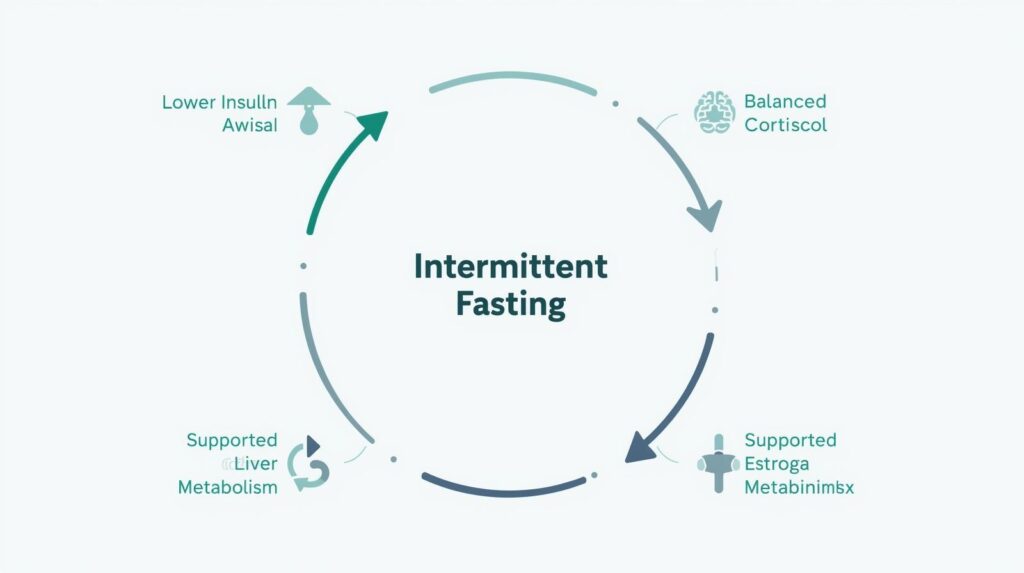
When many people hear “intermittent fasting,” they envision a harsh, restrictive practice focused solely on weight loss. But when approached through a hormonal and feminine lens, it reveals itself as something far more nuanced and powerful: a form of metabolic reset that can gently guide your body back toward balance. The goal here is not to starve your body into submission, but to provide it with structured fasts that act as powerful signals, encouraging cellular repair, improving metabolic flexibility, and calming the underlying inflammation that disrupts hormonal harmony.
However, the female body, exquisitely sensitive to energy availability, requires a more thoughtful approach than the often one-size-fits-all methods popularized for men. Your journey with intermittent fasting must be one of collaboration with your body, not conquest.
Moving Beyond Weight Loss: A Tool for Metabolic and Endocrine Health
While weight loss can be a welcome benefit, the true magic of intermittent fasting for midlife women lies in its profound impact on your underlying metabolic and endocrine health. When you extend the period of time in which you are not eating, you give your body a break from the constant work of digestion and the blood sugar rollercoaster. This fasted state is not a state of deprivation; it is a state of opportunity.
It is during this window that your body can shift its energy away from processing food and toward deep cellular housekeeping, a process called autophagy. Think of it as an internal spring cleaning, where your cells clear out old, damaged components, reducing inflammation and improving overall function. This metabolic shift is the foundation upon which hormonal balance is built, creating a cleaner, more efficient internal environment for your hormones to communicate effectively.
How Intermittent Fasting Helps Sensitize Your Cells to Insulin
Recall the problem of insulin resistance, where your cells stop “listening” to insulin. Intermittent fasting is one of the most potent natural interventions to reverse this. During your fasting window, your body depletes the stored sugar (glycogen) in your liver and muscles. To keep functioning, it must then turn to your stored fat for energy. This process significantly lowers your baseline insulin levels. When insulin is low for a sustained period, your cells essentially “reset” and regain their sensitivity.
The next time you eat, a smaller amount of insulin is required to usher glucose into your cells. This is a game-changer. Breaking the cycle of high insulin means your body is no longer constantly receiving a “store fat” signal. This can lead to easier weight management, more stable energy throughout the day without dramatic crashes, and a significant reduction in the inflammatory burden that disrupts estrogen and progesterone balance.
How Intermittent Fasting Can Support Natural Human Growth Hormone (HGH) Production
Human Growth Hormone (HGH) is often touted as an “anti-aging” hormone, and for good reason. It helps maintain muscle mass, support bone density, promote fat burning, and contribute to skin thickness and elasticity. Naturally, HGH levels decline with age. However, research has shown that fasting can provoke a significant increase in HGH secretion—as much as 5-fold.
For a midlife woman, this is incredibly valuable. Preserving muscle mass is critical for a healthy metabolism, as muscle is metabolically active tissue that burns calories even at rest. Strong bones are vital for preventing osteoporosis. By incorporating intermittent fasting, you are giving your body a powerful, natural nudge to produce more of this vital hormone, supporting your body’s structural integrity and metabolic rate from the inside out.
A Crucial Discussion on Female Sensitivity and the Need for a Gentle Approach
It is absolutely vital to acknowledge that the female hormonal system, particularly the hypothalamic-pituitary-adrenal (HPA) axis, is far more sensitive to energy restriction than the male system. Your body is hardwired for reproduction and perceives severe energy scarcity as a threat. If a fasting protocol is too aggressive—too long, too frequent, or coupled with inadequate nutrition—it can be perceived as a major stressor.
This can lead to a rise in cortisol, which, as we know, can further disrupt progesterone and exacerbate insulin resistance. It can also negatively impact thyroid function and lead to irregular periods in perimenopausal women. This is why the “no pain, no gain” mentality is not only unhelpful but can be counterproductive. The key is gentleness, consistency, and nourishment. The most effective approach for midlife women is not the longest fast, but the most sustainable one that supports, rather than stresses, the entire endocrine system.
The Best Intermittent Fasting Schedules for Hormone Harmony in Midlife
Navigating the world of intermittent fasting schedules can feel overwhelming, with countless acronyms and protocols vying for your attention. For the midlife woman seeking hormonal balance, the choice of schedule is not a trivial one; it is the cornerstone of a safe and effective practice. The goal is to select a rhythm that provides a long enough fasted window to trigger the beneficial metabolic and cellular repair processes, while being short enough to avoid signaling “famine” to your sensitive stress-response system.
The most empowering approach is to view these schedules as tools in your wellness toolkit, not rigid rules. You are the expert on your own body, and the best schedule is the one that makes you feel energized, clear-headed, and peacefully in control, not deprived and stressed.
To help you quickly identify a starting point, here are the most recommended, hormone-friendly intermittent fasting schedules:
The 12-Hour Fast (12:12): The perfect gentle start for hormone healing.
The 14-Hour Fast (14:10): The sweet spot for sustainable balance.
The Circadian Rhythm Fast: Aligning your eating with your body’s natural clock.
Schedules to Approach with Caution: Understanding when longer fasts may do more harm than good.
The 12-Hour Fast (12:12): The Perfect Gentle Start
If you are new to intermittent fasting, are experiencing high levels of stress, have a history of adrenal fatigue, or simply feel nervous about beginning, the 12-hour fast is your ideal starting line. This schedule is profoundly simple and deeply aligned with your body’s natural rhythms: you fast for 12 hours and consume all your meals within a 12-hour “eating window.”
For many, this is as simple as finishing dinner by 7 PM and not eating again until 7 AM the next morning. This approach is gentle enough that it rarely triggers a significant stress response, yet it still provides meaningful benefits. It gives your digestive system a solid break overnight, helps regulate bedtime blood sugar for better sleep, and begins to gently encourage your body to become more metabolically flexible. Think of it as a “beginner’s mind” practice in listening to your body, building a foundation of consistency without pressure.
The 14-Hour Fast (14:10): The Sweet Spot for Sustainable Balance
For many midlife women, the 14-hour fast emerges as the “Goldilocks” zone—not too short, not too long, but just right. This schedule involves a 14-hour fasting window and a 10-hour eating window (for example, eating between 10 AM and 8 PM). This extended fasted period provides a more robust trigger for autophagy and insulin sensitivity without typically pushing the body into a high-stress state.
It allows enough time for your body to more fully deplete liver glycogen and tap into fat stores for energy, supporting healthy body composition. The 14:10 rhythm is often sustainable long-term because it doesn’t feel overly restrictive; you can still enjoy social dinners and a satisfying lunch and dinner. It strikes a beautiful balance between providing a powerful therapeutic signal and respecting the need for nourishment and pleasure, making it a cornerstone of the Intermittent Fasting for Life approach.
The Circadian Rhythm Fast: Aligning with Your Body’s Clock
This approach is less about a specific number of hours and more about syncing your eating pattern with your innate 24-hour biological clock, your circadian rhythm. The principle is simple: you align your eating window with daylight hours, for example, from sunrise (or shortly after) to sunset (or a few hours after). This often naturally creates a 12-14 hour fasting window.
The science behind this is powerful: your body is naturally more insulin-sensitive during the morning and daytime, and less so in the evening. Eating the bulk of your calories earlier in the day and avoiding late-night snacking can lead to improved blood sugar control, better sleep quality, and more synchronized hormone production. This rhythm is incredibly intuitive and works in harmony with your body’s natural cortisol and melatonin cycles, making it a profoundly healing pattern for both metabolism and sleep.
Schedules to Approach with Caution
While you may hear success stories about more aggressive fasting protocols like the 16:8 (16 hours fasted, 8-hour eating window), 18:6, or One-Meal-A-Day (OMAD), it is crucial to approach these with significant caution in midlife. Longer fasts present a much greater risk of triggering a heightened cortisol response, which can directly counteract the benefits we are seeking for hormone balance. For a woman whose system is already stressed from perimenopause, life pressures, or past dieting, a 16-hour fast can feel like a famine, not a therapy.
Warning signs that a schedule is too aggressive include increased anxiety, feeling “wired but tired,” sleep disturbances, feeling cold all the time, hair loss, and for pre-menopausal women, a disruption in their menstrual cycle. These are clear messages from your body to pull back. The philosophy here is “start low and go slow.” It is always better to succeed gently with a 12 or 14-hour fast than to push for 16 hours and create more stress and imbalance.
What to Break Your Fast With: The Ultimate Hormone-Supporting Meal
After a period of fasting, your body is in a unique metabolic state—primed, sensitive, and eagerly awaiting nourishment. The first meal you choose to eat, often called “breaking the fast,” is not just another meal; it is a powerful signal you send to your hormones and metabolism. This meal sets the tone for your blood sugar stability, energy levels, and even your cravings for the next several hours.
Choosing the wrong foods can lead to a rapid spike and subsequent crash in blood sugar, leaving you feeling jittery, hungry, and fatigued shortly after eating. However, by breaking your fast strategically with a balance of specific nutrients, you can gently guide your body out of its fasted state, sustain your energy, and continue to support the hormonal harmony you’ve been cultivating. This is where the magic of nourishment truly meets the power of fasting.
The Critical Importance of the First Meal
Imagine your metabolism after a fast is like a calm, quiet garden. The first meal you eat is like the first watering—it should be gentle and nourishing, not a torrential downpour that washes everything away. When you break a fast, your cells are highly receptive to insulin. If you break your fast with a large amount of sugar or refined carbohydrates, you will trigger a massive spike in insulin.
This sudden surge can shuttle all that glucose into your cells so rapidly that it leads to a reactive low blood sugar (hypoglycemia) an hour or two later. This rollercoaster stresses your adrenal glands, increases cortisol, and can leave you craving more sugar to regain energy, completely undermining the metabolic stability you just worked to achieve. A carefully chosen first meal, however, allows for a gradual and steady rise in blood sugar, supporting sustained energy and keeping hormones like insulin and cortisol on an even keel.
The Ideal Protein, Fat, and Fiber Balance
The golden trifecta for breaking a fast in a hormone-supportive way is a combination of high-quality protein, healthy fats, and fiber. This powerful trio works synergistically to create a slow, steady release of energy and promote satiety.
Protein: Sources like eggs, salmon, chicken, tofu, or a quality protein powder provide essential amino acids that are the building blocks for hormone and neurotransmitter production. Protein also stimulates the release of glucagon, a hormone that counterbalances insulin and promotes the release of stored glucose, preventing a sharp blood sugar spike.
Healthy Fats: Avocado, olive oil, nuts, seeds, and nut butters slow down the emptying of the stomach and the absorption of carbohydrates, further moderating the insulin response. Fats are also crucial for the production of steroid hormones, including estrogen and progesterone.
Fiber: Found in vegetables, low-sugar fruits like berries, and whole grains like quinoa or oats, fiber creates a gel-like substance in the gut that slows digestion and the release of sugars into the bloodstream.
Aim for a plate that is roughly 30-40% protein, 30-40% healthy fats, and the rest high-fiber carbohydrates from vegetables and small portions of complex carbs.
To make this practical, here are some ideal first foods and foods to avoid:
Excellent Choices for Breaking a Fast:
Two eggs scrambled with spinach and avocado.
A smoothie with protein powder, a handful of spinach, almond butter, and chia seeds.
A salad with grilled chicken, olive oil dressing, and lots of non-starchy vegetables.
Full-fat Greek yogurt with berries and a sprinkle of nuts and seeds.
Foods to Avoid When Breaking a Fast:
Sugary cereals, pastries, or toast with jam.
Fruit juice or sugary coffee drinks.
Highly processed foods like bagels, muffins, or cereal bars.
Large portions of refined carbohydrates like pasta or white rice without adequate protein and fat.
Internal Link Placeholder: Get dozens of delicious, hormone-friendly ‘breaking-the-fast’ recipes and detailed meal plans inside our Intermittent Fasting for Life course, taking the guesswork out of what to eat.
Intermittent Fasting for Specific Hormonal Goals
While intermittent fasting provides a foundational benefit for overall metabolic health, its true power is revealed when we apply it with intention to our specific hormonal challenges. Every woman’s journey through midlife is unique; you may be struggling primarily with the turbulent waves of perimenopause, while another is battling the exhausting grip of chronic stress. The beautiful flexibility of intermittent fasting allows you to adjust your focus, fine-tuning your approach to directly support your body’s most pressing needs. This is where you move from a general practice to a personalized protocol, empowering you to become the architect of your own hormonal balance. Let’s explore how to harness rhythmic eating for your most important health goals.
To provide a clear and actionable overview, here is a table summarizing the primary focus for each hormonal goal:
Hormonal Goal
Recommended Fasting Focus
Key Dietary & Lifestyle Synergies
Balancing Estrogen & Easing Perimenopause
Gentle 12-14 hour fasts to support liver detoxification without adding stress.
Cruciferous vegetables (broccoli, cauliflower), fiber, and hydration to aid estrogen clearance.
Taming Cortisol & Managing Stress
Consistent 12-hour circadian rhythm fasting. Prioritize routine over duration.
Adaptogenic herbs (ashwagandha, rhodiola), yoga, breathwork, and prioritizing sleep.
Combating Insulin Resistance & Belly Fat
14-hour fasts to effectively lower baseline insulin and improve sensitivity.
A low-glycemic diet, prioritizing protein and fiber, and incorporating strength training.
Supporting Thyroid Health
Very gentle 12-hour fasts. Listen closely to energy levels and avoid any protocol that increases fatigue.
Adequate selenium and zinc (brazil nuts, pumpkin seeds), and managing stress as a top priority.
For Balancing Estrogen and Easing Perimenopause Symptoms
If your primary challenge is the wild fluctuations of perimenopause—hot flashes, night sweats, heavy periods, and mood swings—your intermittent fasting strategy should focus on supporting your body’s natural estrogen detoxification pathways. Your liver is the primary organ responsible for breaking down and clearing used estrogen from your body. Aggressive fasting can overwhelm the liver, but gentle, consistent fasts of 12-14 hours provide it with the metabolic space to perform this essential housekeeping more efficiently.
The key is to break your fast with foods that actively support this process. Cruciferous vegetables like broccoli, cauliflower, kale, and Brussels sprouts contain a compound called indole-3-carbinol, which helps convert estrogen into its safer, more beneficial forms. Ample fiber from ground flaxseed and vegetables ensures that the metabolized estrogen is properly bound and excreted from the body, preventing it from being reabsorbed. This gentle fasting and targeted nourishment work together to ease the burden of estrogen dominance, often leading to a noticeable reduction in the intensity and frequency of perimenopausal symptoms.
For Taming Cortisol and Managing Stress
For the woman who feels wired, overwhelmed, and constantly “on,” the primary goal of intermittent fasting must be to calm the nervous system, not to challenge it further. In this case, the consistency and timing of your eating window are far more important than its length. A strict 16:8 fast could be disastrous, but a consistent 12-hour circadian rhythm fast can be profoundly stabilizing. Eating your meals at roughly the same times each day and finishing your last meal 2-3 hours before bedtime signals safety and predictability to your HPA axis, helping to regulate your natural cortisol curve.
Your focus should be on breaking your fast with meals that are deeply nourishing and not skipping meals, which is a direct stressor. Pair this rhythmic eating with other cortisol-taming practices: a daily 10-minute meditation, a gentle walk in nature, or incorporating adaptogenic herbs like ashwagandha into your routine. The message you want to send your body is one of “all is well,” and a gentle, predictable eating schedule is a powerful way to communicate that.
For Combating Insulin Resistance and Stubborn Belly Fat
When the scale won’t budge and you feel a layer of stubborn fat, particularly around your abdomen, insulin resistance is very likely a central player. Here, intermittent fasting can be your most powerful ally, but it must be applied correctly. A 14-hour fasting window is often the ideal tool because it provides enough time to significantly lower baseline insulin levels and force your body to become adept at burning fat for fuel. The synergy between your fasting window and your diet is critical.
Breaking your fast with a meal that is low in refined carbohydrates and rich in protein, healthy fats, and fiber ensures that you don’t immediately spike insulin and undo the metabolic benefits of your fast. Furthermore, combining this practice with regular strength training is a game-changer. Muscle is your largest glucose disposal site; building more muscle through resistance exercise improves your insulin sensitivity around the clock. This powerful combination of rhythmic fasting, macronutrient-balanced meals, and strength training directly targets the root cause of stubborn midlife weight gain.
For Supporting Thyroid Health
The thyroid gland, your body’s metabolic thermostat, requires a particularly gentle and mindful approach to intermittent fasting. For women with underlying thyroid issues like Hashimoto’s or hypothyroidism, the primary concern is ensuring that fasting does not further suppress the conversion of the inactive thyroid hormone (T4) to the active form (T3). This conversion can be hindered by perceived energy scarcity and high cortisol. Therefore, if you have thyroid concerns, your mantra must be “gentle and observant.” A 12-hour fast is an excellent starting point.
It is crucial to listen to your body with heightened awareness. If you notice an increase in fatigue, feeling cold, brain fog, or hair loss after starting intermittent fasting, it is a clear sign that your body is perceiving it as a stressor, and you should shorten your fasting window or discontinue. Your focus should be on breaking your fast with nutrient-dense foods rich in selenium (Brazil nuts, tuna) and zinc (pumpkin seeds, lentils), which are essential cofactors for thyroid hormone production and conversion.
The Synergy of Fasting and Hormone-Friendly Nutrition
Intermittent fasting and nutrition are not two separate strategies; they are two sides of the same coin, working in a beautiful, synergistic dance to restore hormonal balance. The fasting window creates the metabolic opportunity for healing—it lowers insulin, reduces inflammation, and triggers cellular repair. But it is the food you eat during your nourishing window that provides the essential building blocks for that repair. You cannot out-fast a poor diet.
What you choose to put on your plate is the tangible expression of self-care that determines whether your body interprets the fasting period as a therapeutic signal or a stressful ordeal. This synergy is the heart of a sustainable, lifelong practice that nourishes you on every level—physically, mentally, and emotionally.
It’s Not Just When You Eat, But What You Eat
Think of your body as a sophisticated repair shop. The intermittent fasting period is the quiet, uninterrupted time when the cleaning crew comes in (autophagy) and the mechanics can assess what needs to be fixed. When you open your eating window, you are delivering the raw materials—the spare parts, the high-quality fuel, the specialized tools—needed to complete the repairs. If you deliver junk, the repairs will be shoddy, and new problems will quickly arise. If you deliver premium materials, the repairs will be robust and long-lasting.
For your hormones, this means that breaking your fast with a meal rich in protein, healthy fats, and phytonutrients provides the amino acids for neurotransmitter and hormone production, the fats for cellular integrity and steroid hormone synthesis, and the antioxidants to quench inflammation. The “when” amplifies the effect of the “what,” making every nutrient-dense meal you eat even more powerful.
Foods to Embrace: Your Hormone-Healing Toolkit
Filling your plate with these foundational foods ensures you are giving your body the best possible support during your eating window.
Cruciferous Vegetables: Broccoli, cauliflower, kale, cabbage, and Brussels sprouts are superstars for hormone health. They contain compounds like Diindolylmethane (DIM) and Indole-3-Carbinol (I3C) that help your liver metabolize and clear excess estrogen, which is crucial for combating estrogen dominance in perimenopause.
Healthy Fats: Your hormones are literally made from cholesterol, a type of fat. Prioritize anti-inflammatory sources like avocados, extra virgin olive oil, nuts (especially walnuts), seeds (flax, chia, pumpkin), and fatty fish (salmon, mackerel, sardines). These fats support brain health, reduce inflammation, and keep you satiated.
Lean Protein: Adequate protein is essential for stabilizing blood sugar, supporting muscle mass (critical for metabolism), and providing the amino acids needed to produce neurotransmitters like serotonin and dopamine. Include sources like eggs, chicken, turkey, fatty fish, lentils, beans, and tofu.
High-Fiber Foods: Fiber is your gut’s best friend, and a healthy gut microbiome is essential for hormone regulation. Fiber helps escort used estrogen out of the body and feeds beneficial gut bacteria. Load up on vegetables, berries, ground flaxseed, and whole grains like quinoa and oats.
Fermented Foods: Foods like plain yogurt, kefir, sauerkraut, kimchi, and kombucha introduce beneficial probiotics to your gut, supporting a healthy microbiome which plays a direct role in regulating estrogen levels and reducing inflammation.
Foods to Limit or Avoid: The Hormonal Saboteurs
Just as some foods build you up, others can systematically break down your hormonal balance. Being mindful of these can accelerate your progress.
Sugar and Refined Carbohydrates: This includes white bread, pasta, pastries, soda, and candy. These foods cause rapid spikes in blood sugar and insulin, promoting inflammation, fat storage, and estrogen dominance. They are the primary drivers of insulin resistance.
Processed Foods: Packaged snacks, frozen meals, and fast food are often loaded with inflammatory industrial seed oils (soybean, canola, sunflower), refined sugars, and artificial additives that disrupt gut health and increase the toxic burden on your liver.
Inflammatory Oils: Limit oils high in omega-6 fatty acids, such as soybean, corn, and sunflower oil. An imbalance between omega-6 and omega-3 fats promotes systemic inflammation, which is a root cause of hormonal dysfunction.
Excessive Alcohol: Alcohol is processed by the liver, the same organ responsible for metabolizing hormones. When your liver is busy dealing with alcohol, it can’t efficiently clear excess estrogen, leading to a buildup. It can also disrupt sleep and increase cortisol.
Our Intermittent Fasting for Life course includes comprehensive meal planning guides, shopping lists, and delicious recipes to make hormone-healthy eating simple and enjoyable, taking the stress out of what to eat.
Listening to Your Body: Key Signs Intermittent Fasting is Working (or Not)
Embarking on an intermittent fasting journey requires you to become a compassionate detective of your own body’s language. Unlike a prescription medication with a standardized dose, the “right” way to fast is a deeply personal discovery. Your body will communicate loudly and clearly whether the rhythm you’ve chosen is a source of healing or stress. Learning to interpret these signals is your most important skill. This process is not about pushing through discomfort with gritted teeth; it is about cultivating a gentle curiosity. Is this practice making me feel more vibrant and alive, or is it depleting me? Honoring the answers to these questions is the true path to finding a sustainable, hormone-balancing rhythm that works for you, for life.
Positive Signs: Your Body is Thanking You
When intermittent fasting is aligned with your body’s needs, you will begin to notice subtle yet powerful shifts that indicate your hormones are finding their way back to balance. These positive signs are your motivation to continue.
More Stable Energy Throughout the Day: One of the first and most welcome changes many women report is the disappearance of the dreaded 3 PM energy crash. This happens because you are training your body to rely on steady fat-burning for fuel, rather than the volatile ups and downs of sugar-burning. You’ll notice you no longer feel desperate for a sugary snack to get through the afternoon.
Improved Sleep Quality: As your blood sugar stabilizes throughout the night and your cortisol curve begins to normalize, you may find it easier to fall asleep and stay asleep. You might wake up feeling more genuinely rested, rather than groggy and reliant on caffeine. This improved rest is a cornerstone of hormonal repair.
Clearer Thinking and Reduced Brain Fog: The reduction in inflammation and the production of ketones during a fast provide a clean, efficient fuel source for your brain. Many women describe a “mental clarity” they haven’t experienced in years, with improved focus and memory.
Reduced Cravings, Especially for Sugar and Carbs: When your insulin levels are stable and you are breaking your fast with satiating, nutrient-dense meals, the constant nagging hunger and intense cravings for processed foods begin to fade. This is a sign that your blood sugar is no longer on a rollercoaster.
A Sense of Empowerment and Control: Successfully tuning into your body’s rhythms and providing it with what it truly needs fosters a profound sense of agency over your own health. This positive emotional shift can, in itself, help lower stress hormones.
Red Flags to Heed: Your Body is Asking for a Change
It is absolutely vital to recognize when your current approach to intermittent fasting is creating more stress than healing. Ignoring these signals can lead to a worsening of hormonal imbalances. These are not signs of weakness; they are signs of wisdom.
Increased Anxiety, Irritability, or Feeling “Wired but Tired”: This is a classic sign that fasting is elevating your cortisol levels. Your body is perceiving the fast as a threat, flooding your system with stress hormones. This is a clear message that your fasting window is too long or that this practice may not be suitable for you at this time in your life.
Sleep Disturbances or Waking Up in the Middle of the Night: If you find yourself wide awake at 2 or 3 AM, it is often a sign of a cortisol spike. Your body, in a fasted state, may be triggering a stress response that disrupts your natural sleep cycle.
Extreme Fatigue, Lethargy, or Feeling Drained: While an adjustment period is normal, persistent exhaustion is not. This could indicate that the fast is too demanding for your current energy reserves, potentially impacting your thyroid function or adrenal health.
Feeling Unusually Cold (Especially Hands and Feet): This can be a sign that your thyroid function is being negatively impacted. Intermittent fasting should not lower your core body temperature. Feeling chronically cold is a red flag to pull back.
Digestive Upset like Bloating or Constipation: If your digestion worsens, it may be a sign that you are breaking your fast with the wrong foods, eating too much in one sitting, or that the fasting rhythm is disrupting your gut’s natural motility.
For Pre-Menopausal Women: Disruption of Your Menstrual Cycle: This is one of the most significant red flags. The loss of a period or a suddenly irregular cycle is a direct signal from your body that it does not have enough energy for reproduction. This means the fasting protocol is too aggressive and must be stopped or significantly modified immediately.
A 7-Day Gentle Start Plan: Your First Week of Hormone-Focused Fasting
Knowledge and intention are the first steps, but action is where transformation begins. This 7-day plan is designed to gently introduce your body to the rhythm of intermittent fasting without triggering stress or overwhelm. We will focus on a 12-hour fasting window, which is a safe and effective starting point for nearly every woman. Remember, this is not a rigid test of willpower; it is a loving experiment in self-care. Each day has a simple focus to help you build consistency and mindfulness. The goal for this week is not perfection, but practice. Be kind to yourself, listen to your body’s whispers, and celebrate the small victories. You are laying the foundation for a lifelong practice of hormonal harmony.
Day 1: Intention & Observation. Today, your only task is to notice. Eat your meals as you normally would, but write down the time you finish your last bite in the evening and the time you take your first bite the next morning. Note how you feel upon waking—energized, hungry, bloated? This establishes your baseline without any pressure to change.
Day 2: The 12-Hour Foundation. Based on your notes from Day 1, gently adjust your eating window to achieve a 12-hour fast. If you finished dinner at 8 PM last night, aim to break your fast at 8 AM today. Hydrate well with water or herbal tea upon waking. Break your fast with a meal containing protein, fat, and fiber, like two scrambled eggs with spinach and half an avocado.
Day 3: Hydrate & Nourish. Focus on the quality of your hydration and your first meal. Aim to drink a large glass of water as soon as you wake up. When you break your fast, ensure your plate is colorful with non-starchy vegetables. Notice if this helps you feel more satiated and energized than yesterday.
Day 4: Mindful Movement. Incorporate 20-30 minutes of gentle movement into your day. This is not a high-intensity workout. Go for a brisk walk, do some gentle stretching, or try a restorative yoga video. Observe how movement affects your hunger levels and your mood during your fasting window.
Day 5: Tune into Cravings. As you go through your fasting window, if a craving arises, pause. Ask yourself: “Am I truly hungry, or am I thirsty, bored, or stressed?” Drink a glass of water and wait 10 minutes. This practice builds mindfulness and helps you distinguish between physical hunger and emotional eating.
Day 6: Reflect and Adjust. Take five minutes to journal. How has your energy been this week? How is your sleep? Have your cravings changed? Do you feel any less bloated? Based on your reflections, do you feel ready to try a 13-hour fast tomorrow, or is it best to stick with 12 hours for another week? Honor your answer.
Day 7: Embrace Your Rhythm. Today, practice your chosen fasting window (12 or 13 hours) with confidence. You have completed a full week of building a new, conscious rhythm. Celebrate this commitment to yourself! Plan a nourishing, delicious meal to break your fast, acknowledging the care you are giving your body.
Your Toolkit for Success: Beyond the Fast
While intermittent fasting provides a powerful structural rhythm for your days, its ability to create lasting hormonal harmony is profoundly influenced by the other elements of your lifestyle. Think of your wellness as a beautiful tapestry. Intermittent fasting is one of the strongest threads, but it is woven together with threads of restorative sleep, mindful movement, and inner calm. When these elements are strong, the tapestry is resilient and vibrant. Neglecting them can cause the entire fabric to weaken. This holistic approach ensures that you are not just “doing a fast” but are truly cultivating an ecosystem within your body where balance can flourish. Let’s explore the essential tools that will support you on this journey.
The Foundational Role of Stress-Reduction
If intermittent fasting is the rhythm, then stress-reduction is the melody that ensures the music is soothing, not jarring. Chronic stress, as we’ve learned, elevates cortisol, which can directly undermine the benefits of your fast by promoting insulin resistance and disrupting progesterone. Therefore, actively calming your nervous system is not an optional extra; it is a non-negotiable part of the protocol.
Practices like yoga combine movement with breathwork, directly toning the vagus nerve to promote a “rest and digest” state. Meditation, even for five minutes a day, trains your brain to be less reactive to stressors. Simple breathwork, like the 4-7-8 technique, can lower your cortisol levels in a matter of minutes. By making these practices a daily habit, you create a internal environment where the gentle stress of a fast can be used for healing, rather than adding to a burden of existing stress.
The Non-Negotiable Priority of Sleep Hygiene
Sleep is the ultimate hormone regulator. It is during deep, restorative sleep that your body performs its most critical repair work, including rebalancing cortisol, growth hormone, and hunger hormones like leptin and ghrelin. Poor sleep can single-handedly sabotage your intermittent fasting efforts by increasing cravings and insulin resistance.
Prioritizing sleep hygiene means creating a ritual and an environment that invites deep rest. This includes establishing a consistent bedtime and wake-up time (even on weekends), ensuring your bedroom is cool, dark, and quiet, and implementing a “digital sunset” at least an hour before bed by turning off screens. The blue light from phones and TVs suppresses melatonin, the hormone essential for sleep onset. When you prioritize sleep, you are ensuring that the metabolic reset initiated by your fast has the optimal conditions to do its work.
The Power of Gentle Movement
In midlife, the goal of exercise shifts from punishment and calorie-burning to nourishment and strength-building. Gentle, consistent movement is a powerful ally to intermittent fasting. Walking is a phenomenal, low-impact activity that aids digestion, helps manage stress, and improves insulin sensitivity without spiking cortisol. Strength training is particularly crucial for women in midlife. Building and maintaining muscle mass directly combats insulin resistance, as muscle is a primary site for glucose disposal. Stronger muscles also support joint health, bone density, and metabolic rate.
The key is to find a form of movement that you enjoy and that leaves you feeling energized, not depleted. This synergistic combination of fasting and mindful movement builds a body that is resilient, strong, and metabolically flexible.
This holistic approach is the cornerstone of our Intermittent Fasting for Life program, where we support your mind, body, and spirit with guided meditations, gentle yoga flows, and a supportive community.
1: Is intermittent fasting safe for women with Hashimoto’s or hypothyroidism?
This requires a very gentle and personalized approach. The key is to avoid anything that signals “stress” or “famine” to the body, as this can suppress the conversion of the inactive thyroid hormone (T4) to the active form (T3). A very gentle 12-hour fast may be well-tolerated, but it is crucial to monitor your energy, body temperature, and symptoms closely. If you experience increased fatigue, feeling cold, or brain fog, it is a sign to stop. It is highly recommended to work with a healthcare provider and start our gentle course protocol under guidance.
2: Can I do intermittent fasting if I have adrenal fatigue?
If you have diagnosed or suspected adrenal fatigue, your primary focus must be on reducing all forms of stress on the body. A structured intermittent fast can be an additional stressor and is generally not advised in the initial stages of adrenal recovery. The priority should be on stabilizing blood sugar with regular, nourishing meals, prioritizing sleep, and gentle stress-reduction practices. Once your adrenals have recovered and your stress resilience has improved, you can very slowly and under guidance, explore a gentle 12-hour circadian rhythm fast.
3: I’m in menopause; will intermittent fasting help with hot flashes and night sweats?
It can, indirectly. Hot flashes are linked to fluctuating and declining estrogen levels and are often worsened by blood sugar swings and high cortisol. By improving insulin sensitivity and promoting metabolic stability, intermittent fasting can help reduce the frequency and intensity of these symptoms for many women. The reduction in inflammation and support for healthy estrogen metabolism can also contribute to a greater sense of overall balance. A gentle 12-14 hour fast is often a great starting point to see if it brings you relief.
4: What if I get hungry or feel weak during my fast?
First, honor the feeling. It’s a message from your body. Drink a large glass of water or a cup of herbal tea (peppermint or ginger are great), as thirst can often mimic hunger. If the feeling persists, especially if it’s accompanied by shakiness or dizziness, break your fast. This is not a failure; it’s a successful act of listening to your body. You may need a shorter fasting window, or you may need to ensure your last meal before the fast contained more protein, fat, and fiber to sustain you.
5: Can I drink coffee during my fasting window?
Yes, for most people, a cup of black coffee (without sugar, milk, or creamer) is fine during a fast and can even help with appetite suppression. However, it’s important to be mindful. Coffee is a stimulant and can increase cortisol levels. If you are particularly stressed or sensitive to caffeine, it might be counterproductive. Listen to your body. If coffee makes you feel jittery or anxious during your fast, it may be better to enjoy it with your first meal instead.
Understanding the Perimenopause-Anxiety Connection Natural Ways to Find Calm; Sarah woke up at 3 AM with her heart racing, drenched in sweat, and overwhelmed by…
Why It’s Time to Break Up with Diet Culture Sarah stood in her closet staring at three different wardrobes—the “thin clothes” from her last successful…
Why Your Perimenopause Symptoms Feel Impossible to Control When Everything Feels Out of Control Simultaneously Maria sat in her car in the grocery store parking…











Responses