
Unlock Your Potential: Intermittent Fasting for Women Over 40 – The Ultimate Guide


1. Introduction: A New Rhythm for Your Midlife Wellness Journey
Welcome, beautiful woman. If you’re reading this, there’s a good chance you’re navigating the vibrant, complex, and sometimes frustrating chapter of life that arrives after 40. You might be noticing that the diets that worked in your 30s are no longer yielding results, that your energy has more dips than peaks, and that your hormones seem to be writing their own mysterious rulebook.
You’re not alone. This phase of life is a powerful transition, one that asks us to listen more deeply to our bodies and to find new, more gentle and sustainable ways to care for ourselves. It’s not about fighting our bodies, but about learning to work with their innate wisdom. This is where the concept of intermittent fasting for women over 40 enters the picture, not as another restrictive diet, but as a potential rhythm to reclaim your vitality.
Intermittent fasting, or IF, has become a buzzword, but for women in midlife, it’s often misunderstood. This isn’t about starvation or deprivation. Think of it less as a diet and more as an eating pattern—a conscious way of structuring when you eat to work in harmony with your body’s changing biology. It’s about giving your digestive system a meaningful break, allowing your cells to engage in deep cleaning, and helping to recalibrate the hormonal conversations happening within you. When approached correctly, it can be a profoundly empowering tool for managing weight, boosting energy, and finding a renewed sense of balance.
But here’s the crucial part: intermittent fasting for a 25-year-old woman is not the same as intermittent fasting for a woman over 40. Our bodies, with their wisdom and experience, have different needs. The “push through the pain” mentality often promoted in wellness culture can backfire, stressing our systems and throwing our delicate hormones further out of balance. That’s why this guide is specifically tailored for you. We’ll move beyond the one-size-fits-all approaches and delve into the gentle, adaptable, and sustainable practices that honor where you are right now.
This comprehensive guide is designed to be your starting point—a source of reliable information, practical tips, and heartfelt encouragement. We will walk through the science in simple terms, explore the safest methods, and help you tune into your body’s unique signals. And for those of you ready to go deeper, to find a personalized fasting rhythm that feels less like a protocol and more like a natural part of your life, our foundational course, Intermittent Fasting for Life: Sustainable Rhythms for Midlife Wellness, is here to guide you every step of the way. So, take a deep breath, let go of any preconceived notions, and let’s explore this journey together.
2. What is Intermittent Fasting? It’s Simpler Than You Think
When you hear the word “fasting,” it might conjure images of extreme hunger or complicated rituals. Let’s clear that up right away. At its heart, intermittent fasting for women over 40 is elegantly simple: it’s a pattern of cycling between periods of eating and periods of not eating. It doesn’t prescribe what foods to eat, but rather when you eat them. This makes it a lifestyle strategy, not a traditional diet. Think of it like this: you’re already fasting every day—the time between your dinner and your breakfast is a natural fast. Intermittent fasting simply extends this period intentionally to unlock specific health benefits. It’s about working with your body’s natural rhythms, not against them.
So, what’s actually happening in your body during this fasting window? It’s a fascinating process of cellular housekeeping. After several hours without food, your body depletes the sugar stores (glycogen) in your liver and switches its primary fuel source from glucose to stored fat. This metabolic switch is a key goal. But the benefits go much deeper. This process triggers a cellular renewal process called autophagy (aw-TOFF-uh-gee), which translates to “self-eating.” Imagine your cells taking out the trash, recycling old, damaged components, and making way for new, healthy ones. For women over 40, this internal spring cleaning is a powerful tool for promoting vibrant health from the inside out.
It’s crucial to understand that you are not “starving” your body during a well-managed fast. You are giving your digestive system a much-needed rest. Constantly digesting food, especially the standard three meals plus snacks, is energetically expensive for your body. By creating a defined break, you free up that energy for other vital processes—like repair, restoration, and rebalancing. This is one of the reasons why many women report feeling more mentally clear and energetically stable, not less, once they adapt to a gentle intermittent fasting for women over 40 schedule. It’s about creating space for your body to do what it does best: heal and thrive.
You might be wondering how this differs from simply eating fewer calories. While calorie restriction can be a result for some, the magic of IF lies in the timing. The extended fasting period allows for more significant hormonal shifts, particularly with insulin, the hormone that tells your body to store fat. By giving your body a long stretch without a spike in insulin, you allow insulin levels to fall, which is a primary signal for your body to start burning stored fat for energy.
This hormonal component is what makes intermittent fasting a uniquely powerful approach for tackling the stubborn weight and metabolic slowdown that can characterize midlife. To learn how to harness these hormonal shifts safely and effectively for your unique body, our course, Intermittent Fasting for Life: Sustainable Rhythms for Midlife Wellness (2025) provides a structured and supportive pathway.
3. Why Intermittent Fasting is Different for Women Over 40
It’s true—intermittent fasting can be a powerful tool, but wielding it correctly requires an understanding of the beautiful complexity of the female body, especially during midlife. What works for a man or a younger woman can sometimes work against you if not adapted thoughtfully. This isn’t about limitation; it’s about precision. It’s about honoring the unique hormonal symphony that is perimenopause and menopause, and using intermittent fasting for women over 40 as a gentle conductor, not a forceful director. When you approach it with this nuanced understanding, it becomes a truly transformative practice.
The Hormonal Shift: Navigating Perimenopause and Menopause
The central characters in this midlife story are your hormones, specifically estrogen, progesterone, and cortisol. In your 40s and 50s, the production of estrogen and progesterone begins to fluctuate and eventually decline. This isn’t a flaw; it’s a natural transition.
However, these shifts directly impact your metabolism, fat storage (often shifting it to the abdomen), and how your body responds to stress and food. A one-size-fits-all intermittent fasting plan that is too aggressive can inadvertently add stress to this delicate system. For instance, prolonged or overly strict fasting can be perceived by the body as a stressor, potentially elevating cortisol levels. High cortisol can, in turn, promote belly fat storage and disrupt sleep, working directly against your wellness goals. Therefore, the key is a gentle, flexible approach that supports—rather than challenges—your hormonal balance.
Beyond the Scale: The Holistic Benefits for Midlife
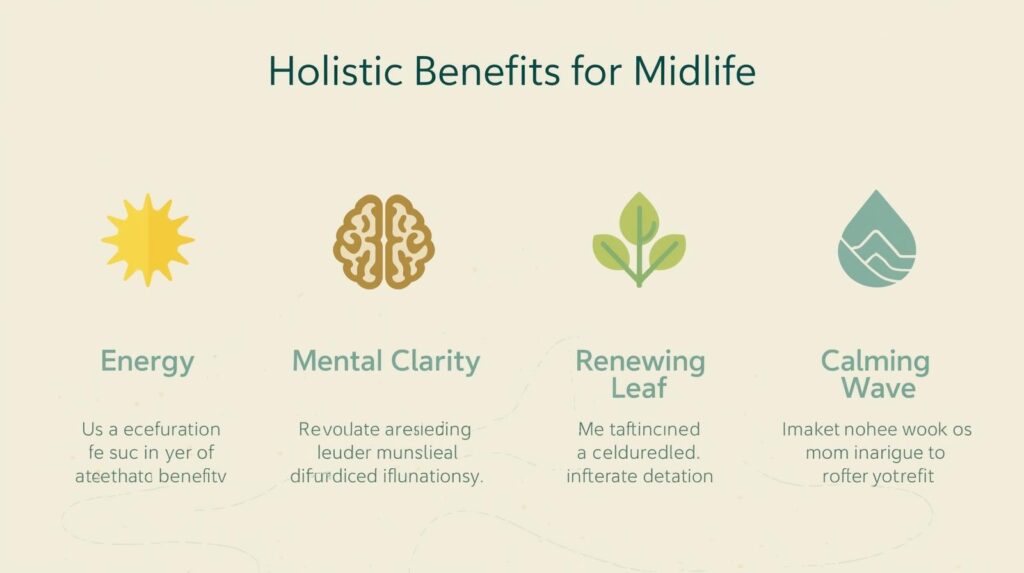
While many are initially drawn to intermittent fasting for weight management, its most profound gifts for women over 40 often lie beyond the number on the scale. When practiced correctly, it can be a cornerstone of holistic well-being. Let’s explore the multifaceted benefits that resonate deeply with the needs of a woman in her prime:
- Enhanced Metabolic Health: Intermittent fasting improves insulin sensitivity, which is crucial as our bodies can become more resistant to insulin with age. This helps your body use blood sugar more effectively, reducing the risk of type 2 diabetes and making it easier to manage weight.
- Hormonal Rebalancing: By regulating insulin, you also create a more stable environment for other hormones. Furthermore, some research suggests that IF can help modulate estrogen levels, which may reduce the risk of estrogen-dominant conditions.
- Cellular Repair and Anti-Aging: This is where autophagy, that cellular “spring cleaning,” shines. By clearing out cellular debris, IF supports healthier skin, improved brain function, and a more resilient body, combating the cellular aging process.
- Increased Energy and Mental Clarity: Say goodbye to the 3 PM slump! Once your body adapts to using fat for fuel, many women report steadier energy levels throughout the day and improved focus and concentration.
- Reduced Inflammation: Chronic, low-grade inflammation is at the root of many age-related diseases. Intermittent fasting has been shown to reduce markers of inflammation, supporting joint health and overall vitality.
- Simplified Lifestyle: The structure of IF can free up mental energy and time. With fewer meals to plan and prepare, you can reduce decision fatigue and create a more mindful relationship with food.
Understanding these unique considerations and benefits is the first step to doing IF safely. If you’re feeling curious about how to tailor these principles to your body’s specific signals and needs, our course, Intermittent Fasting for Life: Sustainable Rhythms for Midlife Wellness (2025), is designed to guide you through that very process.
4. Is Intermittent Fasting Safe for You? A Pre-Fasting Checklist
Before you even think about choosing a fasting schedule, the most important step is to look inward and consult outward. Your safety and well-being are paramount. Intermittent fasting for women over 40 can be a wonderful tool, but it is not for everyone, and certain health conditions require careful consideration and professional guidance. This section is your pre-flight checklist. Please, use it not as a discouragement, but as an act of profound self-care and wisdom.
The golden rule is to always, always speak with your healthcare provider before making significant changes to your eating patterns. This is non-negotiable, especially if you have any pre-existing health conditions. Be specific with your doctor. Tell them you are considering intermittent fasting and discuss the specific protocols you have in mind. A knowledgeable healthcare provider can help you understand how it might interact with your medications (like those for blood pressure or diabetes), your unique health status, and your personal wellness goals. They are your partner in this journey.
To help guide that conversation and your own self-reflection, here is a checklist. If any of the following apply to you, it is essential to get a green light from your doctor before proceeding:
- You are pregnant, breastfeeding, or actively trying to conceive. During these life stages, consistent, nourishing energy is critical for both you and your baby, and fasting is not recommended.
- You have a history of disordered eating. IF can sometimes trigger unhealthy patterns and obsessive thoughts around food for those who are susceptible.
- You have been diagnosed with diabetes (Type 1 or Type 2), especially if you are on insulin or other blood-sugar-lowering medications. Fasting can dramatically affect blood sugar levels and requires meticulous medical supervision to adjust medication and prevent dangerous highs or lows.
- You have adrenal fatigue or consistently high-stress levels (e.g., HPA-axis dysfunction). As we touched on, IF can be an additional stressor on the body, potentially worsening fatigue and hormonal imbalance in this scenario.
- You are underweight (BMI < 18.5) or have a history of nutrient deficiencies. Your body needs a consistent supply of nutrients to function and heal.
- You have a thyroid condition, such as hypothyroidism. While some with well-managed hypothyroidism do well with gentle IF, it’s crucial to monitor symptoms and work with your endocrinologist, as fasting can impact thyroid hormone conversion.
- You are on prescription medications that need to be taken with food. Disrupting your eating schedule can affect the absorption and efficacy of your medication.
If you have the all-clear from your doctor, that’s wonderful! The journey can begin. And if you discover that now might not be the right time, please see it not as a closed door, but as a redirection toward other holistic practices that will support your body beautifully. Remember, the goal of our platform and our course, Intermittent Fasting for Life: Sustainable Rhythms for Midlife Wellness (2025), is always sustainable, safe, and supportive wellness. We begin with safety, so we can build from a place of strength.
5. The 5 Best Intermittent Fasting Schedules for Women Over 40
Finding your rhythm is the art of intermittent fasting. It’s not about forcing your body into the most extreme protocol, but about discovering a pattern that feels sustainable and energizing. For women over 40, we often recommend starting gently and listening intently to your body’s feedback. Here are five schedules, ordered from the most gentle to the more advanced, to help you find your perfect fit.
1. The 12/12 Method: The Gentle Start
This is, without a doubt, the ideal starting point for any woman new to intermittent fasting, especially if you have a sensitive system or are managing high-stress levels. The 12/12 method involves a 12-hour fasting window followed by a 12-hour eating window. For example, you might finish dinner at 7 PM and not eat again until 7 AM the next morning.
For many, this simply means eliminating late-night snacking. This approach is incredibly gentle because it works in harmony with your body’s natural circadian rhythm. It gives your digestive system a solid break overnight, which can improve sleep quality and kickstart mild autophagy, without placing significant stress on your hormones. It’s a foundational habit that you can build upon, or it may be the perfect, sustainable rhythm for you long-term.
2. The 14/10 Method: Finding Your Sweet Spot
Once you feel comfortable with the 12/12 method for a week or two, you may wish to gently extend your fast. The 14/10 method is often described as the “sweet spot” for many women over 40. This schedule involves a 14-hour fast and a 10-hour eating window. A common example would be finishing dinner at 8 PM and breaking your fast at 10 AM the next day.
This extended fast allows for more significant metabolic benefits, including a deeper dive into fat-burning mode and enhanced cellular cleanup, while still being manageable for most. The 10-hour eating window is typically long enough to comfortably fit in two to three nourishing meals without feeling rushed or restricted, making it a highly sustainable option for a busy, vibrant life.
3. The 16/8 Method: The Metabolic Powerhouse
The 16/8 method is one of the most popular and well-researched forms of intermittent fasting. It involves a 16-hour daily fast and an 8-hour eating window, such as eating between 12 PM and 8 PM. This protocol can offer powerful benefits for insulin sensitivity, weight loss, and autophagy. However, for women over 40, this is where we need to proceed with extra awareness. A 16-hour fast can be a significant stressor on the system if your body isn’t ready for it.
We recommend working up to this slowly from a 14/10 schedule. Pay close attention to your energy, your sleep, and your menstrual cycle (if you are still cycling). If you notice increased anxiety, irritability, sleep disturbances, or a change in your cycle, it is a clear sign from your body to pull back to a shorter fasting window. This method can be powerful, but it requires careful listening.
4. Eat-Stop-Eat: The 24-Hour Reset (Proceed with Caution)
This approach, popularized by Brad Pilon, involves one or two 24-hour fasts per week. For example, you might finish dinner at 7 PM on a Tuesday and then not eat again until 7 PM on Wednesday. This is considered a more advanced protocol. For women over 40, we recommend extreme caution with this method. A full 24-hour fast is a significant physiological stressor that can easily tip the scales for cortisol levels. It is generally not recommended for those with high-stress lives, adrenal issues, or hormone imbalances.
If you are intrigued by this concept, it is absolutely essential to have a strong foundation in the gentler methods and to work closely with a healthcare provider or a knowledgeable coach, like those guiding ourIntermittent Fasting for Life: Sustainable Rhythms for Midlife Wellness (2025), to ensure you are supporting your body correctly.
H3: 5. The 5:2 Diet: A Flexible Alternative
The 5:2 diet, developed by Dr. Michael Mosley, involves eating normally for five days of the week while significantly reducing your calorie intake (to around 500-600 calories) on two non-consecutive days. For example, you might have a very light meal on a Tuesday and a Thursday. Some women appreciate the flexibility of this approach, as it doesn’t require daily fasting.
However, the danger for midlife women lies in the “feast or famine” mentality. Those 500-calorie days can be very challenging and, if not done with a focus on nutrient density, can lead to muscle loss and a spike in cortisol. If you choose this method, it is critical to ensure your two low-calorie days are packed with protein, healthy fats, and vegetables, not just empty calories. For most, the daily time-restricted feeding windows like 14/10 or a gentle 16/8 are often more sustainable and less stressful.
6. [Comparison Table]: At-a-Glance Guide to Intermittent Fasting Methods
To help you visualize and compare these different approaches to intermittent fasting for women over 40, we’ve created this simple at-a-glance guide. Remember, the “best” method is the one that feels sustainable and supportive for your unique body and lifestyle.
| Method | Fasting: Eating Hours | Best For… | Key Consideration for Women Over 40 |
|---|---|---|---|
| 12/12 Method | 12 hours fasted / 12 hours eating | Absolute beginners; those with high stress or hormone sensitivity; a great lifelong maintenance rhythm. | The gentlest entry point. Focuses on eliminating nighttime eating and aligning with circadian rhythm. |
| 14/10 Method | 14 hours fasted / 10 hours eating | Most women over 40 seeking a balance of benefits and sustainability; the “sweet spot” protocol. | Offers significant metabolic and cellular benefits without being overly stressful for most. Highly adaptable. |
| 16/8 Method | 16 hours fasted / 8 hours eating | Experienced fasters or those who have adapted well to 14/10; women with stable stress levels. | Requires careful body listening. Can elevate cortisol if introduced too quickly or during times of high stress. |
| Eat-Stop-Eat | 24-hour fast, 1-2x/week | Advanced users under guidance; not generally recommended as a starting point. | A significant stressor on the system. High risk of disrupting hormonal balance and should be approached with extreme caution. |
| The 5:2 Diet | 5 days normal eating / 2 days low-calorie | Those who prefer calorie counting some days over daily time restrictions. | The low-calorie days must be highly nutrient-dense to protect muscle and avoid stressing the body. |
This table underscores a central theme: progress, not perfection. Your journey with intermittent fasting for women over 40 is not a race. It’s perfectly acceptable—and even encouraged—to start with the 12/12 method and stay there if it feels good. You might find that you cycle between a 14/10 on most days and a 12/12 during more stressful weeks. This flexible, intuitive approach is the cornerstone of making intermittent fasting a sustainable part of your life, which is the core philosophy we teach inIntermittent Fasting for Life: Sustainable Rhythms for Midlife Wellness (2025)
7. What to Eat During Your Eating Window: The Midlife Nourishment Plate
Breaking your fast is not a license to eat anything in sight; it’s a sacred opportunity to nourish your body deeply. After a period of rest and renewal, the nutrients you provide become the building blocks for repair, energy, and balance. For women over 40, the quality of your food during your eating window is paramount. Think of your body as a sacred garden—what you plant and nurture will determine what flourishes. The goal is not just to “get full,” but to become vitally nourished. This means focusing on whole, nutrient-dense foods that support your hormonal health, preserve lean muscle mass, and provide sustained energy.
To make this practical, let’s break down the components of the ideal “Midlife Nourishment Plate.” Imagine your plate divided to prioritize the following elements. This isn’t a rigid rule but a helpful visual guide to ensure you’re getting the right balance.
The Power of Protein
Protein is your best friend in midlife. It’s essential for maintaining and building muscle mass (which naturally declines with age), keeping you feeling full and satisfied, and supporting the production of enzymes and hormones. Aim to include a high-quality source of protein with every meal. Excellent choices include:
- Animal-based: Salmon (rich in Omega-3s), eggs, chicken, turkey, and grass-fed beef.
- Plant-based: Lentils, chickpeas, black beans, tofu, tempeh, and quinoa.
A good rule of thumb is to have a portion of protein that is roughly the size of your palm.
Healthy Fats are Your Friends
For years, fat was vilified, but we now know that healthy fats are crucial for hormone production, brain health, and absorbing fat-soluble vitamins (A, D, E, and K). They also provide a slow-burning source of energy. Don’t be afraid of them! Include a source of healthy fat in each meal, such as:
- Avocado
- Olive oil, avocado oil, and coconut oil
- Nuts and seeds (walnuts, almonds, chia seeds, flaxseeds)
- Fatty fish
Smart Carbs for Sustained Energy
Carbohydrates are not the enemy, but the type of carbohydrate is critical. The goal is to choose carbohydrates that release energy slowly, preventing blood sugar spikes and crashes that can worsen hormonal imbalances. Focus on fiber-rich, complex carbohydrates and enjoy them in moderation. Fill a portion of your plate with:
- Non-starchy vegetables: Leafy greens, broccoli, cauliflower, bell peppers, zucchini, and asparagus (these are unlimited!).
- Starchy vegetables and complex carbs: Sweet potatoes, squash, beets, and whole grains like oats and brown rice.
The Non-Negotiables: Fiber and Hydration
Fiber supports healthy digestion, feeds your beneficial gut bacteria, and helps manage cholesterol levels. Hydration is equally critical, as water is involved in every single cellular process in your body. During your eating window, make a conscious effort to:
- Eat the rainbow: A variety of colorful vegetables and some fruits will naturally boost your fiber intake.
- Drink water consistently: Don’t wait until you’re thirsty. Herbal teas, and water with a squeeze of lemon or cucumber are also wonderful options.
By structuring your meals around this “Nourishment Plate” model, you provide your body with the specific tools it needs to thrive during intermittent fasting for women over 40. For personalized meal plans and recipes designed specifically for the midlife metabolism, our course, Intermittent Fasting for Life: Sustainable Rhythms for Midlife Wellness (2025)offers extensive resources and guidance.
8. [Benefit Table]: How Your Body Transforms with Intermittent Fasting
Understanding the science is one thing, but feeling the changes in your daily life is what truly makes a practice sustainable. This table outlines the key benefits of intermittent fasting for women over 40, explaining not just what happens, but how you might actually experience it. Remember, your journey is unique, and these benefits may unfold at different paces.
| Benefit | How Intermittent Fasting Helps | What You Might Notice in Your Life |
|---|---|---|
| Metabolic Shift & Weight Management | Lowers insulin levels, allowing the body to tap into stored fat for energy. Improves insulin sensitivity, so your body uses blood sugar more efficiently. | Stubborn belly fat begins to decrease. You feel less bloated and your clothes fit better. Cravings for sugar and refined carbs diminish. |
| Hormonal Rebalancing | Regulates insulin, which can have a positive cascading effect on other hormones like estrogen. Gives the digestive system a break, reducing the stress on the adrenal glands. | Improved PMS or perimenopausal symptoms like mood swings. More stable energy throughout the day without dramatic crashes. |
| Enhanced Mental Clarity & Focus | Promotes the production of brain-derived neurotrophic factor (BDNF), a protein that supports brain health. Reduces blood sugar swings that can cause “brain fog.” | The 3 PM mental fog lifts. You feel more alert, focused, and productive throughout your workday. You may find it easier to concentrate on tasks. |
| Increased Cellular Repair (Autophagy) | Triggers the body’s cellular “housekeeping” process, clearing out old, damaged cells and recycling their components. | Your skin may look brighter and more vibrant. You may experience a general feeling of “spring cleaning” from within, supporting overall vitality and resilience. |
| Reduced Inflammation | Lowers markers of oxidative stress and inflammation in the body, which are at the root of many chronic age-related conditions. | You might notice less morning stiffness, reduced joint pain, or an improvement in inflammatory skin conditions. A general feeling of being less “achy.” |
| Simplified Lifestyle & Mindful Eating | Creates a clear structure for eating, reducing the number of daily food-related decisions. The eating window naturally encourages more mindful meal preparation and consumption. | You spend less mental energy wondering “what to eat.” You find greater joy and presence in your meals. Your relationship with food becomes more intentional and less reactive. |
As you can see, the journey of intermittent fasting for women over 40 is about so much more than weight loss. It’s a holistic upgrade to your cellular and metabolic health that manifests in tangible, daily improvements to your quality of life. To learn how to maximize these benefits while navigating the nuances of your body’s responses, our comprehensive course,Intermittent Fasting for Life: Sustainable Rhythms for Midlife Wellness (2025), provides the roadmap and support you need.
9. [Sample 1-Day Meal Plan]: A Day of Nourishment on a 14/10 Schedule
Seeing a plan in action can make all the difference between feeling overwhelmed and feeling empowered. This sample day is designed for a 14/10 schedule (for example, eating between 10:00 AM and 8:00 PM), and it meticulously follows the “Midlife Nourishment Plate” principles. It’s rich in protein, healthy fats, fiber, and phytonutrients to support hormonal balance, sustain energy, and promote deep satisfaction. Remember, this is a template to inspire you, not a rigid prescription—feel free to adjust portions and swap foods based on your preferences and what’s available to you.
| Time | Meal | Food Ideas & Notes |
|---|---|---|
| 10:00 AM (Breaking the Fast) | Nourishing Breakfast | 2-Egg Veggie Scramble: Sauté spinach, mushrooms, and bell peppers in olive oil. Add two eggs, scrambling until cooked. Serve with 1/4 avocado sliced on top. Why it works: The protein and fat from the eggs and avocado break your fast gently, preventing a blood sugar spike and providing sustained energy for hours. |
| 1:30 PM | Satisfying Lunch | Large Leafy Green Salad with Grilled Chicken: A big bed of mixed greens topped with 4oz grilled chicken breast, cherry tomatoes, cucumber, and a tablespoon of pumpkin seeds. Dress with a simple vinaigrette of olive oil, lemon juice, and herbs. Why it works: This meal is a powerhouse of protein, fiber, and micronutrients. The volume of greens is deeply nourishing and hydrating, while the chicken and seeds keep you full. |
| 4:00 PM (Optional) | Balanced Snack | Apple Slices with Almond Butter: One small apple sliced and served with 1-2 tablespoons of natural almond butter. Why it works: If you feel a dip in energy or hunger before dinner, this snack provides a perfect mix of fiber, healthy fat, and a touch of natural sugar to carry you through. |
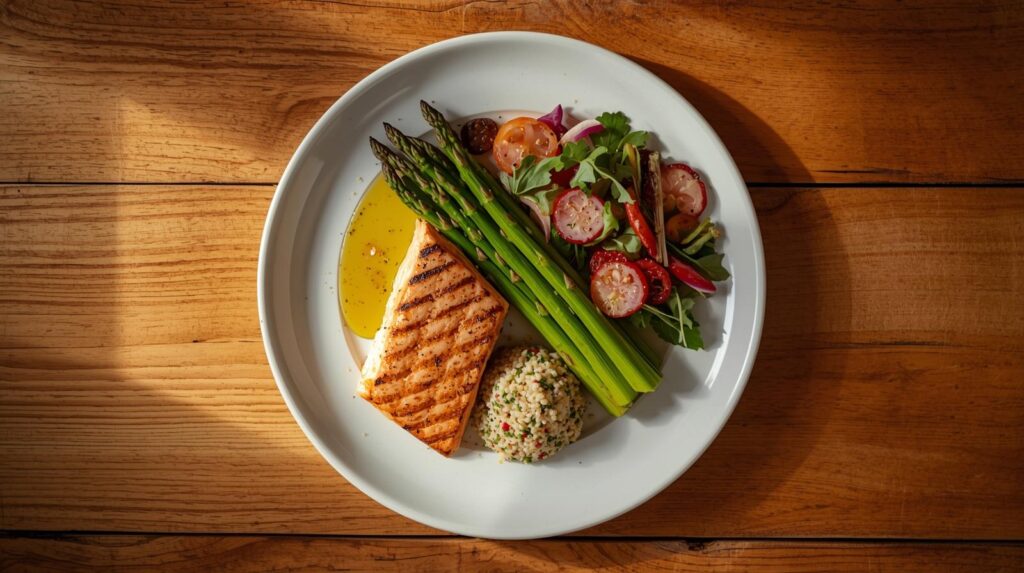
| 7:00 PM | Hearty & Early Dinner | Baked Salmon with Roasted Asparagus and Quinoa: A 4-5oz fillet of salmon (rich in Omega-3s) baked with lemon and dill. Serve with a generous portion of roasted asparagus and a 1/2 cup serving of cooked quinoa. *Why it works: This is the ultimate trifecta for midlife wellness: high-quality protein and fat from the salmon, fiber and nutrients from the asparagus, and a complex carb from the quinoa to support sleep and recovery. Finishing your last meal 2-3 hours before bed supports digestion and sleep quality.* |
Hydration is Key Throughout the Day:
- During Fasting Window (8 PM – 10 AM): Water, black coffee, or unsweetened herbal tea.
- During Eating Window (10 AM – 8 PM): Continue with water and herbal tea. You can also have mineral water or water with a squeeze of lemon.
This sample day demonstrates that eating within a structured window does not mean deprivation. It’s about making every bite count. For a full library of meal plans, recipes, and guidance on how to adjust your nutrition for your specific needs and fasting schedule, our course, Intermittent Fasting for Life: Sustainable Rhythms for Midlife Wellness (2025), offers an extensive resource library to support your journey with intermittent fasting for women over 40.
10. The Top 5 Intermittent Fasting Mistakes Women Make (And How to Avoid Them)
Embarking on a new wellness path is exciting, but it’s also common to hit a few bumps along the way. The goal isn’t to be perfect, but to be aware. By understanding these common missteps in intermittent fasting for women over 40, you can navigate your journey with more grace, avoid unnecessary frustration, and set yourself up for long-term success. Think of this not as a list of “don’ts,” but as a friendly guide from someone who’s been there, designed to save you time and energy.
Mistake #1: Jumping in Too Fast
The Scenario: You read about the amazing results from a 16/8 fasting schedule and decide to start there on day one, going from a pattern of all-day grazing to a strict 8-hour window overnight.
Why It’s a Problem: This is a major shock to your system, especially for a body already navigating hormonal shifts. An overly aggressive start is perceived as a significant stressor, which can spike cortisol levels. High cortisol promotes belly fat storage, disrupts sleep, and can throw your hormones further out of balance, working directly against your goals.
The Solution: Start low and go slow. Begin with the gentle 12/12 method for at least one to two weeks. Once that feels effortless, gradually extend your fasting window by 30-minute increments every few days until you find a sweet spot (like 14/10) that feels sustainable. Patience is your greatest ally here.
Mistake #2: Not Eating Enough Nutrient-Dense Food
The Scenario: You’re so focused on the “when” of eating that you pay less attention to the “what.” You might break your fast with a processed snack or eat meals that are too small and lack substance.
Why It’s a Problem: During your eating window, your body is desperate for high-quality materials to repair cells, produce hormones, and fuel your energy. If you provide low-nutrient food or insufficient calories, your body will start breaking down muscle for energy, your metabolism can slow down in self-preservation, and you’ll feel tired, irritable, and hungry.
The Solution: Prioritize the “Midlife Nourishment Plate” at every meal. Ensure you are eating until you are satisfied, not just full, and that each meal contains a robust source of protein, healthy fats, and fiber-rich vegetables. Your body needs this deep nourishment to thrive.
Mistake #3: Drinking the Wrong Things During the Fast
The Scenario: During your fasting window, you drink a latte with milk and sugar, a diet soda, or a sweetened “zero-calorie” beverage, thinking the calories are negligible.
Why It’s a Problem: Anything that provokes an insulin response, even artificially sweetened drinks for some people, can break your fast and pull you out of the fat-burning, autophagy-triggering state you’re working to achieve. The goal of the fast is to give your insulin levels a complete and extended break.
The Solution: Stick to plain, still, or sparkling water, black coffee, and unsweetened herbal teas (like peppermint or rooibos) during your fasting hours. If you need a little flavor, a squeeze of lemon or lime in your water is generally fine. When in doubt, ask: “Will this trigger an insulin response?”
Mistake #4: Ignoring Your Body’s Signals
The Scenario: You feel dizzy, excessively weak, shaky, or unwell during a fast, but you push through because the schedule says you have two more hours to go.
Why It’s a Problem: Your body is communicating with you. These are not signs of “success”; they are distress signals. Pushing through genuine hunger or adverse symptoms is another form of stress that can be counterproductive and even dangerous.
The Solution: Practice intuitive fasting. If you feel unwell, break your fast. Listen to your body above all else. Some days you may need a 12-hour fast, other days you can easily do 14. Your menstrual cycle can also affect your needs—you may need a shorter fasting window in the week before your period. Honor that. This flexible approach is a core tenet of our philosophy in the Intermittent Fasting for Life: Sustainable Rhythms for Midlife Wellness (2025).
H3: Mistake #5: Being Impatient with Results
The Scenario: You’ve been practicing intermittent fasting for women over 40 for two weeks and the scale hasn’t budged, so you get discouraged and quit.
Why It’s a Problem: Midlife bodies don’t change as quickly as they did in our 20s. Your body is first focusing on internal rebalancing—regulating hormones, reducing inflammation, improving cellular function—before it lets go of extra weight. The non-scale victories are just as, if not more, important.
The Solution: Shift your focus from the scale to other markers of progress. Celebrate having steady energy all day, clearer skin, better sleep, reduced bloating, or mental clarity. Trust the process. Sustainable change takes time, often 8-12 weeks to see significant metabolic and hormonal shifts. Be kind and patient with your incredible body.
11. Intermittent Fasting and Your Hormones: A Deep Dive into Balance
When we talk about intermittent fasting for women over 40, we are, at its core, talking about hormones. Your hormones are the master conductors of your metabolism, mood, energy, and overall well-being. The powerful shifts of perimenopause and menopause are a result of changing hormonal landscapes. The beauty of a well-practiced intermittent fasting routine is that it can directly and positively influence these key hormonal conversations, helping to bring your system back into a state of graceful balance.
Cortisol and Stress Management
Cortisol, your primary stress hormone, demands our attention first. In acute bursts, it’s life-saving. But chronic, elevated cortisol—from life stress, poor sleep, or an overly aggressive fasting routine—is a primary driver of midlife weight gain, especially around the abdomen. It can also disrupt sleep, increase anxiety, and impair thyroid function.
This is why the “start gentle” message is so critical. A fasting schedule that is too long or too rigid is perceived by the body as a stressor, adding fuel to the fire. The goal of intermittent fasting for women over 40 is to reduce overall stress on the body, not increase it. By choosing a gentle schedule, you avoid spiking cortisol and instead, over time, can help regulate its diurnal rhythm, leading to a calmer nervous system and better resilience to daily stressors.
Insulin Sensitivity: Your Metabolic Key
Insulin is the hormone that tells your cells to take in glucose (sugar) from your blood for energy. As we age, our cells can become “resistant” to insulin’s message, meaning more and more insulin is needed to do the same job. This insulin resistance is a cornerstone of weight gain, pre-diabetes, and metabolic syndrome.
Intermittent fasting is one of the most powerful tools to combat this. By creating a long, daily period without food intake, you give your body a break from constant insulin secretion. This extended low-insulin state allows your cells to “reset” and become more sensitive to insulin again. Improved insulin sensitivity means your body is better at using the food you eat for energy rather than storing it as fat, making weight management easier and providing more stable energy levels throughout the day.
Supporting Estrogen and Progesterone
The relationship between intermittent fasting and sex hormones like estrogen and progesterone is complex and nuanced. The primary benefit often comes indirectly through the improvement in insulin sensitivity. High insulin levels can drive a condition known as estrogen dominance (a relative excess of estrogen to progesterone), which is common in perimenopause and is linked to heavy periods, fibroids, and breast tenderness.
By lowering insulin, intermittent fasting can help create a more favorable estrogen-to-progesterone balance. Furthermore, by promoting a healthy body composition (reducing excess fat tissue, which produces estrogen), IF can further support hormonal equilibrium. It’s important to note that more research is needed, and the key, as always, is a gentle approach. Severe calorie restriction or prolonged fasting can be perceived as a stressor that may negatively impact the already delicate hypothalamic-pituitary-ovarian axis during midlife.
Understanding this hormonal interplay empowers you to make choices that support your entire system. It’s not just about when you eat; it’s about creating an internal environment where your hormones can function optimally. For a personalized plan that takes your unique hormonal picture into account, the guidance in our course, Intermittent Fasting for Life: Sustainable Rhythms for Midlife Wellness (2025), can be invaluable. We help you interpret your body’s signals and adjust your fasting rhythm for optimal hormonal harmony.
12. Your Intermittent Fasting Toolkit: Tips for Success
Embarking on your journey with intermittent fasting for women over 40 is so much more than just watching the clock. It’s about weaving a new rhythm into the fabric of your life with kindness and practicality. This toolkit is filled with actionable strategies to help you navigate the day-to-day, making your experience not just successful, but truly enjoyable and sustainable. Think of these as your trusted companions on the path to renewed vitality.
Start Slow and Listen to Your Body
We’ve said it before, but it deserves to be the first tool in your kit: honor your body’s pace. Your body has been your loyal partner for decades; it communicates with you constantly. The goal is to become a keen listener. If you feel great on a 14-hour fast, but notice you feel weak and irritable at 16 hours, honor that. Your perfect schedule is the one that leaves you feeling energized and strong, not drained.
Your needs may even change from day to day or week to week, especially in sync with your menstrual cycle. This isn’t a sign of failure; it’s a sign of wisdom. Embrace the flexibility to shorten your fast on a high-stress day or when you need more fuel. This practice of intuitive fasting is the cornerstone of making it a lifelong practice.
Stay Hydrated with More Than Just Water
Hydration is your secret weapon for managing hunger and supporting every cellular function during your fast. But it doesn’t have to be boring! While plain water is essential, you can create a repertoire of fasting-friendly beverages to keep things interesting and provide additional support. Here are some excellent options to have on hand:
- Sparkling Water: The fizz can provide a satisfying sensation that helps curb hunger pangs.
- Herbal Teas: Peppermint tea can soothe the digestive system, ginger tea can ease nausea, and rooibos tea is rich in antioxidants.
- A Pinch of High-Quality Sea Salt: Adding a tiny pinch of sea salt to your water can help maintain electrolyte balance, which is crucial for energy and preventing dizziness, especially in the beginning.
- Black Coffee: A cup of black coffee is fine for most and can be an appetite suppressant. Just be mindful, as too much caffeine can elevate cortisol for some.
Manage Your Stress (It’s Crucial!)
This might be the most important tool in your kit. If intermittent fasting is adding to your stress load, it’s counterproductive. Since high cortisol can directly oppose the benefits of IF, integrating daily stress-management practices is non-negotiable. This isn’t a luxury; it’s a vital part of the protocol. Consider weaving in one or two of these practices each day:
- 5-10 minutes of deep belly breathing or meditation.
- A gentle walk in nature, without any other goal.
- Journaling to process your thoughts and feelings.
- A restorative yoga session or gentle stretching.
Combine with Gentle Movement
Exercise is a powerful partner to intermittent fasting for women over 40, but the type and timing matter. Strenuous, high-intensity workouts while in a fasted state can, again, spike cortisol. Instead, focus on movement that builds strength, mobility, and resilience without overtaxing your system. A great approach is to schedule more intense workouts for the beginning of your eating window, after you’ve broken your fast with a small meal. During your fasting window, opt for:
- Brisk walking
- Yoga or Pilates
- Light cycling
- Strength training with moderate weights (listening closely to your energy levels)
Track Your Non-Scale Victories
Liberate yourself from the tyranny of the scale! While weight loss might be a goal, it’s a lagging indicator and can be discouraging. Instead, focus on the leading indicators—the “non-scale victories” (NSVs) that prove you’re on the right path. Keep a mental or written log of these wins. They are the true measure of your success with intermittent fasting for women over 40. Celebrate when you notice:
- Your jeans feel looser.
- You wake up feeling refreshed, without an alarm.
- Your skin looks clearer and brighter.
- You have steady energy all afternoon.
- Your sugar cravings have vanished.
- You feel a sense of mental clarity and focus.
By using these tools, you’re not just “doing a fast”—you’re cultivating a lifestyle. For ongoing support, community, and personalized guidance on this journey, remember that our course, Intermittent Fasting for Life: Sustainable Rhythms for Midlife Wellness (2025), is always here for you.
13. Conclusion: Your Journey to Sustained Vitality Starts Here
As we come to the end of this guide, take a moment to acknowledge yourself. By exploring the world of intermittent fasting for women over 40 with an open heart and a curious mind, you have taken a powerful step toward prioritizing your well-being. You’ve absorbed a wealth of information on how this practice can harmonize with your body’s changing needs, support your hormonal health, and unlock a new level of energy and clarity. Remember, this journey is not about achieving perfection or adhering to a rigid set of rules imposed from the outside. It is about discovering the unique, sustainable rhythm that makes your body and spirit feel truly nourished, vibrant, and alive.
The path of intermittent fasting is one of the most profound lessons in self-trust you can undertake. It invites you to quiet the noise of external advice and tune into the gentle, yet powerful, wisdom of your own body. Some days you will feel strong and capable, easily moving through your fasting window. Other days, your body will ask for more grace, more nourishment, and a gentler pace. Each of these days is a teacher. There is no failure here, only feedback. Every time you choose to listen and respond with kindness, you strengthen that sacred connection with yourself, building a foundation of health that is resilient and deeply personal.
You now have the map—the knowledge of different schedules, the importance of nutrient-dense eating, the tools for success, and the awareness of common pitfalls. You understand that this is a holistic practice, intertwined with stress management, joyful movement, and mindful hydration. You are equipped not with a quick fix, but with a new lens through which to view your health—one of patience, curiosity, and profound self-respect. The door to a new relationship with your body and your energy is open. All that’s left is to take that first, gentle step across the threshold.
15. [Course CTA Section]: Ready to Find Your Perfect Fasting Rhythm? Join Our Course!
Reading a guide is a wonderful start, but embodying a new lifestyle is where the true transformation happens. If you’re feeling inspired but also wondering how to piece all this information together into a plan that feels perfectly tailored to you, you are not alone. Navigating perimenopause, menopause, and the unique metabolic shifts of midlife can feel complex, and having a guide makes all the difference.
This is exactly why we created our comprehensive course. Intermittent Fasting for Life: Sustainable Rhythms for Midlife Wellness. Inside, you’ll find a supportive community and a structured pathway that moves you from theory to confident practice. We go far beyond the basics to provide you with:
- Personalized Fasting Protocols: Discover how to adjust your fasting window based on your cycle, stress levels, and unique hormonal picture.
- Delicious, Simple Meal Plans: Get access to a library of recipes and meal plans designed specifically for the midlife metabolism, taking the guesswork out of “what to eat.”
- Expert Guidance and Support: Learn directly from holistic health instructors who understand the nuances of women’s health and are here to answer your questions.
- A Community of Like-Minded Women: Connect with other women on the same journey, sharing struggles, celebrating victories, and building each other up.
You don’t have to figure it out alone. If you’re ready to move from curiosity to confident action and build a fasting practice that feels less like a diet and more like a natural, empowering part of your life, we are here to walk with you.
Click here to learn more and enroll in Intermittent Fasting for Life: Sustainable Rhythms for Midlife Wellness (2025)
today. Your future, vibrant self is waiting to greet you.
Your Top Intermittent Fasting Questions, Answered
It’s completely normal to have questions as you consider integrating intermittent fasting for women over 40 into your life. This section is dedicated to answering some of the most common queries we receive, with clear, honest, and supportive answers to help you feel confident and informed.
Q1: Can I drink coffee or tea during my fasting window?
A: Yes, you can! Plain black coffee and unsweetened herbal teas (like peppermint, rooibos, or green tea) are excellent choices during your fast. They can help suppress appetite and provide a gentle energy boost. The key is to avoid adding anything that contains calories or can spike your insulin, such as milk, cream, sugar, or artificial sweeteners. A dash of cinnamon is a great way to add flavor without breaking your fast.
Q2: What if I feel dizzy, shaky, or get a headache?
A: Please listen to your body! These are clear signals that you need to adjust. First, ensure you are drinking plenty of water with a pinch of sea salt to maintain electrolytes. If the symptoms persist, break your fast with a small, balanced snack containing protein and fat, like a handful of nuts or a hard-boiled egg. These symptoms often occur in the beginning as your body adapts to using fat for fuel, but they can also mean your current fasting window is too long. There is no shame in shortening your fast; it’s a sign of wisdom.
Q3: Will intermittent fasting slow down my metabolism?
A: When done correctly, the opposite is true. Prolonged, severe calorie restriction can slow metabolism, but intermittent fasting is different. Studies show that short-term fasting (like the 12-16 hour windows we recommend) can actually boost your metabolic rate slightly as it increases norepinephrine levels. The key is to ensure you are eating enough nutrient-dense food during your eating window to fuel your body and signal that resources are plentiful.
Q4: I have hypothyroidism. Can I still practice intermittent fasting?
A: This requires careful consideration and a conversation with your healthcare provider. For some with well-managed hypothyroidism, gentle intermittent fasting (like 12/12 or 14/10) can be beneficial for weight management and insulin sensitivity. However, it’s crucial to monitor your symptoms and energy levels closely. IF can sometimes affect the conversion of the inactive thyroid hormone (T4) to the active one (T3). If you have adrenal fatigue alongside thyroid issues, a more cautious approach is essential. Always work with your doctor.
Q5: How long will it take to see results?
A: This varies for everyone, but it’s important to manage expectations. Some non-scale victories, like improved energy and mental clarity, can appear within the first week or two. Weight loss and significant changes in body composition take longer, often 4-8 weeks, as your hormones and metabolism recalibrate. Remember, this is a marathon, not a sprint. Patience and consistency are your greatest allies. Focus on how you feel, not just the scale.
Q6: Can I do intermittent fasting every day?
A: Many women find a daily time-restricted eating window (like 14/10) to be the most sustainable approach. It becomes a natural part of their daily rhythm. However, it’s perfectly acceptable—and even encouraged—to have more flexible days. Listen to your body. If you have a particularly stressful day, are sick, or are just feeling run down, returning to a 12-hour window or taking a day off from fasting is a healthy, intuitive choice.
Q7: What is the best time of day for my eating window?
A: Aligning your eating window with your body’s natural circadian rhythm is often most effective. This means having an earlier eating window, such as from 8 AM to 6 PM or 10 AM to 8 PM, is generally recommended. Finishing your last meal at least 2-3 hours before bedtime supports better sleep quality and allows your body to focus on repair overnight. However, the “best” time is the one that fits your lifestyle and allows you to be consistent.
Q8: Will I lose muscle mass?
A: This is a common concern. To preserve precious muscle mass, two things are critical: 1) Consume adequate protein during your eating window. Aim to include a high-quality protein source in every meal. 2) Incorporate strength training into your weekly routine. Activities like lifting weights, using resistance bands, or bodyweight exercises signal to your body that it needs to maintain muscle. When you follow these steps, intermittent fasting can help you lose fat while preserving muscle.






Responses