
Culinary Herbalism for Beginners: Your Effortless Guide to a Calmer, More Nourishing Kitchen (2025)

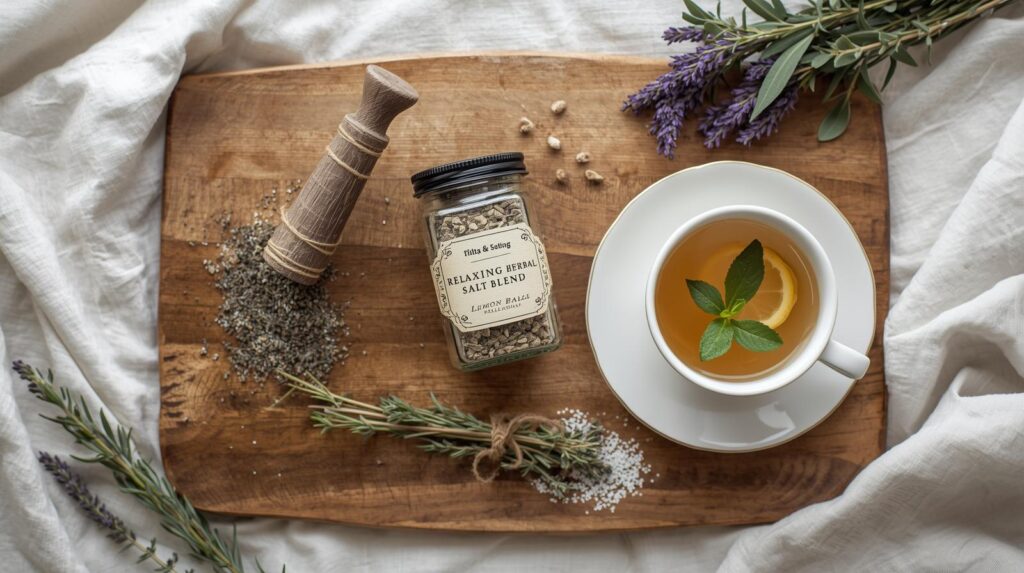
More Than Just a Garnish – Rediscovering Food as Medicine
Culinary Herbalism for Beginners:
Imagine this: it’s been a long day. The to-do list is still echoing in your mind, and the thought of figuring out dinner feels like just another item on that list. You open the fridge and the cupboard, feeling that familiar low-level stress. Now, imagine a different scenario. You reach for a simple jar of dried herbs, and as you sprinkle them into a pot of simmering soup, you’re not just adding flavor—you’re adding a whisper of calm, a promise of nourishment that goes beyond basic nutrition. This, in its simplest form, is the heart of culinary herbalism.
For too long, we’ve viewed herbs as mere decorative garnishes or flavor enhancers. A sprig of parsley on the side of a plate, a dusting of paprika for color. But what if I told you that your spice rack is actually a miniature pharmacy? What if the very act of cooking could be transformed from a stressful chore into a deeply nurturing and calming ritual? This is the beautiful, accessible world of culinary herbalism, and it is waiting for you to open its door.
Culinary herbalism is the ancient, yet perfectly modern, practice of using everyday herbs and spices as food and medicine. It’s about recognizing that the line between our kitchen and our apothecary is an artificial one. For middle-aged women navigating the beautiful complexity of life, careers, and family, this practice offers a profound sense of agency over your own well-being. It’s a return to simplicity, to intuition, and to the powerful knowledge that you can care for yourself and your loved ones with the simple, intentional ingredients you already have on hand.
This guide is designed to be your first, gentle step into this world. We will walk together through the fundamentals, demystifying the jargon and replacing it with practical, joyful steps you can take today. My goal is to empower you to see your kitchen not as a source of stress, but as a sanctuary for creating calm and vitality. And for those of you who feel the call to dive deeper, this journey naturally leads to our comprehensive online course, Calm & Nourish: A Culinary Herbalism Guide to Stress-Free Cooking, where we explore stress-free cooking in a supportive, community-driven environment. Let’s begin.
What is Culinary Herbalism? A Beginner’s Definition
Beyond Seasoning: The Philosophy of Food as Medicine
At its core, culinary herbalism is the art and science of using edible plants—herbs, spices, roots, and flowers—to enhance the flavor of our food while simultaneously supporting our health and well-being. It’s a holistic approach that asks us to think not just, “What will taste good?” but also, “What will make me feel good?” It’s the understanding that a cup of chamomile tea isn’t just a pleasant beverage; it’s a gentle nervine calming your nervous system after a hectic afternoon. It’s knowing that adding a generous handful of fresh rosemary to your roasted potatoes isn’t just about aroma; it’s about incorporating a herb known to support circulation and cognitive function.
This philosophy is deeply intuitive. Think about the warmth you feel from a ginger tea when you have a chill, or the soothing effect of peppermint on an upset stomach. Culinary herbalism simply expands on this innate wisdom, giving you a framework and a vocabulary to use these plants more consistently and effectively. It’s not about complicated formulas or drastic overhauls. It’s about the cumulative, gentle power of small, daily choices—a sprinkle of this in your salad, an infusion of that in your water—that, over time, build a foundation of resilient health.
How Culinary Herbalism Differs from Medicinal Herbalism
It’s natural to wonder how this practice differs from what you might picture when you hear “herbalism.” While they are siblings in the world of plant medicine, their focus and application are distinct. Understanding this difference is key to feeling confident and safe as a beginner.
The following table highlights the key distinctions:
| Feature | Culinary Herbalism | Medicinal Herbalism |
|---|---|---|
| Primary Focus | Food, flavor, and daily wellness support. | Treating specific ailments and conditions. |
| Dosage & Potency | Generally food-grade amounts; low, frequent doses. | Often uses concentrated extracts (tinctures, capsules); higher, therapeutic doses. |
| Mindset | Nourishment, prevention, and joy. | Diagnosis, protocol, and treatment. |
| Daily Use | Integrated seamlessly into meals and drinks. | Often taken as a separate supplement. |
| Best For | Building long-term health, managing daily stress, and enhancing the joy of eating. | Addressing acute issues like a persistent cough, a specific infection, or chronic pain. |
As a beginner, culinary herbalism is your safest and most rewarding starting point. It allows you to build a relationship with plants in your kitchen, where you are already comfortable and creative. It’s the perfect foundation, and for many, it becomes a complete practice in itself. To truly embody this practice and learn to craft meals that are both delicious and deeply supportive, our course Calm & Nourish: A Culinary Herbalism Guide to Stress-Free Cooking provides the structure and inspiration you need to move from theory to joyful practice.
Why Your Kitchen Needs This: The Life-Changing Benefits of Cooking with Herbs
From Stressful to Stress-Free: How Herbs Transform Cooking and Eating
Let’s be honest: the modern kitchen can be a source of pressure. The need to get a healthy, tasty meal on the table, night after night, can feel like a relentless demand. Culinary herbalism offers a powerful shift in perspective, turning cooking from a chore into a creative, sensory, and deeply therapeutic act. Imagine chopping fresh basil and inhaling its uplifting aroma, knowing you’re about to create a dish that will not only feed your family but also calm their spirits.
Or stirring a pot of soup infused with thyme, understanding that you’re supporting everyone’s resilience. This mindful approach to food preparation is, in itself, a profound antidote to stress. You are no longer just a cook; you are a nurturer, an alchemist of well-being. This is the essence of what we teach in Calm & Nourish: A Culinary Herbalism Guide to Stress-Free Cooking—how to find joy and calm in the process, not just the outcome.
The benefits of this practice extend far beyond the delicious flavors you’ll create. By weaving culinary herbs into your daily life, you are engaging in a gentle, sustainable form of self-care that supports your body’s innate wisdom. The magic lies in the phytochemicals—the active compounds within the plants. These aren’t mysterious or foreign substances; they are the very lifeblood of the plant, and they work in harmony with our own bodies. For middle-aged women, this is particularly powerful, as it offers natural support for the unique shifts in hormones, energy, and stress resilience that this phase of life brings. It’s a way of honoring your body with every single bite.
To give you a clear picture of the powerful impact these kitchen allies can have, here is a table outlining some of the most sought-after benefits and the key herbs that provide them:
| Benefit | Key Culinary Herbs | How They Help |
|---|---|---|
| Reduces Stress & Anxiety | Lavender, Lemon Balm, Holy Basil (Tulsi), Chamomile | These herbs are known as “nervines” or “adaptogens.” They help calm the nervous system, lower cortisol levels, and promote a sense of peaceful alertness. |
| Supports Digestive Health | Peppermint, Ginger, Fennel, Dill, Rosemary | Known as “carminatives,” these herbs help relax the digestive tract, reduce bloating and gas, and stimulate the production of digestive enzymes. |
| Boosts Immune Function | Thyme, Oregano, Sage, Garlic, Rosemary | Packed with antimicrobial and antioxidant compounds, these herbs help your body fend off common illnesses and reduce inflammation. |
| Enhances Cognitive Function | Rosemary, Sage, Turmeric, Ginkgo (in tea) | These herbs can improve circulation to the brain, protect neurons from oxidative stress, and have been linked to improved memory and focus. |
| Promotes Healthy Inflammation Response | Turmeric, Ginger, Rosemary, Oregano, Cinnamon | Their potent anti-inflammatory compounds can help manage the low-grade inflammation associated with aging, stress, and chronic conditions. |
A Deeper Look at a Calmer, More Nourished You
Let’s explore a few of these life-changing benefits in more detail, with simple, real-life examples you can connect with.
- You Will Cultivate Calm in the Midst of Chaos. This is perhaps the most immediate gift of culinary herbalism. Instead of reaching for another cup of coffee when you’re feeling wired and tired, you can brew a cup of tulsi tea. The act of stopping to prepare the tea is a mindfulness practice in itself. As you sip it, the adaptogenic properties of the holy basil begin to help your body better manage the physiological effects of stress, bringing you back to center. In our course, Calm & Nourish: A Culinary Herbalism Guide to Stress-Free Cooking, we dedicate entire modules to creating these “rituals of calm” that fit seamlessly into a busy day.
- You Will Transform Your Digestive Wellness. As our metabolism and digestive fire can change with age, many women experience more digestive discomfort. Culinary herbalism offers delicious solutions. A sprinkle of fennel seeds on your roasted vegetables or a few slices of fresh ginger in your stir-fry can make a world of difference. These herbs don’t just add flavor; they actively support your body’s ability to break down food and absorb nutrients efficiently, leaving you feeling light and comfortable after meals.
- You Will Become the Architect of Your Family’s Health. There is an incredible sense of empowerment that comes from knowing you can proactively support your family’s well-being. Using a generous amount of thyme and oregano in your pasta sauce isn’t just about Italian flavor; it’s about incorporating nature’s protective agents. Building a foundational level of health through daily, food-based herbs means you’re strengthening your body’s defenses long before any bug has a chance to take hold. This is preventive medicine at its most delicious and accessible.
The beauty of this path is that you don’t need to overhaul your entire life to reap these rewards. It starts with one herb, one meal, one mindful moment at a time. Are you ready to meet the plant allies that will help you achieve this? Let’s introduce you to your new kitchen companions.
Your Starter Kit: 10 Essential Calming Herbs to Begin Your Journey
Meet Your New Kitchen Allies
Welcome to the most exciting part of your beginner’s journey: meeting the plants! This is not an exhaustive list of every herb in the world, but a carefully curated collection of ten gentle, effective, and widely accessible herbs. These are your foundational allies, chosen for their calming, stress-relieving properties and their ease of use in the kitchen. Think of this as building your core team. You’ll get to know their unique “personalities,” their flavors, and their strengths.
Remember, the goal is familiarity, not mastery. Start by picking one or two that call to you, and let the relationship unfold naturally from there. In our comprehensive course,Calm & Nourish: A Culinary Herbalism Guide to Stress-Free Cooking, we explore each of these allies in depth, with dozens of recipes and techniques to help you build true confidence.
Here is your essential starter kit of calming herbs:
- Lemon Balm: If sunshine could be captured in a leaf, it would be lemon balm. This member of the mint family is a quintessential “gladdening the heart” herb.
- Flavor Profile: Bright, lemony, and mildly sweet with a hint of mint.
- Key Calming Properties: A gentle nervine that eases anxiety and tension without causing drowsiness. It’s wonderful for soothing a worried mind and lifting the spirits.
- Super-Simple Use: Steep a generous handful of fresh leaves (or a tablespoon of dried) in hot water for 5-7 minutes to make a refreshing, calming tea that’s perfect for a stressful afternoon.
- Holy Basil (Tulsi): Revered in India as “The Incomparable One,” Tulsi is a powerful adaptogen, meaning it helps your body adapt to and cope with the effects of stress.
- Flavor Profile: Complex and aromatic—a little peppery, a little clove-like, with a subtle minty freshness.
- Key Calming Properties: It helps normalize cortisol levels, reduce feelings of being overwhelmed, and promote a sense of focused calm.
- Super-Simple Use: Brew it as a simple tea on its own, or mix it with black tea for a less jittery caffeine experience. It’s a daily tonic for resilience.
- Lavender: While often associated with soaps and sachets, culinary-grade lavender is a magnificent kitchen herb. Its power is in its potent aroma and gentle sedative qualities.
- Flavor Profile: Floral, slightly sweet, and herbaceous. A little goes a very long way.
- Key Calming Properties: It’s a classic nervous system relaxant, excellent for soothing irritability, easing headaches caused by tension, and preparing the body for rest.
- Super-Simple Use: Add a tiny pinch (1/4 teaspoon or less) of dried culinary lavender to your shortbread cookie dough or lemon cake batter for an elegantly calming treat.
- Chamomile: This is the quintessential “comfort blanket” in herb form. Its gentle nature makes it a perfect first herb for anyone, especially in the evening.
- Flavor Profile: Sweet, apple-like, and mildly floral.
- Key Calming Properties: A gentle nervine and mild sedative, it’s perfect for quieting a racing mind, soothing frazzled nerves, and encouraging restful sleep. It’s also wonderful for calming an upset stomach, especially when stress-related.
- Super-Simple Use: A simple cup of tea is its most famous form. For a twist, let the tea cool and use it as the liquid in your morning oatmeal for a soothing start to the day.
- Peppermint: Far more than just a breath freshener, peppermint is a powerful carminative and a refreshing nervine that can clear mental fog and lift fatigue.
- Flavor Profile: Bright, cool, and intensely minty.
- Key Calming Properties: It calms the digestive system, which is often called the “second brain.” By easing stomach cramps and bloating, it has a direct and calming effect on your overall sense of well-being. Its invigorating scent can also help combat stress-induced fatigue.
- Super-Simple Use: Brew a strong cup of peppermint tea after a heavy meal, or finely chop fresh leaves and stir into dark chocolate melted for a quick, refreshing bark.
- Rosemary: This robust, woody herb is as good for your brain as it is for your roasted potatoes. It’s a circulatory stimulant that brings warmth and clarity.
- Flavor Profile: Piney, sharp, and slightly peppery.
- Key Calming Properties: While not sedating, rosemary is calming for the mind because it helps improve focus and memory while reducing mental fatigue. It’s for when stress manifests as brain fog or feeling scattered.
- Super-Simple Use: Make a simple rosemary-infused olive oil by gently warming olive oil with a few sprigs of fresh rosemary. Drizzle over bread, soups, or grilled vegetables.
- Thyme: This humble garden herb is a powerhouse of antimicrobial compounds and has a gentle, fortifying energy that can be deeply comforting during times of stress.
- Flavor Profile: Earthy, slightly minty, and lemony with a subtle floral note.
- Key Calming Properties: It supports the immune system, which can be weakened by chronic stress. There is a deep comfort in a bowl of thyme-infused soup when you’re feeling run down, which is a form of stress in itself.
- Super-Simple Use: Add several whole sprigs to a pot of beans, soups, or stews while they simmer. Remove the woody stems before serving.
- Oregano: Like thyme, oregano is a robust immune supporter. Its strong, familiar flavor carries potent calming benefits for the entire system by helping to reduce inflammation.
- Flavor Profile: Pungent, earthy, slightly bitter, and warming.
- Key Calming Properties: Its primary calming action comes from its potent antioxidant and anti-inflammatory properties. By helping to manage systemic inflammation, which is often heightened by stress, it supports your body’s overall capacity to stay balanced.
- Super-Simple Use: Don’t save it just for pizza! Sprinkle dried oregano over roasted vegetables, mix into meatballs, or add to vinaigrettes for a health boost.
- Fennel: With its gentle, sweet flavor, fennel is a star when it comes to soothing digestive woes, which are often tightly linked to our emotional state.
- Flavor Profile: Sweet and aromatic, with a distinct flavor of mild black licorice or anise.
- Key Calming Properties: A superb carminative, it relaxes the smooth muscles of the digestive tract, relieving gas and bloating. A calm gut often leads to a calmer mind.
- Super-Simple Use: Keep a small jar of fennel seeds on your dining table. Chew a pinch of seeds after a meal to aid digestion and sweeten your breath.
- Ginger: The ultimate warming, stimulating, and calming herb all in one. Ginger is a circulatory stimulant that can help pull you out of the stagnant, sluggish feeling that sometimes accompanies stress.
- Flavor Profile: Pungent, spicy, and warm with a slight sweetness.
- Key Calming Properties: It’s famous for settling nausea, but it also helps combat fatigue and warms the body, creating a sense of comfort and vitality. It helps move stagnant energy, which can feel incredibly freeing.
- Super-Simple Use: Grate fresh ginger into hot water with a squeeze of lemon and a drizzle of honey for a revitalizing and soothing drink any time of day.
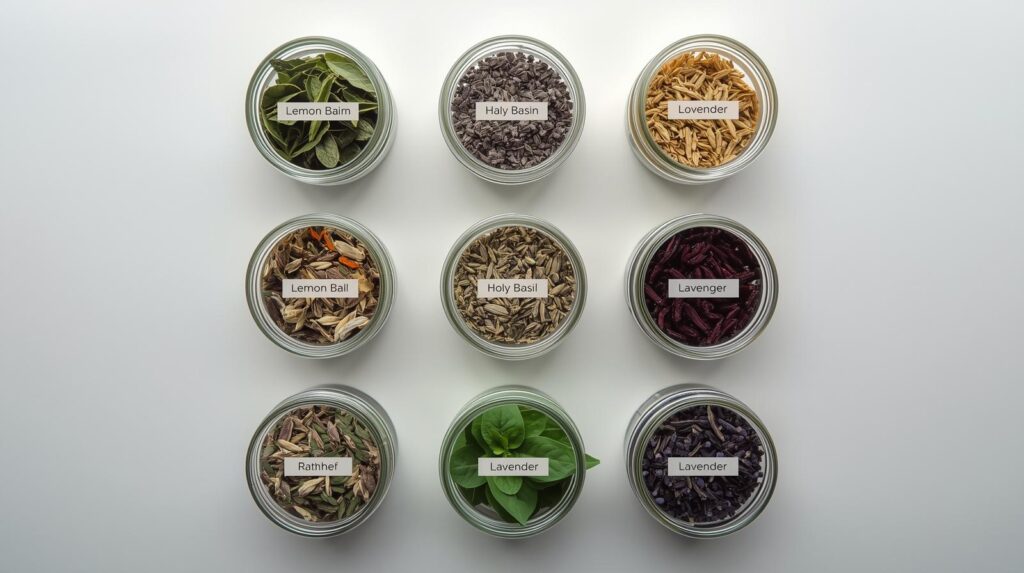
Now that you’ve been introduced to these wonderful plant allies, the next step is learning how to invite them into your daily routine in the simplest ways possible. Let’s move on to the practical, no-stress techniques that will make culinary herbalism a natural part of your life.
The Practical Beginner’s Guide: How to Use Herbs Daily Without Overwhelm
Simple Ways to Weave Herbal Magic into Every Meal
The biggest hurdle for beginners is the “how.” You have the herbs, you understand the benefits, but how do you actually use them without it feeling like another complicated task? The secret is to start small and integrate rather than add. You are not creating elaborate new recipes from scratch (at least not at first); you are enhancing the foods and routines you already have. Think of it as a subtle, powerful upgrade to your current life. The goal is to make this practice so seamless that it becomes second nature, a gentle rhythm that supports you throughout your day.
This is the core philosophy we embrace in Calm & Nourish: A Culinary Herbalism Guide to Stress-Free Cooking, where we transform theory into effortless, daily action.
Start with What You Know: The Infusion Method
The absolute easiest and most direct way to experience the benefits of herbs is by drinking them. An infusion is simply a fancy word for a strong, medicinal tea. This is your gateway practice.
- How to Make a Simple Herbal Infusion: For a single cup, place 1-2 teaspoons of dried herb (or a small handful of fresh) into a mug. Pour boiling water over it, cover the mug with a small plate or lid (this traps the volatile, therapeutic oils), and let it steep for 5-15 minutes. The longer it steeps, the stronger the medicine. Strain and enjoy. This simple act—of boiling water, waiting, and sipping—is a mindfulness ritual in itself. A cup of lemon balm infusion in the afternoon is a pause button for your nervous system. A cup of chamomile and lavender before bed is a signal to your body that it’s time to unwind.
- Beyond the Tea Cup: Your herbal infusion doesn’t have to be limited to a drink. Once you’re comfortable, you can use cooled, strong herbal teas as the liquid in other foods. Use that calming tulsi tea to cook your morning oatmeal. Use a peppermint infusion to make a refreshing jelly. This is a stealthy way to incorporate herbal benefits without changing your routine at all.
The Art of the Sprinkle: Using Dried Herbs Confidently
Your jar of dried oregano is not just for pasta sauce. It is a bottle of potential calm, waiting to be released. The “sprinkle” is your most powerful tool for daily herbalism.
- The Mindful Shake: Before you automatically add salt and pepper to your food, pause. Consider what herb could bring both flavor and a desired effect. Feeling stressed? A sprinkle of rosemary on your roasted potatoes can help clear mental fog. Digestive sensitivity? A generous dusting of fennel seeds or dried ginger on your roasted carrots or squash can work wonders. The key is to see your spice rack as a palette of wellness, not just flavor.
- Create Your Own Blends: This is where the fun begins and your personal practice takes shape. Start by making a simple “Calming Salt Blend.” Mix 1/4 cup of sea salt with one tablespoon of dried lemon balm, one teaspoon of dried lavender (culinary-grade!), and one teaspoon of dried rosemary. Store it in a jar and use it to season chicken, fish, or vegetables. You’ve just created your first custom, functional herbal preparation. For more guided blend ideas and recipes, our course Calm & Nourish: A Culinary Herbalism Guide to Stress-Free Cooking provides a whole library of formulas for everything from energy to immune support.
Fresh & Fragrant: Incorporating Fresh Herbs
While dried herbs are convenient and potent, fresh herbs bring a vibrant, lively energy to your food and your kitchen. Their bright colors and invigorating scents can lift your mood before you even take a bite.
- The Simple Chop: You don’t need to be a chef with knife skills. Roughly chopping a handful of fresh parsley, basil, or mint and scattering it over a finished dish—a soup, a salad, a piece of fish—is an instant upgrade. This “finishing herb” technique adds a burst of fresh flavor and a wealth of nutrients that are often lost in prolonged cooking.
- Herb-Infused Oils and Vinegars: This is a simple DIY project that feels luxurious and makes using herbs effortless. For an oil, gently warm a cup of good-quality olive oil over low heat with a few sprigs of fresh rosemary and a clove of garlic. Do not let it boil. Let it cool, then strain into a bottle. For vinegar, simply place fresh tarragon or basil in a jar and cover with apple cider vinegar or white wine vinegar. Let it sit for two weeks, then strain. You now have a delicious, herbal condiment for dressings and marinades.
5 No-Cook Ways to Use Herbs Today
To prove how simple this can be, here are five things you can do right now, without even turning on the stove:
- Make a Sunshine Elixir: Muddle a few sprigs of fresh lemon balm or mint in the bottom of a glass. Add a slice of lemon and fill with still or sparkling water. Sip for an instant refresh.
- Create a Calming Yogurt: Stir a teaspoon of dried chamomile flowers and a drizzle of honey into a bowl of plain yogurt for a soothing breakfast or snack.
- Herb Your Butter: Mix finely chopped fresh chives, parsley, and a pinch of thyme into softened butter. Roll it into a log in parchment paper, chill, and you have “compound butter” to melt over steamed vegetables or spread on bread.
- Blend a Green Smoothie: Add a large handful of fresh basil or mint to your next fruit smoothie. It adds a surprising and delicious depth of flavor and a calming effect.
- Sprinkle on Avocado Toast: Elevate your classic avocado toast by topping it with red pepper flakes, a squeeze of lime, and a generous sprinkle of fresh, chopped cilantro or dill.
The barrier to entry is wonderfully low. Start with one of these simple practices today. As you build confidence, you’ll naturally feel ready to create more elaborate dishes. And what better way to build that confidence than with a few simple, fail-proof recipes designed specifically for beginners?
Your First Herbal Recipes: No-Stress Creations for Calm and Joy
Embark on Your Culinary Herbalism Journey with These 3 Simple Recipes
Now for the truly joyful part: creating! These three recipes have been carefully chosen for their simplicity, their delightful flavors, and their potent calming properties. They require minimal ingredients, basic kitchen tools, and no special expertise. The goal here is not perfection, but experience. As you chop, stir, and smell, you are building a relationship with these plants. You are learning their textures, their aromas, and how they make you feel.
This is the heart of stress-free cooking—the process itself becomes the medicine. Each of these recipes embodies a principle you will explore deeply in our course, Calm & Nourish: A Culinary Herbalism Guide to Stress-Free Cooking, where we guide you through dozens of such creations, building your skills and your herbal intuition with every lesson.
1. Soothing Lemon Balm & Honey Tea
This is more than a tea; it is a liquid hug in a mug. Lemon balm, with its sunny disposition, is renowned for easing anxiety and lifting the spirits without causing drowsiness. Combined with raw honey, which is both a gentle nervine and a soothing demulcent for the throat, this tea is the perfect companion for a hectic afternoon or a moment of needed pause.
Ingredients:
- 1-2 tablespoons of fresh lemon balm leaves (or 1 tablespoon dried)
- 1 cup of freshly boiled water
- 1 teaspoon of raw, local honey (or to taste)
- A slice of lemon (optional)
Instructions:
- Prepare the Herb: If using fresh lemon balm, gently crush the leaves between your fingers to help release their aromatic oils. This simple act of touching the plant is the first step in your mindful ritual. Place the leaves in your favorite mug.
- Infuse with Intent: Pour the freshly boiled water over the leaves. Immediately cover the mug with a small saucer or lid. This is a crucial step—trapping the steam ensures the volatile, therapeutic compounds don’t evaporate away with it.
- Wait with Patience: Allow the tea to steep for 5 to 10 minutes. Use this time to simply sit. Breathe in the lemony aroma. Close your eyes. Let this be a forced pause in your day. The waiting is part of the medicine.
- Sweeten and Sip: Strain the tea to remove the leaves. Stir in the raw honey until it dissolves. The honey not only adds sweetness but also its own soothing properties. Add a slice of lemon for an extra boost of brightness if you like. Sip slowly, feeling the warmth and calm spread through your body.
2. Calming Tulsi & Coconut Rice
This recipe demonstrates how effortlessly you can incorporate powerful adaptogens like Holy Basil (Tulsi) into a staple food. The result is a fragrant, slightly sweet rice dish that serves as a nourishing base for a meal, all while quietly supporting your body’s resilience to stress.
Ingredients:
- 1 cup of white jasmine or basmati rice
- 1 ¾ cups of water
- 2 tablespoons of dried Tulsi (Holy Basil) leaves
- 2 tablespoons of unsweetened shredded coconut
- 1 tablespoon of coconut oil (or ghee)
- A generous pinch of sea salt
Instructions:
- Rinse and Toast: Rinse the rice under cold water until the water runs clear. This removes excess starch for fluffier rice. In a medium saucepan, melt the coconut oil over medium heat. Add the rinsed rice and shredded coconut and toast for 2-3 minutes, stirring constantly, until it becomes fragrant.
- Create the Infusion: Add the water, dried Tulsi leaves, and sea salt to the pot. Stir once to combine.
- Simmer to Perfection: Bring the mixture to a boil, then immediately reduce the heat to the lowest possible setting. Cover the pot with a tight-fitting lid and let it simmer gently for 15-18 minutes. Do not peek! This allows the steam to cook the rice evenly and ensures the Tulsi fully infuses the grains.
- Rest and Fluff: After 15 minutes, turn off the heat and let the rice sit, still covered, for another 10 minutes. This resting period is essential for the perfect texture. Finally, remove the lid, fluff the rice with a fork, and marvel at the beautiful, aromatic dish you’ve created. The Tulsi leaves can be eaten along with the rice.
3. Relaxing Herbal Salt Blend
This is perhaps the most empowering recipe for a beginner. By creating your own herbal salt blend, you create a powerful tool that makes “sprinkling your way to calm” effortless. Keep this in a small jar on your kitchen counter, and you’ll find yourself reaching for it constantly.
Ingredients:
- ½ cup of fine sea salt
- 2 tablespoons of dried lemon balm
- 1 tablespoon of dried rosemary
- 1 teaspoon of dried culinary lavender
- (Optional) 1 teaspoon of dried lemon zest
Instructions:
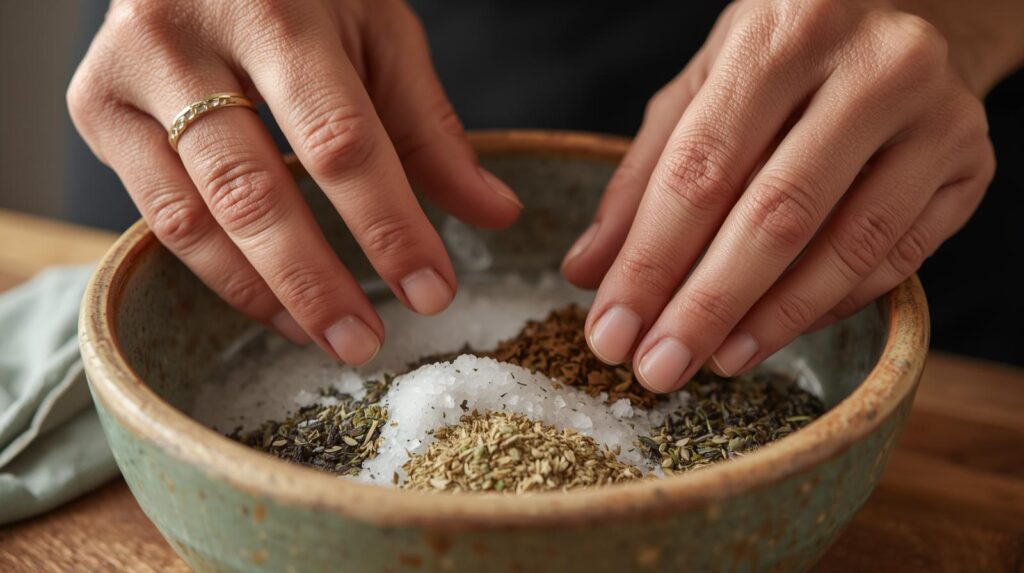
- Combine and Crush: In a medium bowl, combine the sea salt, dried lemon balm, dried rosemary, and dried lavender. Using the back of a spoon or a mortar and pestle, gently crush the herbs into the salt. You aren’t aiming for a powder, but you do want to break down the herbs slightly to release their oils and mix them thoroughly with the salt.
- Infuse and Marry: Transfer the mixture to a clean, airtight glass jar. Seal the jar and give it a good shake.
- The Waiting Period: This is the hardest part! Let the salt blend sit for at least 24 hours, and ideally a full week. This allows the flavors and therapeutic properties of the herbs to fully “marry” with the salt. The salt will pull the moisture and essential oils from the herbs, creating a deeply flavorful and functional condiment.
- Use with Abandon: After the waiting period, your herbal salt is ready to use. Sprinkle it on roasted vegetables, grilled chicken or fish, popcorn, or even over a fresh tomato salad. Every use is a small, intentional act of self-care. For more inspiring recipes and blend ideas that target everything from digestion to immune support, our courseCalm & Nourish: A Culinary Herbalism Guide to Stress-Free Cooking is your next step.
These three recipes are just the beginning. They are designed to build your confidence and show you that culinary herbalism is accessible, practical, and profoundly rewarding. With this foundation, you can begin to think about building a kitchen environment that consistently supports this new, nourishing practice.
Building Your Herbal Pantry: A Step-by-Step Guide
Stocking a Kitchen that Supports Your Wellbeing
Now that you’ve experienced the joy of creating with herbs, let’s talk about building a foundation that makes this practice sustainable. A well-considered herbal pantry isn’t about having every single herb imaginable; it’s about having a curated collection of high-quality, versatile staples that you will actually use.
This eliminates the stress of “what should I buy?” and empowers you to whip up a calming tea or a nourishing meal at a moment’s notice. Think of it as building a toolkit for your well-being, where every jar and bottle has a purpose. In our course, Calm & Nourish: A Culinary Herbalism Guide to Stress-Free Cooking, we provide detailed shopping lists and sourcing guides to make this process even more effortless, helping you invest wisely in your health from the very start.
The Foundational Dried Herbs to Buy First
Resist the urge to buy out the entire health food store! Start with a small, versatile collection based on the herbs we’ve already discussed. This focused approach is budget-friendly and prevents overwhelm.
- Holy Basil (Tulsi): Your daily adaptogenic tonic for stress resilience.
- Lemon Balm: For uplifting calm and easing tension.
- Chamomile: Your go-to for evening relaxation and soothing the stomach.
- Peppermint: For digestive ease and mental clarity.
- Nettle Leaf: A deeply nourishing tonic, rich in minerals, perfect for infusion.
- Calendula Flowers: Soothing for the gut and beautiful sprinkled on salads.
- A Robust Spice Collection: This includes rosemary, thyme, oregano, sage, fennel seeds, and turmeric. These are your culinary workhorses for daily cooking.
Essential Tools for the Beginner Herbalist
You do not need a kitchen full of specialized equipment. You likely already have everything you need to begin.
- A Good Quality Kettle: For boiling water for your daily infusions.
- Airtight Glass Jars (Various Sizes): For storing your dried herbs, salt blends, and herbal creations. Glass protects the herbs from light and moisture, preserving their potency.
- A Fine-Mesh Strainer: Essential for straining teas and infusions.
- A Mortar and Pestle: For gently crushing herbs to release their oils for salt blends or bruising fresh herbs for teas.
- Measuring Spoons: For consistency, especially when you’re just starting out.
Sourcing Quality Herbs: What to Look For
The quality of your herbs directly impacts their flavor and therapeutic value. Sourcing them thoughtfully is a key part of the practice.
- Buy Organic When Possible: This ensures your herbs are free from synthetic pesticides and herbicides, which is especially important when you are using them as medicine.
- Check for Color and Aroma: High-quality dried herbs should be vibrant in color and potent in aroma. If they look dusty, brown, and smell like hay, they are old and have lost their potency.
- Look for “Culinary Grade” or “Tea Cut”: This indicates the herb has been cleaned and sifted appropriately for consumption.
- Consider the Source: Support small, ethical companies and local apothecaries when you can. Many have a strong online presence. They often provide detailed information about how and where their herbs are grown and harvested.
- Grow Your Own: The ultimate connection to your medicine! Herbs like lemon balm, mint, thyme, rosemary, and sage are incredibly easy to grow in pots on a sunny windowsill or in a garden patch. There is nothing more satisfying than stepping outside to snip your own fresh herbs.
Building your pantry is a gradual, enjoyable process. Start with the herbs that called to you most from the starter kit, and let your collection grow organically as your confidence and curiosity expand. As you become more comfortable, you’ll naturally start to notice what works, what you use most, and where you might have made a misstep—and that’s a perfectly normal part of the learning journey.
Common Beginner Mistakes (And How to Avoid Them)
Navigating Your New Practice with Confidence
Every new journey comes with a learning curve, and culinary herbalism is no different. The most important thing to remember is that there are no “failures” here, only learning experiences. The very nature of this practice is gentle and forgiving. By being aware of some common pitfalls from the start, you can sidestep frustration and move forward with even more confidence and joy. This supportive, troubleshooting mindset is a core part of the community we foster in Calm & Nourish: A Culinary Herbalism Guide to Stress-Free Cooking, where we celebrate every step of the learning process together.
Let’s walk through some common beginner mistakes and, more importantly, how you can easily avoid them.
- Using Too Much, Too Soon: The “More is Better” Myth. This is perhaps the most common misstep. When we learn about the powerful properties of herbs, it’s tempting to think that a larger dose will work faster or better. In culinary herbalism, however, the philosophy is one of gentle, consistent support. Using a massive handful of a strong herb like lavender can make a dish taste soapy and overpowering, and while it likely won’t be harmful, it can be an unpleasant experience that turns you away from a wonderful plant ally.
- How to Avoid It: Always start with the recommended amount in a recipe. If you’re experimenting, begin with a small pinch. You can always add more, but you can’t take it out. Taste as you go. Remember, this is about subtle integration, not overwhelming your system or your palate.
- Storing Herbs Improperly: Letting Your Medicine Go Stale. Dried herbs are living medicines, sensitive to their environment. Leaving them in flimsy plastic bags or in a hot, sunny spot by the stove will cause them to rapidly lose their vibrant color, aromatic scent, and therapeutic potency. You’re left with dusty, flavorless leaves that provide little benefit.
- How to Avoid It: As soon as you bring dried herbs home, transfer them to airtight glass jars. Store these jars in a cool, dark cupboard, away from direct light, heat, and moisture. Your herbs will stay potent and flavorful for much longer, making your investment worthwhile.
- Being Afraid to Experiment: Sticking Too Rigidly to Recipes. While recipes are wonderful guides, becoming a slave to them can stifle your budding herbal intuition. If you don’t have lemon balm but you have chamomile, it’s okay to substitute! Herbalism is an art as much as it is a science, and your personal preferences are your best guide.
- How to Avoid It: Use recipes as a starting point and a source of inspiration. Think about the flavor profile and the intended effect. If a recipe calls for a calming herb, you can confidently swap one calming herb for another. Start with small, safe swaps in simple recipes like teas and salts. This is how you develop a true, personal relationship with the plants.
- Confusing Culinary and Medicinal Dosages. It’s crucial to keep in mind the distinction we made earlier. In your kitchen, you are using food-grade amounts. Taking a tablespoon of a powdered herb is a concentrated medicinal dose, while cooking with a teaspoon of the same herb over a whole pot of soup is a culinary, nourishing dose.
- How to Avoid It: Stay within the amounts suggested in reputable culinary herbalism resources. If you are considering using an herb in a concentrated way for a specific health condition, that is the territory of medicinal herbalism, and it is essential to consult a qualified clinical herbalist or your healthcare provider.
- Giving Up After One Try: Not Allowing Time for the Relationship to Bloom. You might make a tea and think, “I don’t feel any different.” It’s important to adjust your expectations. Culinary herbalism is not a pharmaceutical; it’s a slow, cumulative practice. The benefits build over time as you consistently nourish your body. The act of making the tea is itself a calming ritual.
- How to Avoid It: Focus on the process and the pleasure. Notice the subtle shifts. Do you feel a sense of comfort as you sip your tea? Did the fragrant rice make your meal feel more special? This practice is as much about the journey—the mindfulness, the connection, the joy of creating—as it is about the destination. Be patient and consistent, and the deeper benefits will reveal themselves in time.
By embracing these gentle guidelines, you free yourself to explore, play, and truly make this practice your own. And as you grow more comfortable in the kitchen, you’ll find that this wisdom naturally begins to spill over into other areas of your life, creating small, beautiful rituals of calm from morning until night.
Beyond the Kitchen: Simple Herbal Rituals for Daily Life
Weaving Calm from the Kitchen to the Couch
The true magic of culinary herbalism unfolds when its principles begin to gently infuse your entire day, transforming routine moments into sacred, self-care rituals. This practice isn’t confined to the stove or the cutting board; it’s a mindset of intentional living that uses plants as our allies in cultivating a life of less stress and more nourishment.
For the busy woman, these small, consistent rituals are not indulgences—they are essential anchors that reset your nervous system and remind you that your well-being is the priority. In Calm & Nourish: A Culinary Herbalism Guide to Stress-Free Cooking, we explore how to design a whole life infused with this calming, herbal wisdom, creating a personal rhythm that sustains you through life’s busyness.
Here are some simple, beautiful ways to weave herbal calm into the fabric of your daily life:
- The Mindful Morning Sip: Before you reach for caffeine, start your day with a moment of connection. Brew a gentle cup of tulsi tea or a warm glass of water with a slice of lemon and a few crushed mint leaves. As you sip it, stand by a window, feel the sun on your face, and set an intention for the day. This five-minute ritual grounds you before the demands of the day begin to pull you in different directions.
- The Calming Herbal Bath: Transform your bath into a therapeutic soak. While the tub fills, place a handful of Epsom salts, a half-cup of rolled oats, and a large handful of calming herbs like lavender and chamomile into the center of a washcloth or muslin bag. Tie it securely and toss it under the running water, like a giant tea bag. The oats and salts soothe your skin, while the steam carries the calming aromatherapy of the herbs directly to your senses. This is a powerful way to literally wash away the stress of the day.
- A Personal Peace Inhaler: Create a portable pocket-sized sanctuary. You can buy blank inhaler tubes online. Simply add a few drops of pure, therapeutic-grade essential oils like lavender, frankincense, or bergamot to the cotton wick inside the tube. When you feel stress rising in traffic, before a meeting, or in a crowded store, simply bring the inhaler to your nose and take a few deep, calming breaths. It’s your discreet, instant calm button.
- The Evening Unwind Ritual: An hour before bed, begin to signal to your body and mind that it’s time to power down. This is more than just drinking a cup of chamomile tea; it’s about the entire ritual. Prepare your tea mindfully. Then, as you sip it, dim the lights, put away your screens, and perhaps do some gentle stretching, read a book, or simply sit in quiet contemplation. The combination of the nervine herbs and the conscious disconnection from stimulation is profoundly effective for encouraging deep, restorative sleep.
- The Gratitude Garnish: As you prepare your final meal of the day, take a moment to practice gratitude. As you chop fresh herbs like parsley, basil, or chives, consciously appreciate their vibrant color, their fresh scent, and the nourishment they are about to provide. Sprinkle them over your dish with the intention of gratitude for the food, for your body, and for the day that has passed. This turns a simple culinary action into a moment of profound mindfulness and thankfulness.
These rituals are not about adding more to your to-do list. They are about being more present in the small moments you already have. They are invitations to pause, to breathe, and to reconnect with yourself through the gentle, supportive energy of plants. As you become more attuned to how these practices make you feel, you can begin to tailor them even more specifically to your own unique wellness goals and needs.

Culinary Herbalism for Specific Wellness Goals
Tailoring Your Practice to Your Needs
As your confidence with herbs grows, you can begin to use your kitchen wisdom in a more targeted way. Think of this as moving from general nourishment to personalized support. Your body’s needs change from day to day—sometimes you need help winding down, other times you need digestive ease after a rich meal.
By learning a few simple “protocols,” you can actively use your herbal pantry to meet these shifting needs. This is where your practice becomes deeply intuitive and empowering. In our course, Calm & Nourish: A Culinary Herbalism Guide to Stress-Free Cooking, we dedicate significant time to this personalized approach, helping you learn to listen to your body’s signals and craft herbal solutions that are perfectly suited for you.
A Beginner’s Protocol for Evening Relaxation
For many middle-aged women, the evening can be a time when the mind races, replaying the day’s events or worrying about tomorrow. A targeted herbal protocol can signal powerfully to your nervous system that it’s time to shift from “doing” to “being.”
- The Goal: To ease mental chatter, soothe physical tension, and prepare the body and mind for deep, restorative sleep.
- The Herbal Allies: This protocol relies on a combination of herbs that work synergistically.
- Chamomile: The ultimate gentle sedative and nervine, perfect for quieting a worried mind.
- Lavender: A classic nervous system relaxant that eases tension and its floral aroma is inherently calming.
- Lemon Balm: Lifts the spirits while easing anxiety, preventing the “tired but wired” feeling.
- The Simple Protocol:
- The 7 PM Wind-Down Tea: One hour after your evening meal, prepare a tea blend. Combine 1 part chamomile, 1/2 part lavender, and 1 part lemon balm (a “part” can be a teaspoon for a single cup). Steep for 10 minutes, covered. Sip this slowly while you read or listen to calm music.
- The Pre-Bed Foot Bath: 30 minutes before bed, prepare a warm foot bath. To the water, add a handful of Epsom salts and a few drops of lavender essential oil. Soaking your feet not only relaxes the entire body but also helps draw heat away from your core, signaling to your body that it’s time for sleep.
- The Pillow Mist: Keep a small spray bottle with water and a few drops of lavender and chamomile essential oils on your nightstand. Spritz your pillow and bedding lightly before you settle in to sleep. This creates a sensory cue that tells your brain it’s time for rest.
This three-step ritual combines internal and external herbal support to create a powerful, multi-sensory message of relaxation.
Herbal Support for Digestive Ease After Meals
Digestive discomfort—bloating, gas, that feeling of heaviness—can be a significant source of stress and physical unease, especially as our metabolism changes. Fortunately, a class of herbs known as “carminatives” are specifically brilliant at addressing this.
- The Goal: To relax the digestive tract, stimulate the production of digestive enzymes, and prevent or relieve gas and bloating.
- The Herbal Allies (The Digestive Dream Team):
- Peppermint: Relaxes the muscles of the digestive tract and helps relieve spasms.
- Ginger: A warming stimulant that gets your digestive “fire” moving, excellent for relieving nausea.
- Fennel: The classic choice for relieving gas and bloating; it has a gentle, sweet flavor.
- Dill & Coriander Seed: Both are excellent carminatives that work gently to ease discomfort.
- The Simple Protocol:
- Incorporate During Cooking: The easiest method! When preparing meals that are known to cause bloating (like beans, cruciferous vegetables, or rich foods), be generous with these herbs. Add a teaspoon of fennel seeds to your lentil soup, use fresh ginger and coriander in your stir-fry, or make a mint and dill yogurt sauce to serve alongside.
- The After-Dinner Digestif: Instead of a rich dessert, make a simple after-dinner tea. A single herb like peppermint is perfect, or create a blend of equal parts fennel, peppermint, and ginger. Steep for 5-10 minutes and sip slowly. This is a common practice in many cultures for very good reason—it works.
- The Simple Seed Mix: Keep a small jar on your dining table with a mix of equal parts fennel seeds, anise seeds, and caraway seeds. Chewing a small pinch of this mix after a meal is an incredibly effective and ancient way to aid digestion and sweeten your breath simultaneously.
By learning to apply herbs in these targeted ways, you move from being a passive recipient of your health to an active, empowered participant. You are learning the language of your body and responding with the gentle, effective solutions that nature provides. This foundational knowledge is what will carry you forward, from a beginner to a truly confident home herbalist.
From Beginner to Confident Home Herbalist: Your Path Forward
Where to Go from Here? Deepening Your Knowledge
Congratulations. By reaching this point in the guide, you have already taken the most important step: you have begun. You’ve been introduced to the philosophy, met the key herbal allies, learned practical techniques, and even started creating your own simple recipes and rituals. You are no longer a curious observer; you are an active participant in the beautiful, unfolding practice of culinary herbalism. So, what comes next? How do you move from these first, foundational steps to a place of deep, intuitive confidence? The path forward is one of continued practice, curiosity, and connection.
The journey of an herbalist is a lifelong one, and it is as much about self-discovery as it is about plant knowledge. The plants themselves will be your greatest teachers. Pay attention to how you feel when you drink a tulsi tea versus a peppermint tea. Notice which herbs you are naturally drawn to in the garden or the grocery store. This internal feedback is your most valuable guide. Keep a simple journal—note what herb you used, how you used it, and how it made you feel. Over time, you will see patterns emerge that are unique to you and your body’s needs. This is the development of your herbal intuition, and it is a powerful tool.
As you continue to learn, you will find there are two primary paths for deepening your knowledge: self-guided exploration and structured learning. Both are valuable and often work best in tandem.
- Self-Guided Exploration: This involves following your curiosity. It means visiting local herb farms, checking out books on herbalism from the library, browsing reputable online blogs and databases, and, most importantly, spending time in nature identifying and connecting with plants. This path is driven by your personal interests and allows for a great deal of creativity and spontaneity. It’s perfect for the lifelong learner who loves to discover things at their own pace.
- Structured Learning: This path involves enrolling in a course, attending workshops, or finding a mentor. The immense value of structured learning, like the journey offered in ourCalm & Nourish: A Culinary Herbalism Guide to Stress-Free Cooking, is that it provides a clear, logical progression. It saves you from the overwhelm of sifting through conflicting information online and gives you a trusted, reliable framework. A good course will fill in the gaps in your knowledge, provide accountability, connect you with a like-minded community, and offer expert guidance that can dramatically accelerate your confidence and competence. It turns scattered information into integrated wisdom.
The choice isn’t binary. You might spend a few months in self-guided exploration, which then reveals a specific area you want to delve into more deeply through a structured course. The best path is the one that feels most supportive and exciting to you right now. The key is to keep your practice alive, to keep one foot on the path, and to never stop asking questions and experimenting. Your kitchen is your classroom, and every meal is an opportunity to learn.
Conclusion: Your Kitchen Awaits – Begin Your Journey to Calm and Nourishment Today
As we come to the end of this beginner’s guide, take a moment to reflect on how far you’ve already come. You’ve been introduced to a new way of seeing your kitchen—not just as a place of sustenance, but as a sanctuary for creating calm and a hub for proactive, delicious self-care. You now have the foundational knowledge to understand what culinary herbalism is, why it’s a powerful tool for managing stress, and how to start using ten essential calming herbs with confidence. You have simple recipes at your fingertips and the beginnings of herbal rituals that can transform your daily routine from stressful to sacred.
Remember, the goal was never perfection. The goal was to take that first, brave step into a world where your spice rack is your apothecary and your cooking spoon is a wand for weaving wellness into your life. You have learned that you don’t need a degree or a fully-stocked pantry to begin; you simply need curiosity and the willingness to sprinkle, steep, and sip your way to greater well-being. This is a practice built on gentleness, consistency, and the profound power of small, daily actions.
Your journey does not end here; this is truly just the beginning. Every time you choose a cup of lemon balm tea over a frantic scroll through your phone, you are practicing culinary herbalism. Every time you sprinkle your custom relaxing salt blend over your dinner, you are affirming your role as the architect of your own health. Let this practice be a source of joy and discovery, not another item on your to-do list. Be patient with yourself, listen to your body, and allow your relationship with these wonderful plant allies to deepen organically.
You now hold the key to a calmer, more nourished life, and it has been in your kitchen all along. We began this journey together with the promise of transforming stress into serenity, and you now have all the tools you need to make that promise a reality. We have only scratched the surface of what is possible. If you feel the call to dive deeper—to move from following recipes to creating them, to understand the why behind the herbs, and to join a supportive community of women on the same path—then we warmly invite you to take the next step with us.
Your kitchen awaits. Your herbs are ready. Your journey to calm and nourishment starts with your very next meal.
[Link toCalm & Nourish: A Culinary Herbalism Guide to Stress-Free Cooking
Calm & Nourish Course]
Frequently Asked Questions (FAQ)
Q1: Is culinary herbalism safe for everyone?
A1: Generally, yes! Using culinary amounts of the common herbs discussed in this guide (like rosemary, thyme, lemon balm, etc.) as part of a varied diet is considered very safe for most people. However, if you are pregnant, breastfeeding, on medication (especially blood thinners), or have a serious health condition, it is always wise to consult with your healthcare provider or a qualified clinical herbalist before making significant changes. Culinary herbalism is about food-grade use, which is a very low-risk starting point.
Q2: What is the very first herb I should buy?
A2: For a beginner focused on calm, we recommend starting with Lemon Balm. It is incredibly gentle, safe, versatile, and has a delightful flavor that is easy to love. You can use it immediately in teas, and its uplifting yet calming properties are felt quite readily, giving you a positive first experience.
Q3: Can I just use the regular herbs from the grocery store?
A3: Absolutely! The fresh and dried herbs in the spice aisle of your local grocery store are a perfect and legitimate place to start. For fresh herbs, look for vibrant, perky leaves. For dried herbs, check the “best by” date and give them a sniff—they should be aromatic, not dusty. As you deepen your practice, you may choose to seek out organic or bulk sources for greater potency and variety, but the grocery store is a wonderful launchpad.
Q4: How is this different from just eating my vegetables?
A4: This is a fantastic question. While eating vegetables provides essential vitamins, minerals, and fiber, culinary herbalism focuses on the potent, bioactive compounds found in aromatic plants—the volatile oils, flavonoids, and bitter principles. These compounds, while present in smaller quantities, have powerful, targeted effects on our systems, such as calming the nervous system (nervines), supporting digestion (carminatives), or helping us adapt to stress (adaptogens). It’s the difference between general nourishment and targeted functional support.
Q5: I don’t have a green thumb. Can I still practice this?
A5: Without a doubt! While growing your own herbs is a deeply rewarding experience, it is not a requirement. You can be a very confident and effective culinary herbalist using high-quality dried herbs and fresh herbs from the market. Many renowned herbalists live in apartments with no garden space. Your practice is defined by how you use the plants, not how you grow them.
Q6: How long does it take to feel the effects?
A6: This depends on the herb and how you’re using it. The relaxing effects of a cup of chamomile or lavender tea can often be felt within 20-30 minutes. The cumulative, long-term benefits of consistently using adaptogens like Holy Basil (Tulsi) to build resilience to stress may take a few weeks of daily use to become noticeably apparent. Think of it as building a foundation of health, brick by brick, rather than looking for an instant “cure.”






Responses