
The Ultimate Guide to Circadian Rhythm for Hormone Health: How to Sync Your Body Clock and Thrive in Midlife (2025)


Table of Contents
What Is the Circadian Rhythm? Your Body’s Inner Clock Explained
Imagine waking up every morning feeling truly refreshed, with a steady stream of energy that carries you through the day without the need for caffeine drips or sugar fixes. For many of us, especially as we navigate the shifting tides of midlife, this feels like a distant dream. Yet, this state of vibrant balance is actually your body’s natural default setting. The key to unlocking it lies in understanding and honoring your body’s internal timekeeper. This is the essence of Circadian Rhythm for Hormone Health. It is not merely a sleep schedule; it is a sophisticated, biological program that dictates every physiological process in your body. When we live in opposition to this rhythm, we experience fatigue, weight gain, and hormonal chaos. But when we align with it, we open the door to profound healing. To dive deeper into this transformative practice, I invite you to explore our free course, Eat by Day, Rest by Night: The Circadian Code for Hormone Health, where we guide you step-by-step through this alignment.
Beyond Just Sleep: Understanding Your 24-Hour Biological Orchestra
Many people mistakenly believe that the circadian rhythm is simply about when you fall asleep and when you wake up. While sleep is a crucial component, the reality is far more complex and beautiful. Think of your body as a grand orchestra, with thousands of musicians playing different instruments—your liver, your heart, your ovaries, your digestive system, and your brain. Your circadian rhythm is the conductor of this orchestra. It operates on roughly a 24-hour cycle, primarily influenced by light and dark, signaling to every system in your body when it is time to work and when it is time to rest. When you prioritize Circadian Rhythm for Hormone Health, you are essentially ensuring that the conductor is visible to the musicians, allowing them to play in perfect harmony. Without this guidance, the music becomes disjointed noise. You can learn how to conduct your own biological orchestra in our dedicated course, Eat by Day, Rest by Night.
The “Master Clock” in Your Brain and the Peripheral Clocks in Your Body
To understand how to harness Circadian Rhythm for Hormone Health, we must look at the biology behind it. Deep within your brain, in the hypothalamus, sits the “Master Clock,” known scientifically as the Suprachiasmatic Nucleus (SCN). This master clock receives direct input from your eyes—specifically, the presence or absence of light. When sunlight hits your eyes in the morning, the SCN sends a “wake up and revitalize” signal to the rest of the body. However, here is where it gets fascinating: nearly every cell in your body has its own “peripheral clock.” Your liver cells have a clock that anticipates food; your muscle cells have a clock that anticipates movement. In our Eat by Day, Rest by Night: The Circadian Code for Hormone Health course, we teach you how to synchronize these peripheral clocks with your master clock to prevent metabolic jetlag.
Why a Healthy Rhythm is the Foundation of Holistic Wellness
For women in midlife, the stakes of circadian misalignment are higher. As our production of sex hormones like estrogen and progesterone naturally fluctuates and declines, our bodies become less resilient to stress and sleep deprivation. A disrupted rhythm can exacerbate menopausal symptoms, increase insulin resistance, and elevate cortisol levels, creating a vicious cycle of poor health. Establishing a robust Circadian Rhythm for Hormone Health is arguably the most effective, natural, and accessible tool we have to smooth the transition of perimenopause and menopause. It provides a stable foundation upon which diet, exercise, and stress management can truly work. If you are ready to build this foundation, our course Eat by Day, Rest by Night offers the blueprint you need.
Key Takeaways on Your Inner Clock:
- It’s pervasive: Your circadian rhythm affects metabolism, immunity, hormone release, and body temperature.
- It’s light-dependent: Light is the primary “zeitgeber” (time-giver) that resets your master clock daily.
- It’s actionable: You can consciously influence your rhythm through lifestyle choices, which we cover extensively in our comprehensive hormone health course.
- It’s restorative: Alignment leads to better sleep, stable mood, and optimized weight.
The Critical Link: How Circadian Rhythm Governs Your Hormonal Symphony
Now that we understand the circadian rhythm as our body’s conductor, let’s look at the musicians themselves: our hormones. Hormones are chemical messengers that orchestrate everything from our mood and metabolism to our reproductive cycles. For these messengers to deliver their instructions correctly, they must be released at the right time and in the right amounts. This precise timing is dictated by our internal clock. When we embrace the principles of Circadian Rhythm for Hormone Health, we are directly supporting the intricate communication network that keeps us feeling balanced and vibrant. A misaligned clock, however, leads to a hormonal symphony playing out of tune, resulting in symptoms that many women in midlife know all too well. Our course, Eat by Day, Rest by Night, provides a detailed roadmap for retuning this symphony and restoring harmony from within.
The Cortisol-Melatonin Dance: The Yin and Yang of Your Daily Cycle
At the heart of your daily rhythm are two foundational hormones: cortisol and melatonin. Think of them as the yin and yang of your energy cycle. Cortisol, often mislabeled as just the “stress hormone,” is designed to be your get-up-and-go signal. In a healthy circadian rhythm, cortisol levels peak within 30-60 minutes of waking, providing you with the energy, focus, and alertness needed to start your day. As the day progresses, cortisol should gradually decline. Conversely, melatonin, the “hormone of darkness,” begins to rise as the sun sets, preparing your body for deep, restorative sleep. This beautiful, opposing rhythm is the bedrock of Circadian Rhythm for Hormone Health. When this dance is disrupted—perhaps by late-night screen time or morning stress—the entire hormonal cascade is thrown off balance. Mastering this delicate dance is a core focus of our Circadian Code for Hormone Health course.
| Feature | Cortisol (The “Day” Hormone) | Melatonin (The “Night” Hormone) |
|---|---|---|
| Primary Trigger | Morning Sunlight | Absence of Light (Darkness) |
| Peak Time | ~30-60 minutes after waking | ~2-4 AM (in the middle of the night) |
| Primary Function | Increases alertness, mobilizes energy, manages stress | Promotes sleep, initiates cellular repair, acts as a powerful antioxidant |
| Impact of Misalignment | Anxiety, “wired” feeling at night, belly fat storage, chronic fatigue | Difficulty falling asleep, poor sleep quality, weakened immunity |
How Your Rhythm Influences Insulin, Thyroid, and Metabolic Hormones
The influence of your circadian clock extends far beyond cortisol and melatonin. It profoundly impacts your metabolic health by regulating hormones like insulin. Your body is most insulin-sensitive in the morning, meaning it is primed to efficiently use carbohydrates for energy. As the day wears on, insulin sensitivity naturally decreases. When you eat late at night, your body is less prepared to handle the glucose load, leading to higher blood sugar, increased fat storage, and a greater risk of insulin resistance over time. This is a crucial aspect of Circadian Rhythm for Hormone Health. Similarly, your thyroid hormone conversion is most active during sleep, meaning poor sleep quality can directly impair your metabolic rate. You can learn to eat and live in a way that supports these metabolic processes in our free course, Eat by Day, Rest by Night.
The Estrogen & Progesterone Connection: A Vital Factor in Midlife
For women navigating perimenopause and menopause, understanding the link between their internal clock and their female hormones is a game-changer. Both estrogen and progesterone levels are influenced by the health of your circadian rhythm. Estrogen helps regulate body temperature, which is a key component of your sleep-wake cycle. Progesterone, known for its calming effects, supports deep sleep. When your master clock is out of sync, the production and balance of these hormones can be further disrupted, potentially worsening symptoms like hot flashes, night sweats, and insomnia. By creating a stable and predictable daily rhythm, you provide a supportive framework for your body to manage these hormonal shifts more gracefully. A strong foundation in Circadian Rhythm for Hormone Health can be the anchor you need during this transition, a topic we explore with great care in the Circadian Code for Hormone Health course.
Are You Out of Sync? 10 Signs Your Circadian Rhythm Is Disrupting Your Hormones
Recognizing the signs of a disrupted internal clock is the first and most empowering step toward reclaiming your well-being. Often, we dismiss symptoms like fatigue, weight gain, and moodiness as inevitable consequences of aging or a busy life. However, these are frequently direct signals from your body that its fundamental rhythm is off-key. Paying attention to these signals is central to achieving a healthy Circadian Rhythm for Hormone Health. As you read through the following signs, see which ones resonate with you. Understanding these patterns is the first lesson we explore in our free course, Eat by Day, Rest by Night, because awareness is the precursor to transformation.
The “Tired and Wired” Feeling: A Classic Red Flag
Have you ever found yourself exhausted all day, only to feel a sudden, unwelcome surge of energy right when you should be winding down for bed? This is the classic “tired and wired” paradox, and it’s a hallmark of circadian disruption. It signifies that your cortisol and melatonin dance is completely reversed. Your cortisol, which should be low in the evening to allow for sleep, is spiking, leaving your mind racing and your body on high alert. Meanwhile, your morning cortisol levels are likely too low to provide that natural boost of energy, leaving you feeling groggy and unrefreshed. This frustrating cycle is a primary indicator that your body is crying out for a reset. Learning how to manage your cortisol curve is a cornerstone of mastering your Circadian Rhythm for Hormone Health, a skill we teach in detail within the Circadian Code for Hormone Health course.
Common Symptoms of Circadian Disruption
If your body’s master clock is out of sync, it can manifest in a variety of ways that go far beyond sleep. Here are ten common signs that your hormonal health is being compromised by a dysregulated rhythm:
- Stubborn Weight Gain: Particularly around the abdomen, as high evening cortisol signals your body to store fat.
- Intense Nighttime Cravings: A sudden, strong desire for sugary or salty snacks before bed is a sign of hormonal imbalance and blood sugar dysregulation.
- Severe Afternoon Energy Slumps: Feeling an overwhelming need for a nap or a caffeine hit between 2 PM and 4 PM.
- Difficulty Falling or Staying Asleep: Lying awake for hours or waking up consistently between 1 AM and 4 AM.
- Chronic Brain Fog: A feeling of mental cloudiness, poor memory, and an inability to focus during the day.
- Mood Swings and Irritability: Feeling emotionally fragile, easily annoyed, or anxious without a clear reason.
- Digestive Issues: Experiencing bloating, indigestion, or irregular bowel movements, as your digestive system’s “clock” is off.
- Weakened Immunity: Getting sick more often than you used to, as your body’s repair and recovery systems are compromised.
- Dull Skin and Premature Aging: A lack of restorative sleep can inhibit cellular repair, affecting your skin’s vitality.
- Decreased Libido: When your body is in a state of chronic stress from a broken rhythm, sex hormone production often takes a backseat.
If several of these signs feel familiar, please know that you are not alone, and these symptoms are not your destiny. They are simply clues. By focusing on restoring your Circadian Rhythm for Hormone Health, you can begin to address the root cause of these issues, rather than just chasing symptoms. We guide you through this very process in our course, Eat by Day, Rest by Night, helping you interpret your body’s signals and respond with supportive, healing practices.
Modern Life vs. Your Ancient Body Clock: The Hidden Stressors Harming Your Health
Our bodies are magnificent, ancient systems designed to thrive in the natural world, guided by the rising and setting of the sun. The challenge is that we no longer live in that world. We live in a 24/7 society filled with artificial light, constant stimulation, and demanding schedules that are often in direct opposition to our biological needs. This fundamental mismatch between our modern lifestyle and our ancient body clock is the primary driver of circadian disruption. Understanding these hidden stressors is essential for protecting your Circadian Rhythm for Hormone Health. It’s not about rejecting modern life, but about learning to navigate it wisely, a skill we empower you with in our free course, Eat by Day, Rest by Night: The Circadian Code for Hormone Health.
Blue Light Exposure: How Your Screens Are Confusing Your Hormones
The single greatest disruptor of our natural rhythm is artificial light, particularly the blue-spectrum light emitted from our smartphones, tablets, computers, and even energy-efficient lightbulbs. When your eyes are exposed to this type of light after sunset, it sends a powerful—and incorrect—signal to your brain’s master clock: “It’s still daytime!” This signal directly suppresses the production of your precious sleep hormone, melatonin, while simultaneously keeping your daytime stress hormone, cortisol, elevated. This hormonal confusion makes it difficult to fall asleep and prevents you from entering the deep, restorative stages of rest where cellular repair and hormone regulation occur. Mitigating blue light exposure in the evening is a non-negotiable step in re-establishing your Circadian Rhythm for Hormone Health. In the Circadian Code course, we provide simple, practical strategies to create a “digital sunset” and protect your melatonin production.
Irregular Schedules & “Social Jetlag”
Our bodies crave consistency. The master clock in your brain thrives on a predictable routine of waking, eating, moving, and sleeping. However, our modern schedules are often anything but consistent. Many of us have different wake-up times on weekdays versus weekends, a phenomenon researchers have termed “social jetlag.” Even a 60-minute difference in your sleep schedule can create a sense of internal jetlag, confusing your hormonal systems and impacting your metabolism. This inconsistency sends mixed signals to your body, making it impossible for it to anticipate and prepare for daily events. This constant state of flux is a major stressor that undermines your Circadian Rhythm for Hormone Health. Creating a stable “anchor” for your day, even on weekends, is a foundational practice for restoring balance, a topic we cover extensively in our free online course.
The Impact of Late-Night Eating on Your Metabolic Health
Just as your brain’s master clock is governed by light, the “peripheral clocks” in your digestive system, liver, and pancreas are strongly influenced by food intake. These organs are not designed to be digesting and metabolizing a heavy meal late at night when the rest of your body is preparing for sleep and repair. When you eat close to bedtime, you force these organs to “wake up” and go to work at the wrong time. This desynchronizes your internal clocks, leading to poor digestion, increased acid reflux, and impaired blood sugar control. Over time, this habit can contribute significantly to insulin resistance and weight gain, directly sabotaging your Circadian Rhythm for Hormone Health. Aligning your eating window with daylight hours is one of the most powerful changes you can make, and our course Eat by Day, Rest by Night teaches you exactly how to do it without feeling deprived.
Also Learns The Impact of Circadian Rhythms on Hormonal Health: Insights from Functional Medicine
Chrononutrition: The Art of Timing Your Meals for Optimal Hormone Balance
In the world of wellness, we spend a great deal of time focusing on what we eat—counting calories, tracking macros, and debating the merits of various superfoods. While the quality of our food is undeniably important, there is another, equally crucial dimension to nutrition that is often overlooked: when we eat. This is the science of chrononutrition, and it is a foundational pillar of building a strong Circadian Rhythm for Hormone Health. It operates on a simple yet profound principle: your body’s ability to digest, absorb, and utilize nutrients changes dramatically over a 24-hour period. By aligning your meals with your body’s natural metabolic rhythm, you can amplify the benefits of healthy food and create a powerful positive cascade for your hormones. This transformative approach is at the core of what we teach in our free course, Eat by Day, Rest by Night.
Why When You Eat Is Just as Important as What You Eat
Imagine your digestive system as a highly efficient factory that operates on a predictable daily schedule. During the day, when the “lights are on,” the factory is fully staffed, and the machinery is running at peak capacity. This is when your body is most insulin-sensitive and best equipped to process food into energy. However, as evening approaches, the factory prepares to close for its nightly cleaning and repair cycle. The staff goes home, and the machinery powers down. Eating a large meal late at night is like forcing the night shift to handle a massive, unexpected order with a skeleton crew. It’s inefficient, stressful, and leads to metabolic chaos. This simple analogy illustrates why timing is paramount for Circadian Rhythm for Hormone Health. Honoring your body’s digestive rhythm by eating during daylight hours supports stable blood sugar, reduces inflammation, and prevents the hormonal disruption caused by late-night meals. You can learn the precise timing that works best for your unique body in the Circadian Code for Hormone Health course.
The Ideal Eating Window for Women’s Hormonal Health
One of the most effective ways to practice chrononutrition is through “time-restricted eating” (TRE), which involves consuming all of your daily calories within a consistent window of time. For women, especially those in midlife, a gentle approach is often most beneficial. A 10- to 12-hour eating window is a sustainable and highly effective goal. This means if you have your first bite of food at 8 AM, you would aim to have your last bite by 6 PM or 8 PM at the latest. This gives your body a 12- to 14-hour fasting period overnight, which is crucial for processes like autophagy (cellular cleanup) and hormonal resetting. This practice of “eating by day” is a cornerstone of a healthy Circadian Rhythm for Hormone Health, as it provides the deep digestive rest your body needs to repair and regulate itself. Our course Eat by Day, Rest by Night offers a step-by-step guide to gently implementing this strategy without stress or deprivation.
| Meal | Ideal Timing | Focus & Rationale |
|---|---|---|
| Breakfast | Within 60-90 mins of waking (~7-9 AM) | Protein & Healthy Fats. This robust meal signals to your master clock that the day has begun, stabilizes blood sugar, and provides foundational energy. |
| Lunch | 4-5 hours after breakfast (~12-2 PM) | Largest Meal of the Day. Your digestive system and insulin sensitivity are at their peak. This is the best time to consume a well-rounded, nutrient-dense meal. |
| Dinner | At least 3 hours before bed (~5-7 PM) | Lightest Meal of the Day. Focus on easily digestible foods like cooked vegetables and lean protein. This allows digestion to complete before sleep, promoting deeper rest. |
Foods That Support a Healthy Circadian Rhythm
While timing is key, the quality of your food still matters. Certain foods can further support your body’s natural rhythms. For example, foods rich in tryptophan, like turkey, nuts, and seeds, can support melatonin production in the evening. Complex carbohydrates in the morning can provide sustained energy, while magnesium-rich foods like leafy greens and avocados can help promote relaxation at night. A diet centered around whole, unprocessed foods provides the building blocks your body needs to produce hormones and conduct its nightly repairs. A deep dive into the specific nutrients that enhance your Circadian Rhythm for Hormone Health is a key module in our free course, Eat by Day, Rest by Night, where we provide grocery lists and meal plans to make it easy.

The Golden Hour: Powerful Morning Rituals to Anchor Your Circadian Rhythm
The first 60 minutes of your day—your “Golden Hour”—hold a disproportionate amount of power over your health. The choices you make during this brief window send the strongest possible signals to your brain’s master clock, setting the entire trajectory for your energy, mood, and hormonal balance for the next 24 hours. If you feel like your days are a constant struggle against fatigue and brain fog, the solution often begins here, in the gentle light of the morning. Creating a consistent morning routine is the most practical and impactful way to begin restoring your Circadian Rhythm for Hormone Health. It is the anchor that holds your entire day in place. In our free course, Eat by Day, Rest by Night, we call this “booking an appointment with yourself,” and we show you how to make it a cherished, non-negotiable part of your life.
The Non-Negotiable Power of Morning Sunlight
If you only make one change to your morning routine, let it be this: get direct sunlight in your eyes as soon as possible after waking. This is not just a pleasant way to start the day; it is a profound biological signal. When natural sunlight enters your retinas (without sunglasses and not through a window), it triggers the suprachiasmatic nucleus (SCN)—your master clock—to immediately halt melatonin production. Simultaneously, it kickstarts the healthy production of cortisol, your daytime hormone, initiating what is known as the Cortisol Awakening Response (CAR). This response is critical for feeling alert and energized. Just 10 to 20 minutes of morning light is enough to set this powerful cascade in motion, effectively synchronizing your internal clock with the external world. This simple, free practice is the cornerstone of a robust Circadian Rhythm for Hormone Health, and its importance cannot be overstated. We explore the optimal timing and duration for this practice in the Circadian Code for Hormone Health course.
Hydrate and Fuel: A Hormone-Balancing Breakfast
After a long night of restorative fasting, your body is dehydrated. The very first thing you should consume is a large glass of water, perhaps with a pinch of mineral-rich sea salt to help with electrolyte balance. This simple act of rehydration supports cellular function and kickstarts your metabolism. Following this, consuming a protein-rich breakfast within 60 to 90 minutes of waking sends another crucial “wake up” signal, this time to the peripheral clocks in your digestive system and liver. A breakfast focused on protein and healthy fats, rather than sugary cereals or pastries, is essential for stabilizing blood sugar from the start. This prevents the mid-morning energy crashes and cravings that so many of us experience, providing a stable foundation for your day. Learning how to build the perfect hormone-balancing breakfast is a delicious part of our course, Eat by Day, Rest by Night.
Gentle Movement to Signal “Go Time” to Your Body
The final piece of your morning anchor is movement. This doesn’t mean you need to engage in a high-intensity workout the moment you get out of bed. In fact, a gentle approach is often more beneficial for your hormones. Simple activities like stretching, yoga, or a brisk walk (ideally outside, to combine movement with sunlight!) increase your core body temperature and circulation. This rise in temperature is another key signal to your body that the day has begun and it’s time to be active and alert. This gentle “Go Time” signal reinforces the messages sent by light and food, ensuring all of your body’s clocks are perfectly synchronized. This synergy is what makes a morning routine so effective for supporting your Circadian Rhythm for Hormone Health. Our free course provides follow-along videos for gentle morning movement routines designed to awaken your body.
Your 5-Step Morning Routine to Reset Your Clock:
- Wake Up Consistently: Aim to wake up within the same 30-minute window every day, even on weekends, to stabilize your rhythm.
- Get Sunlight Immediately: Before looking at your phone, step outside for 10-20 minutes of natural light.
- Hydrate First: Drink a large glass of filtered water to rehydrate and awaken your cells.
- Fuel with Protein: Eat a savory, protein-focused breakfast within 90 minutes of waking to anchor your blood sugar.
- Move Gently: Incorporate 5-10 minutes of light movement to warm up your body and signal readiness for the day.
By consistently practicing these simple steps, you are not just starting your day; you are programming your biology for success. This is the practical application of Circadian Rhythm for Hormone Health, and it is available to you every single morning.

Harnessing Daytime Energy: How to Structure Your Day for Hormonal Harmony
After anchoring your day with a powerful morning routine, the next step is to carry that mindful momentum into the afternoon. The hours between breakfast and dinner are not just a void to be filled with work and obligations; they are a critical period for maintaining the stable energy you’ve created. How you manage your light exposure, movement, stress, and even your caffeine intake during the day will determine whether you glide into your evening feeling calm and balanced or crash onto the couch feeling depleted. Structuring your daytime activities is a vital, yet often overlooked, component of optimizing your Circadian Rhythm for Hormone Health. In our free course, Eat by Day, Rest by Night, we teach you how to design a day that works with your biology, not against it, ensuring a steady flow of vitality from sunrise to sunset.
Timing Your Caffeine Intake to Avoid Sleep Disruption
For many of us, a cup of coffee or tea is a cherished ritual. While caffeine can have its benefits, its timing is absolutely critical. Caffeine works by blocking adenosine, a neurotransmitter that builds up during the day and creates “sleep pressure.” The challenge is that caffeine has a long half-life of about 5-6 hours, meaning half of it is still in your system that long after you’ve finished your cup. If you have a coffee at 4 PM, it’s like taking half a cup at 10 PM, which can significantly disrupt your ability to fall asleep and degrade the quality of your deep sleep. A non-negotiable rule for anyone serious about their Circadian Rhythm for Hormone Health is to establish a “caffeine curfew.” As a general guideline, avoid all caffeine after 2 PM. This ensures that by the time you’re ready to wind down, adenosine can do its job, signaling to your body that it’s time for rest. Discover caffeine alternatives and natural energy-boosting techniques in the Circadian Code for Hormone Health course.
The Best Time to Exercise for Your Hormones
Movement is a powerful tool for reinforcing your daily rhythm, but the optimal time for exercise can depend on your personal goals and hormonal state. Morning exercise, especially in a fasted state or after a light breakfast, can be excellent for enhancing insulin sensitivity and reinforcing your body’s natural cortisol spike. It’s a powerful “wake-up” call for your metabolism. On the other hand, your body’s core temperature and muscular strength peak in the mid-to-late afternoon (around 3-5 PM), which may allow for better performance and a reduced risk of injury. The most important consideration for your Circadian Rhythm for Hormone Health is to avoid high-intensity exercise within three hours of bedtime. Intense evening workouts can raise cortisol and core body temperature, effectively sending a “daytime” signal to your brain when it should be preparing for sleep. Listening to your body and choosing a consistent time that feels right is key, a process we guide you through in our free online course.
| Feature | Morning Workout Benefits | Afternoon Workout Benefits |
|---|---|---|
| Impact on Cortisol | Aligns with and supports the natural morning cortisol peak, enhancing alertness. | Can be an effective way to burn off excess stress hormones from the day. |
| Effect on Sleep | Excellent for anchoring the wake-sleep cycle, often leading to deeper sleep. | Generally good, as long as it’s not too close to bedtime, which can be disruptive. |
| Insulin Sensitivity | May have a stronger effect on improving insulin sensitivity throughout the day. | Still beneficial for blood sugar control, especially after lunch. |
| Performance & Strength | Good for consistency and routine-building. | Often higher due to peak core body temperature and muscle function. |
Managing Stress to Prevent Midday Cortisol Spikes
A healthy cortisol rhythm involves a high peak in the morning followed by a gentle, steady decline throughout the day. However, the chronic stressors of modern life—a demanding boss, family conflicts, financial worries—can cause cortisol to spike erratically during the afternoon. These spikes not only contribute to the dreaded afternoon energy crash but also disrupt the hormonal balance needed for a calm evening and restful sleep. Managing your stress in real-time is therefore a critical practice for maintaining your Circadian Rhythm for Hormone Health. This doesn’t require an hour of meditation. It can be as simple as taking three deep belly breaths before a meeting, stepping outside for a 5-minute walk without your phone, or listening to a calming song. These “micro-resets” can soothe your nervous system and prevent cortisol from spiraling out of control. Our course, Eat by Day, Rest by Night, is filled with practical, 5-minute stress-management techniques designed for busy women.
The “Digital Sunset”: Evening Rituals to Prepare Your Body for Rest and Repair
Just as the morning’s Golden Hour sets the stage for a vibrant day, the final one to two hours before bed determine the quality of your night’s rest and repair. In our modern, hyper-connected world, we often transition from a high-stress workday directly to a brightly lit screen, robbing our bodies of the gradual winding-down period they are biologically programmed to expect. Creating a “digital sunset” is a conscious practice of signaling to your brain and body that the day is ending, allowing for the seamless hormonal shift from cortisol to melatonin. This deliberate evening ritual is not a luxury; it is a necessity for anyone committed to improving their Circadian Rhythm for Hormone Health. In our free course, Eat by Day, Rest by Night, we dedicate an entire module to crafting personalized evening routines that protect your hormones and pave the way for deep, restorative sleep.
Creating a Low-Light, Relaxing Environment
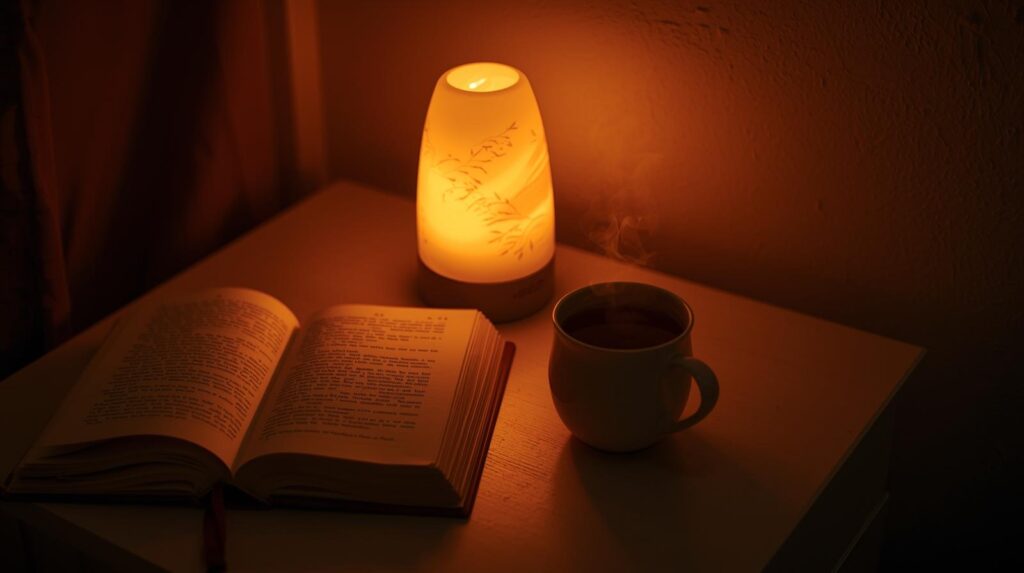
Your brain’s master clock interprets light as its primary cue for wakefulness. When your eyes are flooded with the blue-spectrum light from TVs, phones, and overhead lighting in the evening, your brain becomes profoundly confused. It suppresses the production of melatonin, your precious sleep hormone, believing it’s still midday. The single most impactful change you can make is to drastically reduce your light exposure after the sun goes down. This means dimming the lights in your home, using lamps with warm-toned amber or red bulbs instead of bright overhead lights, and—most importantly—powering down all screens at least 60-90 minutes before bed. This act of creating a low-light sanctuary is the foundation of a successful digital sunset and is paramount for your Circadian Rhythm for Hormone Health. The Circadian Code for Hormone Health course offers creative tips, including the use of blue-light blocking glasses, to make this transition easier.
Your Last Meal: Timing and Composition Matter
As we discussed in the section on chrononutrition, your digestive system also needs to wind down in the evening. A cardinal rule for protecting your sleep and metabolism is to finish your last meal at least three hours before you plan to go to sleep. This gives your body ample time to complete the most energy-intensive phase of digestion, allowing your core body temperature to drop and your blood sugar to stabilize before you lie down. When your body is still working hard to digest food, it cannot fully commit to the critical repair and detoxification processes that are meant to happen during sleep. Keep your evening meal light and easily digestible, focusing on cooked vegetables and quality protein. This simple discipline of an early dinner is a powerful lever for improving your Circadian Rhythm for Hormone Health. For delicious, hormone-supportive dinner recipes, be sure to explore our free course, Eat by Day, Rest by Night.
Simple Practices to Unwind and Lower Cortisol
Beyond managing light and food, your evening routine is an opportunity to actively shift your nervous system out of the “fight-or-flight” state and into the “rest-and-digest” mode. The goal is to lower any lingering cortisol from the day’s stressors, which can otherwise interfere with sleep. This involves replacing stimulating activities (like scrolling through social media or watching the news) with calming, restorative ones. Find a few practices that you genuinely enjoy and look forward to each evening. Consistency is more important than complexity. Building these habits is a beautiful act of self-care and a direct investment in your Circadian Rhythm for Hormone Health. Our course, Eat by Day, Rest by Night, provides guided meditations and relaxation exercises perfect for your new evening ritual.
- Sip on Herbal Tea: Choose a calming, caffeine-free blend like chamomile, passionflower, or lavender to soothe your nervous system.
- Take a Warm Bath or Shower: Adding Epsom salts can help relax your muscles. The subsequent drop in body temperature after you get out also helps signal to your body that it’s time for sleep.
- Read a Physical Book: Opt for a real book over an e-reader to avoid blue light exposure. Choose fiction or something inspirational rather than work-related material.
- Gentle Stretching or Yin Yoga: Release physical tension from your body with slow, mindful movements.
- Journaling: Perform a “brain dump” by writing down any worries, to-do lists, or thoughts that are cluttering your mind, effectively clearing your mental slate before bed.
Sleep’s Sacred Role: How Deep Rest Resets Your Hormones Nightly
We often view sleep as a passive state of simply “turning off” for the night. But the truth is, the hours you spend asleep are among the most active and crucial for your well-being. During this sacred time, your body undertakes a vast array of essential maintenance tasks, from cleaning your brain of metabolic debris to recalibrating your entire hormonal system. High-quality sleep is not a luxury you earn after a productive day; it is the non-negotiable foundation upon which a productive and vibrant day is built. For women in midlife, prioritizing deep, restorative rest is perhaps the single most powerful lever we have to pull for creating a resilient Circadian Rhythm for Hormone Health. In our free course, Eat by Day, Rest by Night, we reframe sleep not as a task to be checked off, but as a profound act of self-care and hormonal healing.
The Nightly “Cleanse”: Detoxification, Repair, and Hormonal Housekeeping
While you are sleeping, a dedicated team of biological janitors and repair crews gets to work. One of the most critical processes is run by the glymphatic system, which is 10 times more active during sleep than when you are awake. It works to flush out neurotoxins and waste products from your brain, including the beta-amyloid plaques associated with cognitive decline. This nightly “brain wash” is essential for maintaining mental clarity and preventing brain fog. Simultaneously, your body ramps up the production of Human Growth Hormone (HGH), which is vital for repairing tissues, maintaining muscle mass, and supporting bone density—all crucial factors for women over 40. This entire intricate process of repair and detoxification is orchestrated by your internal clock, highlighting the deep importance of a stable Circadian Rhythm for Hormone Health. You can learn how to optimize these nightly repair cycles in the Circadian Code for Hormone Health course.
The Link Between Poor Sleep, Insulin Resistance, and Weight Gain
If you’ve ever struggled with stubborn weight gain or intense sugar cravings, your sleep habits may be a primary culprit. Research has shown that even a single night of inadequate sleep can significantly reduce your body’s insulin sensitivity, making it harder to manage blood sugar the next day. Furthermore, sleep deprivation throws your hunger hormones into disarray. It causes a spike in ghrelin, the hormone that screams “I’m hungry!”, while simultaneously suppressing leptin, the hormone that signals “I’m full!”. This hormonal double-whammy creates a perfect storm for overeating and craving high-calorie, sugary foods. Over time, this cycle can lead to chronic insulin resistance and make weight management feel like an impossible battle. Prioritizing 7-9 hours of quality sleep each night is therefore not just about energy; it’s a fundamental strategy for metabolic health and a key tenet of maintaining a healthy Circadian Rhythm for Hormone Health. Our course, Eat by Day, Rest by Night, provides a complete guide to eating for better sleep and metabolic balance.
Actionable Tips for Creating the Ultimate “Sleep Sanctuary”
Your bedroom environment sends powerful cues to your brain about whether it is time for sleep or wakefulness. Transforming your bedroom into a “sleep sanctuary” dedicated to rest and rejuvenation can dramatically improve your sleep quality. This goes beyond just having a comfortable mattress; it involves carefully managing light, temperature, and sound to create the ideal conditions for deep sleep. This is an essential and practical step toward improving your Circadian Rhythm for Hormone Health.
- Make It Pitch Black: Use blackout curtains or wear a high-quality sleep mask to block all sources of light, which can disrupt melatonin production even through your eyelids. Cover or remove any electronics with LED lights.
- Keep It Cool: Your body’s core temperature needs to drop to initiate and maintain sleep. The ideal room temperature for sleeping is between 60-67°F (15-19°C).
- Ensure It’s Quiet: Silence is best, but if you live in a noisy environment, consider using a white noise machine or earplugs to block out disruptive sounds.
- No Screens in Bed: Make a strict rule that the bed is for sleep and intimacy only. This means no working, scrolling on your phone, or watching TV in your sleep sanctuary. This strengthens the mental association between your bed and sleep. We explore more ways to optimize your environment in the free course.
A Practical 4-Week Plan to Resync Your Circadian Rhythm
Understanding the science behind your internal clock is empowering, but true transformation happens when you put that knowledge into practice. To make this journey feel achievable and not overwhelming, we’ve created a simple, progressive 4-week plan. The goal here is not perfection, but consistent effort. Each week, you will layer in a new set of habits, building a resilient foundation for your hormonal health. Think of this as a gentle yet powerful process of realigning with your body’s innate wisdom. This plan is designed to be your starting point for restoring your Circadian Rhythm for Hormone Health. For more detailed guidance, meal plans, and daily checklists to support you through each week, be sure to enroll in our free companion course, Eat by Day, Rest by Night.
Week 1: Anchor Your Morning & Evening Routines
The first week is all about setting the most powerful anchors for your day. These foundational habits send the clearest signals to your master clock and will have the most immediate impact on your energy and sleep. This is the bedrock upon which all other changes will be built.
- Focus Point 1: Consistent Wake-Up Time. Set your alarm for the same time every single day, including weekends. This is non-negotiable and stabilizes your entire 24-hour rhythm.
- Focus Point 2: Morning Sunlight. Within 30 minutes of waking, get 10-20 minutes of direct morning sunlight. No sunglasses. This is your primary signal to start the day.
- Focus Point 3: Create a “Digital Sunset.” Power down all screens (phone, TV, computer) at least 60 minutes before bed. Use this time to read, stretch, or talk with a loved one instead.
Week 2: Optimize Your Meal Timing Window
With your daily anchors in place, week two focuses on aligning your food intake with your metabolic rhythm. This will support your digestive health, stabilize your blood sugar, and enhance your body’s ability to repair itself overnight. This is a crucial step in your journey to better Circadian Rhythm for Hormone Health.
- Focus Point 1: Establish a 12-Hour Eating Window. Start by simply observing. If you take your first bite at 8 AM, aim to take your last bite by 8 PM. This is a gentle and sustainable starting point.
- Focus Point 2: Finish Dinner 3 Hours Before Bed. Pay close attention to the timing of your last meal. This digestive rest is critical for high-quality sleep. If you sleep at 10 PM, your kitchen should be “closed” by 7 PM.
- Focus Point 3: Hydrate Outside Your Window. Continue to drink water and non-caffeinated herbal tea outside of your eating window.
Week 3: Align Exercise & Daily Activities
Now that your sleep/wake cycle and eating patterns are becoming more consistent, we can layer in the timing of your daily activities. This week is about managing energy and stress throughout the day to ensure a smooth transition into your evening wind-down period.
- Focus Point 1: Implement a Caffeine Curfew. If you drink caffeine, make a strict rule to have your last cup before 2 PM. Notice how this impacts your ability to fall asleep.
- Focus Point 2: Schedule Consistent Movement. Choose a time for your daily exercise and stick with it. Whether it’s a morning walk or an afternoon yoga class, consistency is key. Avoid intense workouts in the late evening.
- Focus Point 3: Take Micro-Resets. Practice taking a few moments during your workday to de-stress. Step away from your desk for 5 minutes, do some deep breathing, or look out a window. For more on this, explore the Circadian Code for Hormone Health course.
Week 4: Listen to Your Body & Fine-Tune
After three weeks of consistent effort, week four is about observation and personalization. You have now established a strong foundation. The final step is to listen to your body’s feedback and make small adjustments. This is where you truly begin to embody a lifestyle that honors your unique Circadian Rhythm for Hormone Health.
- Focus Point 1: Keep a Simple Journal. At the end of each day, note your energy levels (on a scale of 1-10), your mood, your sleep quality, and any cravings.
- Focus Point 2: Notice the Changes. Are you waking up before your alarm? Is the afternoon slump gone? Are you feeling calmer in the evenings? Celebrate these small wins.
- Focus Point 3: Make Small Adjustments. Based on your feedback, you might try narrowing your eating window to 10 hours or moving your exercise time. This is about finding what feels best for your body. Our free course community is a great place to share experiences and learn from others during this phase.
Special Considerations: Adapting Your Rhythm for Perimenopause and Menopause
The journey through perimenopause and menopause is a unique and often challenging transition. As the production of estrogen and progesterone begins to fluctuate and decline, our bodies become less resilient to the stressors that a dysregulated internal clock can create. The good news is that this is precisely the time when circadian alignment can be most profoundly beneficial. Think of a stable daily rhythm as a sturdy container that can help hold and support you through these hormonal shifts. By focusing on your Circadian Rhythm for Hormone Health, you are not trying to fight the changes of midlife; you are creating the optimal internal environment for your body to navigate this transition with greater ease and grace. Our free course, Eat by Day, Rest by Night, was specifically designed with the needs of women in this life stage in mind.
How Circadian Alignment Can Soothe Hot Flashes and Night Sweats
Hot flashes and night sweats, the hallmark symptoms of menopause, are closely tied to the body’s thermoregulation system, which is governed by—you guessed it—the circadian rhythm. Your core body temperature naturally fluctuates throughout the 24-hour cycle, dropping in the evening to facilitate sleep. When your internal clock is disrupted, this temperature regulation can go haywire, contributing to the sudden, intense heat of a hot flash. By consistently anchoring your rhythm with morning light, early dinners, and a cool sleeping environment, you help to stabilize your body’s temperature control center in the brain. This simple yet powerful practice of supporting your Circadian Rhythm for Hormone Health can lead to a significant reduction in the frequency and intensity of these disruptive symptoms. We discuss the intricate link between temperature and hormones in detail within the Circadian Code for Hormone Health course.
Supporting Bone Health and Metabolism in Midlife
The decline in estrogen during menopause can accelerate bone loss and lead to shifts in body composition, including a decrease in muscle mass and an increase in visceral fat. A healthy circadian rhythm provides powerful countermeasures to these changes. The deep, restorative sleep that results from a well-timed day is when your body produces Human Growth Hormone, which is essential for maintaining bone density and lean muscle. Furthermore, aligning your meals with your circadian clock by practicing time-restricted eating has been shown to improve insulin sensitivity and support a healthy metabolism, helping to mitigate the metabolic challenges of menopause. Therefore, a commitment to your Circadian Rhythm for Hormone Health is a direct investment in your long-term skeletal and metabolic well-being. Our course Eat by Day, Rest by Night offers nutritional guidance specifically tailored to support bone and muscle health during this transition.
Why a Stable Rhythm is Your Best Friend During Hormonal Shifts
During a time of internal change and flux, creating external stability and predictability becomes more important than ever. When your hormones are on a rollercoaster, a consistent daily routine can feel like a comforting and grounding anchor. It reduces the allostatic load—the cumulative “wear and tear”—on your body and mind. By providing your body with predictable cues for waking, eating, moving, and sleeping, you conserve precious energy and reduce the burden on your adrenal glands. This frees up your body’s resources to better manage the hormonal shifts of menopause. In this way, a stable routine is not about rigidity; it’s an act of profound self-compassion. Making your Circadian Rhythm for Hormone Health a priority provides a sense of control and empowerment during a life stage that can often feel unpredictable. Let us guide you in creating this supportive structure in our free online course.
Beyond Diet and Sleep: Other Powerful Levers for Circadian Health
We’ve established the monumental importance of light, nutrition, and sleep in orchestrating your hormonal health. These are the “big rocks,” the non-negotiable pillars of a balanced life. However, the beauty of a truly holistic approach lies in appreciating the more subtle, yet still powerful, influences that can fine-tune your internal clock. Your body is exquisitely sensitive to its environment, and it uses a wide array of cues to anchor itself in time. Understanding these other levers can deepen your practice and enhance the resilience of your Circadian Rhythm for Hormone Health. In our free course, Eat by Day, Rest by Night, we explore these nuanced layers, helping you to create a 360-degree lifestyle that supports your well-being.
Temperature: The Subtle Cue for Wakefulness and Sleep
One of the most powerful and primitive signals for your circadian clock is temperature. Your core body temperature is not static; it follows a predictable 24-hour rhythm, peaking in the late afternoon and reaching its lowest point in the early hours of the morning, just before you wake up. This nightly drop in temperature is a crucial trigger for initiating and maintaining deep sleep. You can consciously work with this rhythm to your advantage. Taking a warm bath or shower one to two hours before bed, for example, might seem counterintuitive, but it works by drawing blood to the surface of your skin. When you get out of the tub, your body rapidly cools down, mimicking the natural temperature drop that signals sleep. Similarly, keeping your bedroom cool (between 60-67°F or 15-19°C) supports this process. This careful management of your thermal environment is a subtle but highly effective strategy for supporting your Circadian Rhythm for Hormone Health, a topic we cover in our module on creating the ultimate sleep sanctuary in the Circadian Code course.
Social Connection and Its Role in Your Daily Rhythm
Your body clock doesn’t just respond to physical cues; it also responds to social ones. Researchers refer to these as “social zeitgebers” (German for “time givers”). Consistent, predictable social interactions can act as powerful anchors for your daily routine. A scheduled morning walk with a friend, a daily lunchtime call with a family member, or a regular evening conversation with your partner can all help to structure your day and reinforce your internal rhythm. For many women, especially those who may feel isolated, cultivating these points of social connection can provide a comforting sense of regularity and purpose. This underscores the truly holistic nature of wellness: our relationships and sense of community are deeply intertwined with our biology. Nurturing these connections is a joyful way to strengthen your Circadian Rhythm for Hormone Health. Our free online course encourages building a supportive community as part of your wellness journey.
The Importance of a Consistent Daily Routine
Ultimately, all of these individual levers—light, food, movement, temperature, and social connection—are woven together by the overarching theme of consistency. Your body’s countless internal clocks thrive on predictability. When your body can anticipate when it will be exposed to light, when it will be fed, when it will be asked to move, and when it will rest, it can perform all of its functions with much greater efficiency and less stress. A consistent daily routine is not about living a rigid, boring life. On the contrary, it is about creating a stable foundation that gives you more energy, mental clarity, and emotional resilience to fully enjoy the spontaneous and beautiful moments of your life. This structure provides a sense of safety to your nervous system, which is especially crucial during the hormonal fluctuations of midlife. Embracing this rhythm is the ultimate expression of care for your Circadian Rhythm for Hormone Health, and the Eat by Day, Rest by Night course is your complete guide to building this life-changing structure.
Conclusion: Embrace Your Rhythm, Reclaim Your Vitality
We have journeyed together through the intricate and beautiful world of your body’s internal clock, from the master conductor in your brain to the individual clocks ticking away in every cell. We’ve seen how modern life can pull us out of sync and learned how simple, intentional practices can gently guide us back to our natural state of balance. The path to wellness can often feel complex and overwhelming, with endless conflicting advice. But the principles of circadian alignment offer a refreshingly simple and profoundly effective starting point. It’s not another restrictive diet or grueling fitness regimen; it is a return to the wisdom that is already encoded in your biology. Honoring your Circadian Rhythm for Hormone Health is an act of coming home to yourself.
A Gentle Recap of Your Journey to Hormonal Harmony
You now understand that your body operates on a 24-hour cycle, a hormonal symphony that craves consistency. You’ve learned that morning sunlight is the powerful starting pistol for your day, while a “digital sunset” in the evening is the gentle lullaby for your night. You’ve discovered the art of chrononutrition—that when you eat is as crucial as what you eat—and the importance of creating a cool, dark, and quiet sanctuary for sleep. Most importantly, you’ve seen that the symptoms you may be experiencing—the fatigue, the weight gain, the mood swings—are not a life sentence. They are simply signals, invitations from your body to listen more closely and to provide the foundational support it needs to thrive. This journey is about replacing chaos with calm, and confusion with clarity. The beautiful part is that every sunrise offers you a brand new opportunity to begin again, a core philosophy we teach in the Eat by Day, Rest by Night course.
Your Invitation to a Deeper Transformation
This guide has given you the map and the compass. You now hold the knowledge to make powerful, informed choices that can transform your health. But knowledge is only the first step; the real magic happens in the daily practice. If you feel a spark of hope and a desire to go deeper, to have a guiding hand as you implement these changes, then I warmly invite you to join our community. The journey to restoring your Circadian Rhythm for Hormone Health is so much easier and more joyful when you are supported by others who share your goals. Don’t let this be just another article you read and forget. Let this be the moment you decide to take the first, simple step toward a more vibrant, energized, and balanced you. Your body is ready for this change. Are you?
Ready to transform your health? Join us in the ‘Eat by Day, Rest by Night: The Circadian Code for Hormone Health’ course today! It’s free, and it’s waiting for you.
Frequently Asked Questions (FAQ)
How long does it take to notice changes after starting to reset your circadian rhythm?
While every woman’s body is unique, many people begin to notice subtle improvements in their sleep quality and energy levels within the first one to two weeks of consistent effort. Typically, feeling more refreshed upon waking and experiencing a more stable mood are the first positive signs. More significant changes, such as weight loss, reduced cravings, and better hormone balance, often become more noticeable after four to six weeks of dedicated practice. The key is consistency, especially with your morning sunlight exposure and evening wind-down routine, as these provide the strongest cues for your <strong>Circadian Rhythm for Hormone Health</strong>. Our 4-week plan in the <a href=”https://wellnesstune.com/courses/eat-by-day-rest-by-night-the-circadian-code-for-hormone-health/”>Eat by Day, Rest by Night course</a> is designed to help you build this consistency.
Is it still possible to follow these principles if I work shifts?
Shift work presents a genuine challenge to circadian health, but it is still possible to implement many of these principles to mitigate the impact. The goal for a shift worker is to create as much consistency as possible within their irregular schedule. This means on your workdays, you would control your light exposure to mimic a “day” and “night,” even if it’s at odds with the sun. This might involve wearing blue-light blocking glasses on your commute home in the morning and ensuring your bedroom is completely blacked out for sleep. On your days off, it is crucial to revert to a natural light/dark cycle to help your body reset. While more complex, applying the core ideas of light management and consistent eating windows (within your “day”) can be incredibly supportive. We offer a special bonus guide for shift workers in our <a href=”https://wellnesstune.com/courses/eat-by-day-rest-by-night-the-circadian-code-for-hormone-health/”>free course</a>.
Can I still have my morning coffee?
Absolutely! The goal of this lifestyle is not deprivation. The key with coffee is timing. As we discussed, coffee can be a wonderful ritual, but it’s best consumed after you’ve already had your morning sunlight and a glass of water. It is also wisest to adhere to a “caffeine curfew” and avoid it after 2 PM to protect your sleep quality. Many people find that after a few weeks of aligning their circadian rhythm, their reliance on caffeine for energy dramatically decreases because they are running on true, natural vitality. Supporting your <strong>Circadian Rhythm for Hormone Health</strong> is about creating sustainable energy, not relying on stimulants.
What is the single most important first step I can take?
Without a doubt, the single most powerful and effective first step is to get 10-20 minutes of direct, natural sunlight in your eyes within 30 minutes of waking up. This one, simple, free habit has the most profound biological impact on setting your master clock for the entire day. It shuts down melatonin production, kickstarts your healthy cortisol curve, and positively influences hundreds of downstream processes. Before you check your phone, before you make your coffee, make a date with the morning sun. It is the cornerstone upon which all other habits are built.
Where can I find a complete guide to implementing this lifestyle?
This blog post provides a comprehensive overview and a strong foundation, but to truly implement this lifestyle with day-by-day guidance, recipes, checklists, and a supportive community, the best place to go is our free online course. We’ve created it to be the ultimate companion on your journey. You can enroll and get started immediately by visiting: <strong><a href=”https://wellnesstune.com/courses/eat-by-day-rest-by-night-the-circadian-code-for-hormone-health/”>Eat by Day, Rest by Night: The Circadian Code for Hormone Health</a></strong>. We can’t wait to see you there!





Responses