
How to Use Nature as a Healing Tool in Your Wellness Journey

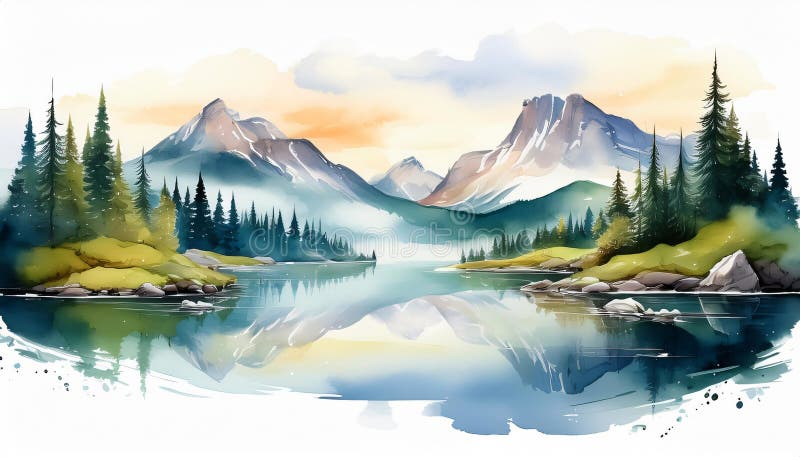
In our modern, fast-paced world, it’s easy to become disconnected from nature. Yet, reconnecting with the natural world can provide significant healing benefits for both the mind and body. Nature offers a sanctuary of peace, stillness, and balance, which can be vital components in any wellness journey.
The healing power of nature, also known as “ecotherapy” or “nature therapy,” is supported by growing evidence showing that spending time in natural environments can help reduce stress, improve mood, boost immunity, and promote overall well-being.
Here’s how you can use nature as a healing tool in your wellness journey:
1. Engage in Forest Bathing (Shinrin-yoku)
Forest bathing, or Shinrin-yoku, is a Japanese practice that involves immersing yourself in the sights, sounds, and smells of a forest. This practice encourages mindfulness and can help reduce cortisol levels, which are linked to stress.
How to do it:
- Visit a forest or wooded area.
- Leave behind any distractions (like phones or books) and take in the natural surroundings.
- Walk slowly, breathe deeply, and notice the details around you—the rustling of leaves, the scent of pine, or the sound of birds chirping.
External Resource: The Health Benefits of Forest Bathing
2. Practice Grounding (Earthing)
Grounding, also known as earthing, involves direct physical contact with the earth—whether it’s walking barefoot on grass, sand, or soil. The practice is believed to help balance the body’s energy, reduce inflammation, and improve sleep quality.
How to do it:
- Take a walk barefoot on natural surfaces like grass, dirt, or sand.
- Stand or sit in direct contact with the earth, allowing your body to absorb its energy.
- Spend at least 10-15 minutes grounding each day, especially if you feel stressed or anxious.
External Resource: The Healing Benefits of Grounding
3. Spend Time Near Water
Water has a calming effect, and spending time near lakes, rivers, or oceans can help clear your mind and reduce stress. The sound of waves crashing or the sight of flowing water has been shown to lower blood pressure and promote relaxation.
How to do it:
- Visit a nearby beach, river, or lake and sit or walk along the shore.
- Listen to the sound of the water, practice deep breathing, and let your mind wander.
- If you can’t get to a body of water, try using a sound machine or app that mimics water sounds.
External Resource: Why Nature and Water are Important for Mental Health
4. Create a Garden Sanctuary
Gardening is not just a hobby; it’s a way to connect with the earth and nurture your mind. Whether it’s tending to plants indoors or growing a garden in your backyard, the act of planting and caring for life can reduce anxiety and create a sense of accomplishment.
How to do it:
- Start with simple plants or herbs that you can easily care for indoors.
- Create a space where you can sit, breathe deeply, and reflect while surrounded by greenery.
- Consider adding elements like water features or calming stones to enhance the peaceful atmosphere.
External Resource: The Mental Health Benefits of Gardening
5. Take a Nature Walk
Walking in nature is one of the simplest and most effective ways to benefit from the outdoors. The movement, combined with the calming presence of nature, helps clear the mind and promote physical wellness.
How to do it:
- Find a nearby park, trail, or natural area to explore.
- Walk slowly and attentively, focusing on the natural sights, sounds, and smells.
- Leave behind distractions like your phone, and immerse yourself in the experience.
External Resource: Why Nature Walks Boost Your Well-Being
6. Practice Nature Meditation
Nature meditation combines mindfulness and natural surroundings to help you feel grounded and at peace. By meditating outdoors, you enhance the experience with the sights and sounds of nature, leading to a deeper sense of calm.
How to do it:
- Find a quiet spot in nature—whether it’s in a park, garden, or by a river.
- Close your eyes and focus on your breath, gently bringing your attention to the sounds and sensations around you.
- If your mind wanders, simply return to the sound of birds, the rustling leaves, or the feeling of the earth beneath you.
External Resource: How Nature Meditation Can Reduce Stress
7. Connect with Nature Through Art
Nature has inspired artists for centuries. You don’t need to be an artist to benefit from this practice. Drawing, painting, or simply observing nature through an artistic lens can help reduce stress and improve mental clarity.
How to do it:
- Bring a sketchbook or camera to a park or nature reserve.
- Focus on capturing the natural beauty around you—whether it’s the color of the sky, the texture of leaves, or the stillness of a pond.
- You don’t have to create a masterpiece—just let nature’s beauty inspire you.
External Resource: Using Art to Heal and Relieve Stress
Conclusion
Nature offers a wealth of healing potential that can support and enhance your wellness journey. Whether you’re taking a walk in the park, practicing mindfulness outdoors, or simply sitting by a body of water, nature’s healing power is undeniable. The more we incorporate these natural practices into our daily lives, the more balanced and grounded we can feel.
By taking small steps to reconnect with nature, you can cultivate a peaceful, rejuvenating environment that nurtures both your mind and body.






Responses