
7 Powerful Ways to Find Calm When Life Feels Overwhelming


Table of Contents
Have you ever felt like your mind is racing faster than life itself — juggling endless responsibilities, emotions, and expectations — all while trying to keep a calm smile on your face? If so, you’re not alone. Many women today live in a constant state of “go,” where stillness feels like a luxury and rest almost feels wrong. Between work deadlines, family care, emotional pressures, and the invisible weight of “being everything for everyone,” it’s easy to feel emotionally exhausted and mentally scattered.
This chronic sense of overwhelm has quietly become one of the greatest wellness challenges of our modern world. Our nervous systems are overstimulated by constant notifications, noise, and multitasking, leaving us in a near-constant state of alert. Over time, this drains our energy, disrupts our sleep, and makes it harder to experience joy or focus.
But here’s the truth: calm isn’t something we have to chase — it’s something we can cultivate.
At WellnessTune, we believe that true healing begins from within. Calmness is not about escaping life’s chaos, but learning how to find peace within it. This blog will guide you through seven powerful, holistic ways to find calm when life feels overwhelming — combining mindful practices, gentle lifestyle shifts, and emotional self-care tools that truly work.
Each of these steps draws from time-tested healing principles found in mindfulness, psychology, and holistic wellness — tailored for women who crave balance but don’t have hours to spare. These practices are simple, practical, and empowering. They’ll help you reconnect to your breath, your body, and your inner stillness — even on the hardest days.
“Within you, there is a stillness and a sanctuary to which you can retreat at any time.”
— Hermann Hesse
In the next section, we’ll explore what “overwhelm” really means, why it happens, and how understanding it is the first step toward healing.
Ready to begin your calm journey? Explore more free resources at WellnessTune — your home for holistic healing and mindful living.

Understanding the Nature of Overwhelm
Before we can truly find calm, we need to understand what’s happening beneath the surface of overwhelm. Most of us think of being overwhelmed as an emotional state — a feeling of “too much.” But in reality, overwhelm is a full-body experience. It’s your nervous system, mind, and emotions sending up flares, signaling that your internal balance has been pushed to its edge.
What Overwhelm Really Is
Overwhelm occurs when your mind perceives that life’s demands exceed your ability to manage them. It’s not just mental stress — it’s the body’s protective response to too many inputs at once. When this happens, your brain activates the stress response system — releasing cortisol and adrenaline to help you cope. In small bursts, that’s helpful. But when this system stays “on” too long, you begin to feel foggy, fatigued, anxious, and emotionally flooded.
Your body starts living in survival mode, even when you’re safe. That’s why your thoughts spiral, your heart races, and even small decisions start feeling monumental.
Signs You’re Experiencing Overwhelm
Recognizing the signs is the first step toward calm. Here are some common indicators that your mind and body are signaling overload:
- You feel constantly “on edge” or tense.
- You forget things easily or find it hard to focus.
- Your sleep feels restless, even after a full night.
- You feel detached from joy, creativity, or motivation.
- Small irritations trigger large emotional reactions.
If these sound familiar, take a deep breath — nothing is wrong with you. Your nervous system is simply doing its job: trying to protect you from perceived overload.
The Nervous System Connection
Think of your nervous system as the command center of calm. When you’re in balance, the parasympathetic nervous system (often called the “rest and digest” mode) helps your body stay grounded. But when life’s chaos keeps triggering your sympathetic system (“fight or flight”), your body remains in survival mode.
Over time, this imbalance drains your resilience and amplifies stress. That’s why healing overwhelm requires more than positive thinking — it requires helping the body feel safe again.
Quick Reflection Exercise
Pause for a moment. Place a hand on your heart and ask:
“What does my body need right now — rest, release, or reassurance?”
This tiny check-in begins to rebuild self-trust — one mindful breath at a time.
Calm Mind vs. Overwhelmed Mind
| Calm Mind | Overwhelmed Mind |
|---|---|
| Steady focus and clear priorities | Scattered thoughts and indecision |
| Deep breathing and slower heart rate | Shallow, rapid breathing |
| Responds to life with awareness | Reacts impulsively or emotionally |
| Feels grounded in the present | Feels trapped in “what ifs” |
| Finds moments of gratitude | Feels drained and disconnected |
When you can recognize which state you’re in, you can begin to shift intentionally toward calm.
To help you make that shift, the next section will explore how your mind and body are deeply connected — and why every path to peace begins within.
Explore more mindfulness-based guides at wellnesstune.com/blog to continue nurturing your inner calm.
The Mind-Body Connection: Why Calm Begins Within
Finding calm isn’t just a mental exercise — it’s a full-body practice. Your mind and body are deeply intertwined, constantly sending signals back and forth. When your thoughts spiral, your muscles tighten, your breathing changes, and your nervous system reacts. Conversely, when your body feels relaxed, your mind naturally slows, and clarity emerges. Understanding this connection is essential for women seeking holistic, lasting calm.
Why Your Body Feels Overwhelmed
Stress doesn’t just exist in your head. It lives in your body too. Tight shoulders, headaches, restless legs, and shallow breathing are all physical expressions of mental overwhelm. When your nervous system perceives threat, it prepares your body to “fight or flee,” even if the threat is purely emotional or imagined. Over time, these physiological reactions become habitual, making it hard to access calm even when you consciously want it.
How Thoughts Influence the Body
Your mind shapes your body’s response to stress more than you might realize. Worrying about tomorrow, ruminating over past events, or feeling unable to manage your responsibilities triggers cortisol release, heart rate spikes, and muscle tension. Conversely, positive thoughts, affirmations, or mindful attention can signal safety, helping the parasympathetic nervous system engage and promoting relaxation.
Bullet Points: Mind-Body Feedback Loop
- Negative thoughts → tension, shallow breathing, fatigue
- Physical tension → amplifies anxious thoughts
- Mindful attention → calms nervous system → eases body tension
- Deep breathing → signals brain “all is safe” → promotes mental clarity
Holistic Ways to Soothe the Nervous System
Calm begins when you address both body and mind together. Here are practical tools that women can integrate into daily life:
- Mindful Breathing: Even a few minutes of focused breath reduces cortisol and heart rate.
- Gentle Movement: Stretching, yoga, or a short walk communicates safety to the nervous system.
- Nutrition: Magnesium-rich foods, herbal teas, and omega-3s support calm.
- Emotional Journaling: Putting feelings on paper can reduce mental clutter and promote clarity.
These tools are not just temporary relief — when practiced consistently, they train your mind and body to respond to stress with ease and resilience.
Why Calm is Learnable
Many women believe calm is something they either have or don’t — a natural temperament. In truth, calm is a skill, built through consistent practice of mindful awareness, body-based techniques, and emotional self-care. Every small step, every conscious breath, every grounding exercise strengthens the neural pathways that make calm your default state.
“Peace is not the absence of chaos, but the presence of calm within it.”
The next section will move from understanding calm to practical action — starting with Step 1: Breathe Through the Chaos, where you’ll learn simple yet powerful breathing techniques that immediately engage your body’s natural relaxation response.
For more guided practices and step-by-step exercises, explore wellnesstune’s Calm Within Chaos course.
Step 1: Breathe Through the Chaos – The Power of Conscious Breathing
When life feels overwhelming, it’s easy to forget that your breath is your anchor. Conscious breathing is one of the simplest yet most powerful tools to calm the mind, relax the body, and restore balance in moments of stress. By intentionally directing your breath, you signal to your nervous system that all is safe, helping your body shift from “fight or flight” to a state of ease and clarity.
Why Breath Matters
Breathing is unique because it’s both automatic and controllable. You don’t have to think about it to survive, but by consciously controlling your inhale and exhale, you can influence heart rate, blood pressure, and emotional state. Stress causes shallow, rapid breathing, which reinforces feelings of tension. Mindful breathing reverses this cycle, creating a feedback loop of calm.
Key Benefits of Conscious Breathing:
- Lowers cortisol (stress hormone) levels
- Reduces anxiety and racing thoughts
- Improves mental clarity and focus
- Enhances emotional regulation
- Promotes restful sleep
Simple Breathing Techniques to Practice Daily
1. Box Breathing (4-4-4-4)
- Inhale for 4 seconds
- Hold for 4 seconds
- Exhale for 4 seconds
- Hold for 4 seconds
- Repeat 5–10 cycles, focusing on smooth, even breaths
2. 4-7-8 Breathing for Deep Relaxation
- Inhale quietly through your nose for 4 seconds
- Hold your breath for 7 seconds
- Exhale slowly through your mouth for 8 seconds
- Repeat 4–6 cycles
- This technique can be especially helpful before bed or during high-stress moments
3. Mindful Belly Breathing
- Place one hand on your chest and one on your belly
- Inhale deeply through your nose, allowing your belly to rise
- Exhale slowly, feeling the belly fall
- Focus your attention on the rise and fall for 5 minutes
- This anchors you to the present and calms racing thoughts
Tips for Integrating Breathwork into Daily Life
- Morning Ritual: Start your day with 2–3 minutes of mindful breathing to set a calm tone.
- During Work Breaks: Pause at your desk, close your eyes, and do 1–2 minutes of 4-7-8 breathing.
- Before Stressful Conversations: Take 3 slow belly breaths to ground yourself.
- Evening Wind-Down: Use mindful belly breathing or box breathing to transition from the day to rest.
The Science Behind Breath and Calm
Research shows that slow, deep breathing activates the parasympathetic nervous system, lowering heart rate and calming the mind. When practiced consistently, these techniques rewire your stress response, making it easier to respond with clarity rather than react impulsively.
“Every calm breath is a gentle reminder that you have the power to reset your mind and body — anytime, anywhere.”
Internal and External Resources
- For a guided step-by-step breathwork program, explore wellnesstune’s Calm Within Chaos course.
- Learn more about the science of mindful breathing at Greater Good Science Center.
This technique lays the foundation for calm, making it easier to move into the next step: creating space and decluttering both mind and environment.
Step 2: Create Space – Declutter Your Mind and Environment
Overwhelm often feels heavier than it is because your mind and surroundings are cluttered. Chaos in your environment can directly amplify chaos in your thoughts. By intentionally creating space — both physically and mentally — you invite calm and clarity into your life.
Why Decluttering Matters
Your brain processes visual stimuli constantly. A cluttered space demands attention, triggers stress, and signals that “there’s too much to handle.” This can make even simple tasks feel draining. Conversely, a clear, organized environment promotes focus, relaxation, and a sense of control.
The same principle applies to your mental space. Lingering worries, unfinished tasks, and repetitive thoughts take up cognitive real estate, leaving little room for creativity, joy, or calm.
Practical Steps to Declutter Your Physical Space
1. Start Small:
- Choose one corner, drawer, or shelf and commit to clearing it.
- Remove items you no longer use or that don’t bring joy.
2. Adopt a “One In, One Out” Rule:
- Every time you bring something new in, remove one item.
- This prevents clutter from building up again.
3. Create Calm Zones:
- Designate areas in your home for relaxation — a cozy reading nook, meditation corner, or tidy workspace.
- Keep these zones free from distractions like electronics, bills, or unnecessary items.
4. Simplify Daily Tools:
- Streamline your wardrobe with versatile pieces.
- Organize your digital space: clear email inboxes, delete unused apps, and organize files.
Comparison Table: Cluttered Space vs Calm Space
| Cluttered Space | Calm Space |
|---|---|
| Hard to focus | Clear focus, fewer distractions |
| Feeling of stress | Feeling of relief and openness |
| Items scattered everywhere | Items organized and intentional |
| Visual chaos | Visual serenity and order |
| Mental overwhelm mirrors environment | Mental clarity mirrors environment |
Mental Decluttering Techniques
1. Brain Dump Journaling:
- Write down all your worries, tasks, and ideas.
- Seeing them on paper frees up mental bandwidth and reduces repetitive thinking.
2. Prioritize & Schedule:
- Identify top 3 priorities each day.
- Break tasks into small, manageable steps.
3. Mindful Breaks:
- Take 5–10 minutes to pause, stretch, or meditate during the day.
- Notice when your mind starts accumulating “mental clutter.”
Tips for Sustaining a Decluttered Life
- Spend 5 minutes at the end of each day putting items back in their place.
- Practice letting go of perfection — a clutter-free environment doesn’t have to be sterile, just intentional.
- Integrate mindful awareness: notice how your environment affects your mood and adjust accordingly.
Creating space is an essential foundation for calm, preparing your mind for the next step: grounding yourself in the present moment — a powerful tool to remain centered no matter what life throws your way.
For guided exercises and holistic tools to declutter your mind and cultivate calm, check out wellnesstune’s Calm Within Chaos course.

Step 3: Ground Yourself in the Present Moment
Once you’ve cleared physical and mental clutter, the next step to finding calm is grounding yourself in the present moment. Grounding is a practice that connects your mind to your body and the world around you, helping you release tension, reduce anxious thoughts, and stabilize emotions. It’s especially powerful for women juggling multiple responsibilities and facing daily overwhelm.
Why Grounding Matters
When you feel scattered, your thoughts often drift to the past or future. Worrying about what’s next or replaying what already happened activates stress responses and keeps your nervous system on high alert. Grounding brings your attention back to the here and now, signaling safety to your body and creating a sense of control and clarity.
Five-Step Grounding Practice
1. Connect Through Your Senses
- Notice 5 things you can see, 4 things you can touch, 3 things you can hear, 2 things you can smell, and 1 thing you can taste.
- This sensory check-in anchors your mind immediately.
2. Feel Your Body
- Stand or sit comfortably.
- Feel your feet touching the ground, your weight in the chair, and your hands resting naturally.
- This physical awareness draws attention away from racing thoughts.
3. Use Breath Awareness
- Inhale deeply for 4 counts, hold for 2, exhale for 6.
- Focus on the sensation of air moving through your body.
- Syncing breath with body awareness enhances grounding.
4. Gentle Movement
- Try slow, mindful movements: stretching, shoulder rolls, or walking barefoot.
- Movement helps release pent-up tension stored in muscles.
5. Mindful Visualization
- Picture yourself rooted like a tree, with your feet connecting deeply to the earth.
- Imagine tension flowing down and out through your roots, leaving calm in its place.
Tips for Daily Grounding
- Morning: Start the day with a 5-minute sensory check-in.
- During Work: Pause mid-morning or mid-afternoon for mindful foot placement and breathing.
- Evening: Ground before bed with visualization or light stretching to promote restful sleep.
Mini Tip Box:
“Whenever your thoughts spiral, pause. Feel your feet, take three deep breaths, and notice the world around you. This is your reset button.”
Why Grounding Works
Grounding shifts attention from mental chatter to physical presence, calming the nervous system and reducing the intensity of emotional overwhelm. Over time, practicing grounding helps you respond thoughtfully rather than react impulsively, fostering resilience and emotional stability.
Internal Link Placement:
- Link to wellnesstune blog for additional mindfulness and grounding exercises.
- Mention that grounding techniques are explored more deeply in Calm Within Chaos course.
By connecting to the present, you prepare your mind and body to nourish yourself from within, which is the next step: Step 4 – Nourish Your Nervous System with Calm-Boosting Foods.
Step 4: Nourish Your Nervous System with Calm-Boosting Foods
Calm isn’t just cultivated through the mind — what you eat has a profound impact on your nervous system and emotional well-being. Certain foods can help reduce stress hormones, stabilize mood, and support your body’s natural ability to relax. By nourishing yourself intentionally, you create a strong foundation for calm, even during life’s most overwhelming moments.
How Food Affects Stress
Stress triggers the release of cortisol, a hormone that increases blood sugar, raises heart rate, and prepares your body for “fight or flight.” While occasional cortisol spikes are normal, chronic stress paired with poor nutrition keeps the body in a heightened state of tension. Eating nutrient-dense, calming foods can help regulate cortisol, support neurotransmitter function, and soothe the nervous system.
Top Calm-Boosting Foods
| Calm-Boosting Foods | How They Help |
|---|---|
| Dark leafy greens (spinach, kale) | Magnesium-rich, relaxes muscles |
| Fatty fish (salmon, mackerel) | Omega-3s support brain function and mood |
| Nuts & seeds (almonds, pumpkin seeds) | Contain tryptophan for serotonin production |
| Herbal teas (chamomile, lavender) | Promote relaxation and sleep |
| Blueberries & berries | Antioxidants reduce oxidative stress |
| Dark chocolate (70%+) | Boosts endorphins, reduces cortisol |
Bullet Points: Simple Tips to Include Calm Foods Daily
- Add a handful of nuts or seeds to breakfast or snacks.
- Swap coffee with calming herbal teas in the afternoon.
- Include leafy greens in lunch and dinner meals.
- Snack on berries or a small piece of dark chocolate for an afternoon pick-me-up.
Meal Ideas to Promote Calm
- Breakfast: Overnight oats with blueberries, chia seeds, and almond butter
- Lunch: Quinoa salad with spinach, salmon, and avocado
- Snack: Herbal tea with a handful of pumpkin seeds
- Dinner: Baked salmon with roasted vegetables and a side of leafy greens
Tip: Hydration is also critical — even mild dehydration can increase cortisol and feelings of anxiety. Drink plenty of water and soothing herbal teas throughout the day.
Why Nutrition Matters for Emotional Resilience
By fueling your body with foods that support the nervous system, you’re not just managing hunger — you’re actively supporting mental clarity, emotional balance, and calm energy. Nutrition works best in combination with other holistic strategies like mindful breathing, grounding, and ritualized self-care.
Internal Link Placement:
- Link to wellnesstune all courses for more nutrition-focused wellness programs.
- Suggest exploring Calm Within Chaos course for guided lifestyle and dietary support.
With a nourished body, you are better prepared to tackle Step 5 – The Art of Letting Go, which focuses on emotional release and reclaiming your peace of mind.

Step 5: The Art of Letting Go – Releasing What You Can’t Control
One of the most profound ways to find calm when life feels overwhelming is learning to let go of what you cannot control. Holding onto worries, grudges, or unmet expectations keeps your mind and body in a constant state of tension. Letting go doesn’t mean giving up — it means choosing peace over unnecessary struggle.
Why Letting Go Feels So Hard
As women, we are often conditioned to carry responsibility for everyone and everything — family, work, relationships, and even emotional outcomes. This drive for control can lead to chronic stress and anxiety. The first step toward calm is recognizing what belongs to you and what doesn’t.
Signs you may be holding on too tightly:
- Obsessing over situations or people you cannot change
- Feeling frustrated or resentful when outcomes differ from expectations
- Difficulty relaxing, even during downtime
- Emotional exhaustion at the end of the day
By acknowledging these patterns, you create space for self-compassion and acceptance, which are essential for lasting calm.
Practical Ways to Let Go
1. Mindful Acceptance
- Recognize what is beyond your control.
- Repeat affirmations like:
“I release what I cannot change and focus on what I can.”
2. Journaling for Emotional Release
- Write down thoughts or worries without judgment.
- Identify patterns: Which worries are repetitive and beyond your control?
- Once written, close the journal with intention — symbolically releasing these thoughts.
3. Breath-Based Release
- Combine mindful breathing with intention: inhale deeply, imagining you’re gathering tension; exhale slowly, imagining you’re letting go.
- Repeat 5–10 times, visualizing calm flowing in and stress flowing out.
4. Emotional Boundaries
- Remind yourself: You are responsible for your emotions, not others’.
- Practice polite but firm detachment from unnecessary stressors.
Journaling Prompts for Letting Go
- “What am I holding that isn’t mine to carry?”
- “Which situations do I need to release to find peace?”
- “How can I honor my needs while letting go of control?”
Journaling creates clarity and emotional relief, reducing the mental load and fostering calm.
The Healing Power of Surrender
Letting go allows space for clarity, creativity, and joy. When you release control, your nervous system signals safety, tension dissipates, and your mind can focus on what truly matters. This is not a one-time exercise — it is a daily practice of compassion, intention, and awareness.
Internal Link Placement:
- Connect readers to wellnesstune for holistic wellness tools.
- Mention Calm Within Chaos course for guided emotional release techniques.
With the art of letting go in practice, you’re ready to move into Step 6 – Reconnect with Joy, a step that rekindles positive energy and nurtures your emotional well-being.
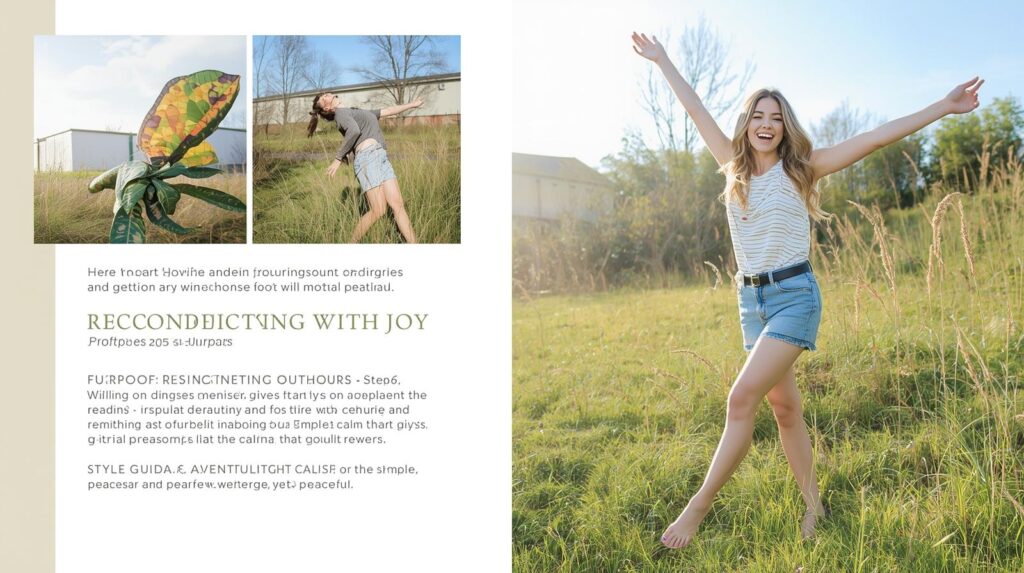
Step 6: Reconnect with Joy – Simple Pleasures That Heal
Calm isn’t only the absence of stress — it’s also the presence of joy, lightness, and fulfillment. Reconnecting with simple pleasures allows your nervous system to shift from tension to relaxation and helps restore emotional balance. For women navigating busy lives, joy can often feel elusive, but small, intentional moments can make a profound difference.
Why Joy Matters
Joy is more than a fleeting emotion — it’s a nourishment for the nervous system. Positive emotions trigger the release of endorphins and oxytocin, hormones that counteract stress and promote well-being. Incorporating joyful practices daily strengthens resilience and makes it easier to maintain calm during overwhelming periods.
Simple Daily Joy Practices
1. Engage in Creativity
- Painting, coloring, knitting, or writing can transport your mind away from stress.
- No need for perfection — focus on the process rather than the result.
2. Move Your Body for Pleasure
- Dance to your favorite music, stretch in sunlight, or take a mindful walk.
- Movement releases tension and boosts mood-enhancing chemicals.
3. Connect with Loved Ones
- Call or meet a friend who uplifts you.
- Share laughter, stories, or quiet presence — both boost emotional health.
4. Indulge in Nature
- Spend time outdoors noticing the sights, sounds, and scents around you.
- Even a short walk in a park or sitting by a window with natural light can reset your nervous system.
5. Mindful Micro-Moments
- Sip your tea slowly, savor a chocolate bite, or watch a sunrise.
- Notice sensations fully; let yourself enjoy without distraction.
Reflection Exercise
Take a few minutes to ask yourself:
“What small pleasure can I intentionally invite into my day today?”
Write it down and commit to it. Even brief moments of joy create cumulative positive effects, enhancing overall calm and well-being.
Bullet Points: Benefits of Reconnecting with Joy
- Reduces cortisol levels
- Improves mood and resilience
- Enhances creativity and focus
- Strengthens emotional health
Internal Link Placement:
- Encourage readers to explore more joy-focused wellness strategies on wellnesstune blog.
- Suggest Calm Within Chaos course for guided practices in joyful living.
By embracing joy, you protect your emotional energy, preparing for Step 7 – Protect Your Energy: Boundaries and Emotional Balance, where you learn to maintain calm even when life’s demands increase.
Step 7: Protect Your Energy – Boundaries and Emotional Balance
Finding calm is not only about practicing self-care — it’s also about protecting your energy from external drains. Setting boundaries and maintaining emotional balance are essential skills for women who feel overwhelmed by responsibilities, relationships, or societal expectations. When you honor your limits, you create space for calm, focus, and joy to flourish.
Why Boundaries Are Essential
Without boundaries, it’s easy to overcommit, take on others’ stress, and lose sight of your own needs. Boundaries are not selfish — they are a form of self-respect. Clear limits help you manage time, protect emotional well-being, and reduce burnout.
Signs You Need Stronger Boundaries:
- Feeling resentful after helping others
- Difficulty saying “no”
- Exhaustion despite adequate rest
- Emotional reactivity to others’ moods or demands
Practical Ways to Protect Your Energy
1. Learn the Art of Saying No
- Politely decline requests that don’t align with your priorities.
- Remember: “No” is a complete sentence.
2. Set Digital Boundaries
- Limit social media scrolling and unnecessary notifications.
- Schedule “screen-free” times to reconnect with yourself and your surroundings.
3. Delegate and Ask for Support
- You don’t have to do everything alone.
- Share responsibilities at home, work, and within your social circles.
4. Emotional Boundaries
- Recognize when others’ emotions or problems are affecting you.
- Offer support without absorbing their stress.
- Practice mindful detachment to maintain your calm.
Daily Energy Protection Habits
- Morning Intention Setting: Decide how you want to spend your energy today.
- Midday Check-In: Pause and notice if you’re overextended or emotionally drained.
- Evening Reflection: Journal about what boundaries worked and what can improve tomorrow.
Comparison Table: Healthy Boundaries vs. Energy Drain
| Healthy Boundaries | Energy Drain |
|---|---|
| Say “no” without guilt | Agree to everything and feel resentful |
| Take breaks and self-care | Overcommit and skip rest |
| Emotional detachment from unnecessary stress | Absorb others’ emotions constantly |
| Focus on personal priorities | Neglect your own needs |
| Consistent daily energy management | Reactive and chaotic energy |
The Long-Term Benefits of Protecting Your Energy
By establishing strong boundaries, you:
- Reduce chronic stress and overwhelm
- Preserve emotional well-being
- Increase productivity and focus
- Enhance relationships with mutual respect
- Cultivate sustainable calm in daily life
- Suggest exploring boundary-setting and energy practices at wellnesstune blog.
- Recommend Calm Within Chaos course for structured guidance on emotional balance and energy management.
FAQ – Finding Calm When Life Feels Overwhelming
1. How long does it take to feel calmer using these techniques?
Calm is a practice, not an instant fix. Some techniques, like conscious breathing or grounding exercises, can produce immediate relief in minutes. Others, like creating space, nourishing your body, or setting boundaries, are cumulative and become more effective with consistent practice over days and weeks.
2. Can these techniques work if I have a very busy schedule?
Absolutely. Each method is designed to be practical and adaptable, even for women juggling work, family, and personal commitments. Even 2–5 minutes of mindful breathing, a short grounding session, or a simple joy ritual can make a significant difference in reducing overwhelm.
3. Do I need to follow all seven steps to see results?
No, start where it feels most natural. Some may benefit immediately from breathwork, while others might find nourishing foods or emotional release more effective initially. Over time, integrating all seven steps creates holistic, sustainable calm.
4. Are these techniques scientifically backed?
Yes. Many of these practices are supported by research in psychology, neuroscience, and nutrition. Breathwork activates the parasympathetic nervous system, grounding reduces stress responses, and certain nutrients help regulate cortisol and support brain function. Emotional release and joy practices have also been shown to boost resilience and overall well-being.
5. Can I combine these practices with therapy or other wellness programs?
Absolutely. These techniques are complementary and can enhance the benefits of therapy, meditation, yoga, and other wellness programs. They are designed to be flexible and fit alongside professional guidance or personal wellness routines.
6. Where can I find guided support for these steps?
For structured guidance, exercises, and deeper exploration, you can join the Calm Within Chaos course at wellnesstune. The course offers practical tools, videos, and step-by-step instructions to cultivate calm in daily life.
7. How can I maintain calm long-term?
Consistency is key. Create daily rituals that include at least one element from each category: breathwork, grounding, nourishment, emotional release, joy, and boundaries. Over time, these practices train your mind and body to respond to stress with ease rather than overwhelm.
This FAQ section reinforces practical strategies while guiding readers to wellnesstune resources and the Calm Within Chaos course for ongoing support.






Responses