
Reclaim Your Calm: How to Use Aromatherapy for Revolutionary Midlife Hormone Balance in 2025

Table of Contents
Navigating the Midlife Hormonal Seas
How to Use Aromatherapy for Revolutionary Midlife Hormone Balance; If you’re a woman in your forties, fifties, or beyond, you’re likely all too familiar with the unexpected tides of change that midlife can bring. One day you feel like yourself, and the next, a wave of heat, a pang of anxiety, or a fog of forgetfulness rolls in, leaving you feeling unmoored. This journey through perimenopause and menopause is a profound transition, a hormonal sea that every woman must navigate. But what if you had a gentle, natural compass to help you find your way?
What if you could harness the power of nature’s own essences to soothe the stormy waters and rediscover a sense of calm and balance? This is precisely where the ancient, soul-nurturing practice of aromatherapy comes in. It’s not about fighting your body’s natural process, but about learning to support it, to listen to its whispers, and to nurture yourself through this change with grace and compassion.
In this guide, we will explore exactly how to use aromatherapy for midlife hormone balance, offering you a practical, empowering toolkit to reclaim your equilibrium. This is a beautiful first step, and if you feel called to dive even deeper into crafting a personalized, soul-level practice, our comprehensive course, Aromatherapy for Your Soul: A Nurturing Midlife Guide to Emotional Balance, is designed to be your loving guide.
Think of this not as one more item on your to-do list, but as an invitation to create moments of profound self-care. Essential oils are more than just pleasant scents; they are concentrated plant medicines that speak the language of your body and emotions. They can help modulate your stress response, support your endocrine system, and provide comfort when you need it most.
This isn’t a quick fix, but a return to a slower, more intuitive way of caring for yourself—a practice that honors the wisdom of your changing body. We’ll walk through the science in simple terms, introduce you to the most effective essential oils, and provide simple, safe recipes you can start using today. So, take a deep breath, dear one. You are not alone on this journey, and a more balanced, fragrant path awaits.
The Hormone Rollercoaster: Understanding Your Body’s Midlife Shift
Before we delve into the beautiful solutions aromatherapy offers, it’s empowering to understand exactly what’s happening within your body. Knowledge is power, and when we can name what we’re experiencing, it often loses some of its power to frighten or frustrate us. The midlife transition is a natural, biological process, not a disorder. It’s a sign that your body is wise, moving from one chapter of life into the next. Let’s gently unpack what this shift entails.
What’s Really Happening? Perimenopause, Menopause, and Your Endocrine System
At the heart of this transition is your endocrine system—the intricate network of glands that produce and regulate your hormones. For decades, your ovaries have been the primary producers of estrogen and progesterone, the hormones that orchestrate your menstrual cycle and influence everything from your mood to your bone health. As you enter perimenopause (the years leading up to menopause), your ovaries begin to slow down their production. They don’t shut off like a switch, but rather, they fluctuate wildly—like a radio station fading in and out.
This is why you might have months of intense symptoms followed by periods of relative calm. Menopause is officially diagnosed after you’ve gone 12 consecutive months without a menstrual period, marking the end of your reproductive years. This entire process impacts far more than just your cycle; it affects a symphony of bodily functions because estrogen receptors are found throughout your body—in your brain, skin, bones, and heart. Understanding this helps us see that symptoms are not “all in your head”; they are a direct reflection of this profound internal recalibration.
Common Symptoms: It’s More Than Just Hot Flashes
While hot flashes are the most talked-about symptom, the hormonal fluctuations of midlife can manifest in a wide variety of ways, touching every aspect of your well-being. You may experience only a few of these, or you may feel like you’re dealing with a revolving door of challenges. Wherever you are on that spectrum, please know your experience is valid. Common symptoms include:
- Emotional & Mental: Mood swings, irritability, anxiety, feelings of sadness or depression, “brain fog,” memory lapses, and difficulty concentrating.
- Physical: Hot flashes, night sweats, sleep disturbances (insomnia), fatigue, weight gain (especially around the abdomen), changes in libido, vaginal dryness, joint pain, and headaches.
- Other Changes: Irregular periods, hair thinning, dry skin, and heart palpitations.
This list can feel overwhelming, but view it as a map of your body’s communication. Each symptom is a signal, pointing to areas where your body is asking for support. And this is where our gentle, plant-based allies can make a world of difference. As we move forward, we’ll connect specific essential oils to these specific challenges, showing you a natural path to relief. For a supportive community and a structured path to managing these changes, remember that our course, Aromatherapy for Your Soul, offers a nurturing space to explore these connections more deeply.
The Science of Scent: How Aromatherapy Interacts with Your Hormones
It’s one thing to know that aromatherapy can help, but it’s another, more empowering thing entirely to understand how it works. When we appreciate the beautiful science behind the scent, we can use these tools with greater intention and confidence. This isn’t just folklore; it’s a fascinating interplay between botany, chemistry, and our own biology. Let’s demystify the process and explore how inhaling a simple aroma can ripple through your entire system to promote hormonal harmony.
The Direct Pathway: Your Nose, Your Brain, and Your Hormones
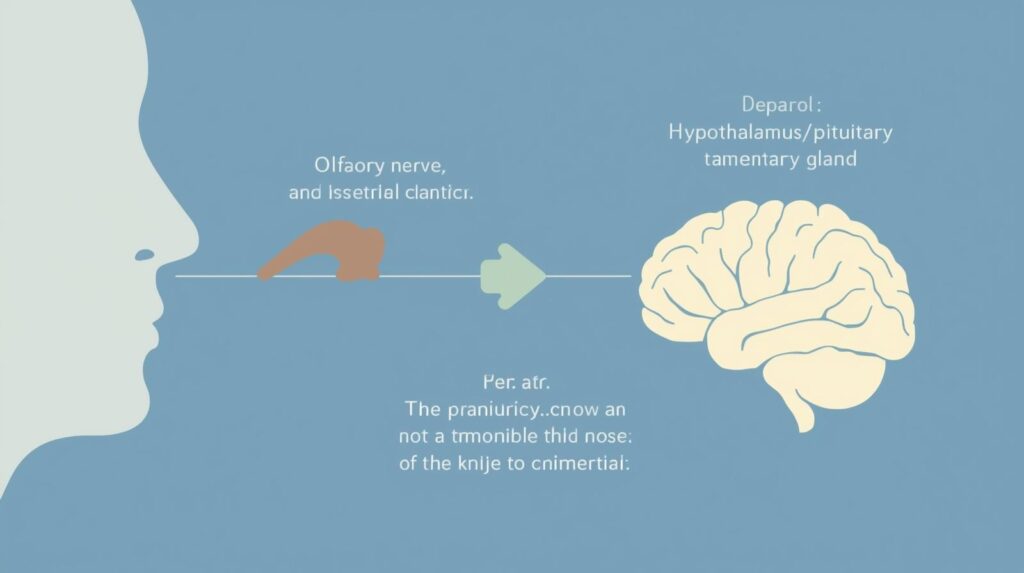
The journey of an essential oil molecule begins the moment it enters your nose. As you inhale, these microscopic volatile molecules travel up the olfactory nerve, directly to the limbic system in your brain. Think of the limbic system as the command center for your emotions, memories, and, crucially, your endocrine system. It has a direct hotline to the hypothalamus, often called the “master gland” because it tells your pituitary gland what to do, which in turn regulates the hormone output of your ovaries, adrenal glands, and thyroid.
When you inhale a calming scent like Lavender, the message travels this superhighway to your hypothalamus, signaling it to dial down the “fight-or-flight” stress response and encourage a state of calm. This is a prime example of how to use aromatherapy for midlife hormone balance—by using scent as a direct line of communication to the very part of your brain that governs your hormonal equilibrium. It’s a way of sending a gentle, non-invasive memo to your body, suggesting it shift toward balance.
Essential Oils as Gentle Messengers for the Endocrine System
Beyond this direct neurological pathway, certain essential oils contain chemical constituents that can have a more direct, though subtle, influence on the endocrine system itself. This is primarily through two key actions. First is their remarkable ability to modulate the stress response. When you’re under chronic stress, your adrenal glands produce excess cortisol. High cortisol can wreak havoc on midlife hormone balance, stealing the precursors needed to make progesterone and leading to greater estrogen dominance. Oils like Clary Sage and Bergamot have been shown in studies to reduce cortisol levels, thereby supporting a healthier hormonal environment.
The second action is through “phytoestrogens” or “estrogen-like” activity. Some oils, such as Fennel and Geranium, contain molecules that can have a very mild, balancing effect on estrogen levels. It’s crucial to understand that this is not like taking a hormone pill; it’s a gentle, modulating influence. If your body has excess estrogen, these oils can help occupy receptor sites and block stronger, more problematic estrogens. If your levels are low, their mild effect can provide a slight boost. This bifunctional ability is why they are known as “adaptogens” or “balancers” in the herbal world.
Understanding this dual-action—neurological and potential endocrine support—allows you to see essential oils as sophisticated, gentle messengers working in concert with your body’s innate wisdom.
Your Aromatherapy Toolkit: Top Essential Oils for Hormonal Harmony
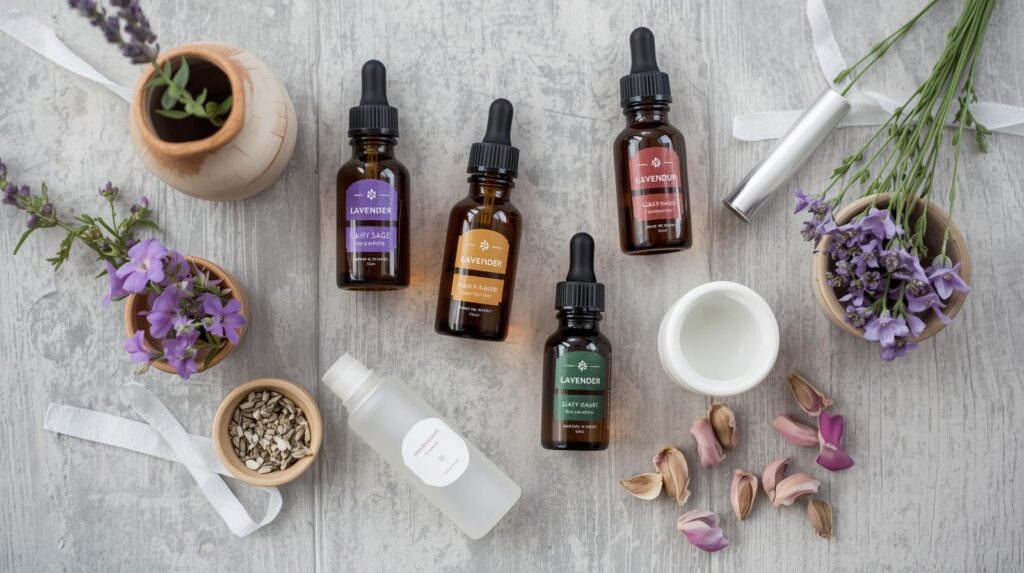
Now that we understand the beautiful science behind the practice, it’s time to meet your new allies. Building your personal aromatherapy toolkit is like assembling a trusted circle of friends, each with their own unique strengths to support you through this journey. The following essential oils have been selected for their specific affinity for the challenges of midlife hormonal shifts. We’ve grouped them by their primary actions to help you intuitively choose the right oil for what you’re experiencing right now. Remember, the goal is balance, and these plant essences are masterful balancers.
Aromatherapy for Stress and Cortisol Management
Chronic stress is one of the biggest disruptors of hormonal harmony in midlife. By calming the nervous system and lowering cortisol, these oils create the foundational peace necessary for your body to find its natural balance.
- Lavender (Lavandula angustifolia): The Universal Soother
Lavender is the quintessential oil for relaxation for a very good reason. Its chemical profile, rich in linalool and linalyl acetate, has been extensively studied for its calming, anti-anxiety, and sedative properties. When your mind is racing with worries at 3 AM or you feel that familiar tension creeping into your shoulders after a stressful day, Lavender is your first line of defense. It doesn’t just mask stress; it signals your brain and body to shift from a sympathetic (fight-or-flight) state to a parasympathetic (rest-and-digest) state. This is critical for midlife hormone balance because a calm nervous system means lower cortisol, which in turn allows for better production and regulation of progesterone and estrogen. It’s the gentle, reassuring anchor in any hormonal storm. - Clary Sage (Salvia sclarea): The Woman’s Balancing Act
If there was a crown jewel of essential oils for midlife women, Clary Sage would be a strong contender. Its name comes from the Latin “clarus,” meaning clear, and it has a long history of use for clarifying vision—not just physical, but emotional as well. For our hormonal health, Clary Sage is a powerhouse. It is renowned for its ability to ease menstrual cramps and regulate cycles during perimenopause, but its magic extends far beyond that. Research has shown that inhaling Clary Sage can significantly reduce cortisol levels and even have an antidepressant effect. Furthermore, it contains natural phytoestrogens, which can help bring a balancing effect to fluctuating estrogen levels. Its earthy, herbaceous scent is deeply grounding, making it an excellent choice when you feel emotionally fragile or unmoored by hormonal swings. - Bergamot (Citrus bergamia): Uplifting the Spirit
Bergamot is a unique citrus oil, expressed from the rind of a fruit that is a cross between a lemon and a bitter orange. What sets it apart from other bright, energizing citruses is its dual ability to both uplift and calm. It’s the oil of joyful serenity. For midlife women navigating the sometimes heavy emotions that can accompany hormonal shifts, Bergamot is a gift. It can gently lift the spirits when you’re feeling down, anxious, or irritable, without being overstimulating. Its key constituent, linalool (also found in Lavender), contributes to its calming properties. By alleviating feelings of stress and promoting a positive mindset, Bergamot indirectly supports hormonal balance by fostering an emotional environment where your body isn’t constantly bombarded by stress chemicals. A note of caution: Bergamot is phototoxic, so avoid applying it to skin that will be exposed to direct sunlight.
Aromatherapy for Estrogen and Progesterone Support
These oils are specifically supportive of the delicate dance between estrogen and progesterone. They can help modulate the effects of estrogen dominance or provide gentle support when levels begin to decline.
- Geranium (Pelargonium graveolens): The Hormonal Harmonizer
Geranium essential oil is like a skilled conductor for your endocrine system, helping to bring all the sections into harmony. It is particularly celebrated for its ability to balance estrogen and progesterone levels. For women experiencing the wild fluctuations of perimenopause, Geranium can be a stabilizing force. Its sweet, floral, and slightly rosy scent is also profoundly comforting and emotionally balancing. It’s known to help relieve feelings of stress and tension, but its special gift is in addressing the hormonal roots of that tension. If you struggle with fluid retention, breast tenderness, or heavy, irregular periods—all signs of estrogen dominance—Geranium should be a staple in your toolkit. It helps the body let go of what it doesn’t need and find its way back to center. - Rose (Rosa damascena): The Heart-Opening Healer
Rose is perhaps the most sacred and cherished essential oil, and for good reason. Its vibration is one of deep, unconditional love and heart healing. For the midlife woman, this can be profoundly powerful as you navigate the complex emotions of this life stage—perhaps grieving your youth, redefining your identity, or processing past wounds. On a physical level, Rose Otto (steam-distilled rose) is a wonderful uterine tonic and has been used for centuries to support female reproductive health. It contains natural citronellol, which has been shown to have mild estrogenic activity, making it a gentle, supportive ally for declining estrogen levels. Its intoxicating scent can help alleviate anxiety and promote feelings of self-worth and compassion. While it is one of the more expensive oils, its potency means a little goes a very long way, and its profound effects on the mind, body, and soul make it a worthwhile investment in your well-being. - Fennel (Foeniculum vulgare): A Gentle Estrogenic Ally
Fennel essential oil, with its sweet, licorice-like aroma, is a well-known digestive aid, but its benefits for midlife women are equally impressive. It is rich in trans-anethole, a compound that gives Fennel its mild estrogenic properties. This means it can gently support the body when estrogen levels are declining, helping to mitigate symptoms like hot flashes and bone density loss. It’s important to approach Fennel with awareness; its estrogenic action means it may not be suitable for those with estrogen-dependent conditions. However, for many women, used in moderation and with proper dilution, it can be a valuable part of a balancing blend, particularly when combined with progesteronic oils like Clary Sage.
Aromatherapy for Energy, Focus, and Thyroid Function
Midlife hormonal shifts often bring fatigue and brain fog. These oils can help support your thyroid (a key player in energy metabolism) and sharpen your mental clarity.
- Rosemary (Rosmarinus officinalis): The Mental Clarifier
When “brain fog” feels like a thick blanket over your thoughts, Rosemary is the oil to cut through it. Studies have shown that simply inhaling Rosemary essential oil can improve cognitive performance, memory, and concentration. Its stimulating, herbaceous scent is invigorating and helps to combat mental fatigue. For hormonal health, Rosemary is also considered a mild thyroid stimulant, which can be beneficial if you’re experiencing the low energy and sluggish metabolism that can sometimes accompany midlife. It’s an excellent oil to diffuse at your desk in the afternoon or to use in a morning shower to invigorate your senses and prepare for the day ahead. - Peppermint (Mentha piperita): The Cooling Energizer
Peppermint is a dynamic oil with a wide range of uses. Its most immediate benefit for midlife hormone balance is its cooling sensation, which can provide instant relief during a hot flash or night sweat. A drop on the back of the neck or diffused into the air can feel like a fresh, cool breeze. Beyond its cooling properties, Peppermint is a powerful energizer. Inhaling its crisp, minty aroma can fight fatigue, reduce feelings of overwhelm, and boost alertness. It can also soothe hormonal headaches and support digestion. It’s a potent oil, so use it sparingly, but it’s an incredibly effective tool for moments when you need a quick, refreshing pick-me-up.
To give you a clear, at-a-glance overview of your new toolkit, here is a summary table:
| Essential Oil | Primary Emotional Benefit | Primary Physical Benefit for Hormones | Best Used For |
|---|---|---|---|
| Lavender | Calming, soothing anxiety | Lowers cortisol, supports sleep | Stressful days, nighttime routines, general relaxation |
| Clary Sage | Euphoric, emotionally balancing | Reduces cortisol, phytoestrogenic, eases cramps | Hormonal mood swings, menstrual discomfort, stress relief |
| Bergamot | Uplifting yet calming | Mood support, lowers stress response | Anxiety, low mood, irritability |
| Geranium | Emotionally balancing, comforting | Balances estrogen & progesterone, diuretic | Estrogen dominance symptoms, emotional volatility |
| Rose | Heart-opening, self-love | Gentle uterine tonic, mild estrogenic | Emotional healing, self-care rituals, grief |
| Fennel | Strengthening, comforting | Mild estrogenic, supports digestion | Hot flashes, bone health support (with caution) |
| Rosemary | Mental clarity, focus | Thyroid support, cognitive stimulant | Brain fog, fatigue, low motivation |
| Peppermint | Energizing, cooling | Cools hot flashes, relieves headaches | Instant cooling, mental fatigue, hormonal headaches |
This table is just the beginning. To truly master the art of blending these oils for your unique needs and to understand the soul-level connection they can foster, our course, Aromatherapy for Your Soul, provides a nurturing and in-depth framework.
How to Use Aromatherapy for Midlife Hormone Balance: A Practical Guide
Knowing which oils to use is half the battle; the other half is knowing how to use them safely and effectively. The method you choose can change the experience and the outcome, turning a simple practice into a powerful ritual of self-care. There are several wonderful ways to incorporate essential oils into your daily life, each with its own unique benefits. Let’s explore the most common and effective methods so you can feel confident as you begin your journey. This practical knowledge is the cornerstone of learning how to use aromatherapy for midlife hormone balance in a way that is both sustainable and deeply rewarding.
Method 1: Inhalation and Diffusion for Immediate Relief
Inhalation is the most direct and fastest-acting method of aromatherapy. It’s your go-to for immediate emotional support, quick stress relief, or alleviating a sudden hot flash. When you inhale an essential oil, the therapeutic molecules bypass the digestive system and bloodstream, going straight from your nose to your brain, as we discussed earlier. This makes it ideal for influencing mood, calming the mind, and sending those important signals to the hypothalamus. Using an ultrasonic diffuser is one of the easiest ways to enjoy inhalation. These devices use water and vibrations to disperse a fine mist of essential oils into the air, filling your space with a gentle, continuous aroma. To use your diffuser effectively:
- Consult Your Manual: First, always check your specific diffuser’s instructions for water capacity and oil drop recommendations.
- Fill with Water: Use room-temperature water, filling the tank to the indicated line. Using distilled water can help prevent mineral buildup and extend the life of your device.
- Add Your Oils: Add 3-5 drops of a single oil or your custom blend to the water. For a larger room, you may use up to 10 drops, but it’s always best to start with less—you can always add more.
- Turn It On: Place the lid back on and turn on your diffuser. Enjoy the aroma for 30-60 minutes at a time, allowing for breaks to prevent olfactory fatigue (where your nose gets used to the scent and stops noticing it).
If you don’t have a diffuser, you can achieve the same effect by simply placing a drop or two of oil on a tissue or cotton ball and inhaling deeply. You can also add a few drops to a bowl of steaming hot water, place a towel over your head, and lean over the bowl to create a potent, personal steam inhalation—this is especially wonderful for sinus congestion or a deeply calming moment.
Method 2: Topical Application for Sustained Support
Topical application allows the essential oils to be absorbed through your skin, where they can enter the bloodstream and provide more localized, sustained support to your body. This method is excellent for targeting specific areas, like applying a blend to your abdomen for menstrual cramps or to your wrists for all-day emotional support. However, this method requires the most care and knowledge.
- The Critical Rule of Dilution: Keeping Your Skin Safe
With very few exceptions, essential oils must always be diluted in a carrier oil before being applied to the skin. Carrier oils are neutral, fatty plant oils that “carry” the essential oil safely onto your skin. They prevent irritation, sensitization, and phototoxic reactions. Excellent carrier oils include Jojoba, Fractionated Coconut Oil, Sweet Almond Oil, and Apricot Kernel Oil. A standard safe dilution for general body use for adults is 1-2%, which translates to:- 1% Dilution: 5-6 drops of essential oil per 1 ounce (30 mL) of carrier oil.
- 2% Dilution: 10-12 drops of essential oil per 1 ounce (30 mL) of carrier oil.
For facial skin, sensitive areas, or long-term daily use, a 0.5% – 1% dilution is recommended. Always perform a patch test on a small area of skin (like your inner arm) before using a new blend more widely.
- How to Make a Simple Roll-On Blend
Roll-on bottles are a convenient and mess-free way to use your topical blends. Here’s how to make one:- Get a Roll-On Bottle: Purchase a glass 10 mL roll-on bottle (they often come with a funnel).
- Add Your Oils: Using the funnel, add your essential oils. For a 10 mL bottle, a 2% dilution is about 6 drops total of essential oil(s).
- Fill with Carrier Oil: Fill the rest of the bottle with your chosen carrier oil.
- Cap and Shake: Place the rollerball and cap on the bottle and shake gently to combine.
- Label: Always label your blend with the date and ingredients!
Method 3: Aromatic Bathing for Deep Relaxation
Turning your bath into an aromatic sanctuary is one of the most luxurious and therapeutic ways to use essential oils. The warm water helps the oils absorb into your skin while you inhale the steam, creating a full-body, immersive experience.
To do this safely, never add undiluted essential oils directly to your bathwater, as they can sit on the surface and cause skin irritation. Instead, first mix 5-10 drops of your essential oil blend with a tablespoon of a dispersing agent like full-fat milk, honey, or a carrier oil. Pour this mixture into your running bath water and swirl to disperse. This method is perfect for a weekly deep-relaxation ritual to soothe aching muscles, calm the mind before bed, and honor your body with loving care.
To help you decide which method to use and when, here is a quick comparison:
| Method | Best For | Onset of Action | Duration of Effect | Key Consideration |
|---|---|---|---|---|
| Inhalation/Diffusion | Immediate mood shift, stress relief, purifying air, affecting the limbic system. | Very Fast (seconds to minutes) | Short-lived (lasts while diffusing) | Ideal for quick, emotional support. |
| Topical Application | Localized relief (e.g., abdomen, temples), sustained systemic support, skincare. | Slower (minutes to absorb) | Longer-lasting (hours) | Dilution is non-negotiable for safety. |
| Aromatic Bathing | Deep relaxation, full-body immersion, combining skin absorption with inhalation. | Moderate | Moderate to Long | Must be properly diluted in a dispersant. |
Understanding these methods empowers you to choose the right tool for the moment, whether you need an instant calm during a hectic day or sustained support for overall hormonal harmony. As you become more comfortable, you’ll find that this practice is a beautiful way to reclaim a sense of agency over your well-being. For more detailed recipes and guided practices that weave these methods into a cohesive self-care plan, our course, Aromatherapy for Your Soul, offers a structured and supportive path forward.
Creating Your Personalized Hormone-Balancing Blends
This is where your journey with aromatherapy becomes truly personal and transformative. Blending essential oils is an art form—a gentle, intuitive practice of combining these plant allies to create a synergy that is greater than the sum of its parts. It’s about listening to what your body and soul need in a given moment and crafting a fragrant response. Whether you need to be soothed, uplifted, cooled down, or grounded, you can create a custom blend that speaks directly to your needs. Let’s walk through the simple principles of safe and effective blending and then explore some starter recipes designed specifically for the challenges of midlife hormonal balance.
A Simple Guide to Safe and Effective Blending
Before you begin, remember that blending is a journey of discovery. There are no hard and fast rules, but there are helpful guidelines. Start by choosing a “note” system: select one oil that will be your base note (the deep, long-lasting scent like Sandalwood or Vetiver, though we’re focusing on hormonal oils here), a middle note (the heart of the blend, like Geranium or Clary Sage), and a top note (the first scent you perceive, light and uplifting, like Bergamot or Orange).
For our purposes, we’ll focus on creating harmonious blends from the oils we’ve already discussed. Always write down your recipes! Note the oils and the number of drops you use so you can recreate a blend you love or adjust one that isn’t quite right. Most importantly, trust your nose. If a combination smells beautiful and calming to you, it is likely working its magic on an emotional level.
Blend 1: The “Serenity Now” Diffuser Blend for Stressful Days
When cortisol feels like it’s pumping through your veins and the world is demanding too much, this blend is your aromatic sanctuary. It combines calming Lavender, emotionally balancing Clary Sage, and uplifting Bergamot to tell your nervous system that it’s safe to relax. This is a perfect example of how to use aromatherapy for midlife hormone balance by directly targeting the stress that disrupts it.
- 3 drops Lavender: To calm the nervous system and soothe frantic energy.
- 2 drops Clary Sage: To balance emotions and provide a sense of euphoric grounding.
- 1 drop Bergamot: To gently uplift the spirit and counteract feelings of irritability or sadness.
Add this combination to your diffuser filled with water and run it for 30-60 minutes in your office, living room, or bedroom. Inhale deeply and allow the serene, floral-citrus aroma to wash over you, signaling to your hypothalamus and adrenal glands that the crisis has passed.
Blend 2: The “Cool & Collected” Personal Inhaler for Hot Flashes
Hot flashes and night sweats can feel sudden and overwhelming. This blend is designed to be your portable cooling companion. Peppermint provides an instant cooling sensation, while Geranium helps address the hormonal trigger, and Cypress (a wonderful astringent oil) can help regulate sweating.
- 2 drops Peppermint: For an immediate cooling effect and to clear the head.
- 2 drops Geranium: To hormonally balance and provide emotional comfort.
- 2 drops Cypress: To act as an astringent and help minimize sweating.
To use this, you will need an empty personal inhaler (aroma stick). Simply take the cotton wick out of the inhaler tube, add the drops of oil directly to the cotton, then reassemble the inhaler. When you feel a hot flash coming on or need a moment of cool clarity, simply remove the cap and take 3-5 deep, slow breaths through the nose. It’s discreet, powerful, and always on hand.
Blend 3: The “Hormonal Harmony” Body Oil for Daily Support
This is a beautifully balanced blend for daily topical use to provide sustained systemic support. It combines oils that support estrogen balance, stress reduction, and overall endocrine harmony. Diluted in a carrier oil, it becomes a nurturing daily ritual.
- 5 drops Clary Sage: To reduce cortisol and provide phytoestrogenic support.
- 4 drops Geranium: To balance estrogen and progesterone and stabilize emotions.
- 3 drops Lavender: To ensure a calm foundation and support skin health.
- 2 drops Fennel: (Use with caution) For gentle estrogenic support.
Carrier Oil: 1 ounce (30 mL) of Jojoba or Fractionated Coconut Oil.
Instructions: Add the essential oils to a 1-ounce glass bottle. Top up with the carrier oil, cap the bottle, and shake gently to combine. Label your bottle. This blend can be massaged onto your abdomen, lower back, or the insides of your wrists daily. This daily practice of anointing yourself is a powerful act of self-love and a constant reminder that you are actively participating in your own well-being.
As you explore these blends, you may feel a desire to go deeper and understand the more subtle nuances of creating formulas for your unique constitution. This is exactly the kind of personalized journey we embark on in Aromatherapy for Your Soul, where we move beyond recipes into a truly soul-level practice.
A Day in Your Life: Integrating Aromatherapy into Your Routine
The true magic of aromatherapy isn’t found in a single, isolated moment, but in the gentle, consistent weaving of it into the tapestry of your everyday life. It’s about transforming routine tasks into mindful rituals and creating aromatic anchors that ground you throughout the day. This is how a practice becomes a lifestyle, and how you sustainably support your hormonal health. Let’s walk through a day designed with balance in mind, from a gentle wake-up to a restful night’s sleep. This practical framework shows you exactly how to use aromatherapy for midlife hormone balance in a way that feels natural, supportive, and deeply nurturing.
Morning: Uplifting and Energizing Rituals
The way you start your morning often sets the tone for the entire day. Instead of jolting awake with a blaring alarm and rushing into the day, consider inviting a sense of calm, focused energy. As you wake, take three deep breaths before you even get out of bed. Place a drop of Rosemary or a citrus oil like Sweet Orange on a tissue on your nightstand and inhale as you orient yourself to the new day. During your shower, you can create an invigorating steam by placing a drop of Peppermint or Rosemary on a washcloth and placing it on the floor of the shower (away from direct water flow).
The steam will release the aroma, helping to clear your mind and energize your senses. After your shower, massage your “Hormonal Harmony” body oil onto your abdomen and wrists as part of your moisturizing routine. This not only delivers the therapeutic benefits of the oils but also creates a moment of intentional self-care, affirming your commitment to your well-being for the day ahead. Finally, if you have a home office or a quiet corner, diffuse an uplifting blend like 2 drops of Bergamot and 2 drops of Geranium while you have your morning tea or coffee. This creates a positive, balanced atmosphere in which to begin your work.
Afternoon: Managing Stress and Brain Fog
The afternoon slump is a real phenomenon, and for midlife women, it can be compounded by hormonal fatigue and brain fog. This is the perfect time to reset and reclaim your focus and calm. If you feel your energy and concentration waning after lunch, it’s time for an aromatic intervention. Switch your diffuser blend to something that promotes mental clarity and combats stress. A combination of Rosemary (for focus) and Lavender (to prevent the clarity from feeling jittery) is excellent. Try 3 drops of Rosemary and 2 drops of Lavender.
If you’re feeling particularly overwhelmed or irritable, your personal inhaler with the “Serenity Now” blend (Lavender, Clary Sage, Bergamot) can be a lifesaver. Keep it in your purse or desk drawer and take several deep, intentional breaths from it. For a physical pick-me-up, you can create a quick, stimulating wrist spray. In a 2 oz glass spray bottle, combine 10 drops of Rosemary, 5 drops of Peppermint, and a teaspoon of vodka or witch hazel (as an emulsifier), then top up with water. Spritz it on your wrists and temples (avoiding eyes) and inhale deeply for an instant, refreshing reboot. This simple act can halt the downward spiral of afternoon stress and fatigue.
Evening: Wind-Down and Sleep-Preparation Practices
The evening is perhaps the most important time for using aromatherapy to support hormonal health, as quality sleep is absolutely essential for hormone production and regulation. Begin your wind-down ritual about an hour before you plan to sleep. This is your time to signal to your body and brain that the day is over, and it’s safe to rest. Start by diffusing a deeply calming blend in your bedroom.
A classic and highly effective combination is 3 drops of Lavender, 2 drops of Cedarwood (a deeply grounding, sedative oil), and 1 drop of Roman Chamomile. If you struggle with night sweats, you can modify this by using 2 drops of Clary Sage, 2 drops of Peppermint, and 2 drops of Lavender for a cooling, balancing effect. A warm bath is a phenomenal evening ritual. Prepare your aromatic bath as described earlier, using a blend of Lavender and Clary Sage to soothe muscles and calm the mind. After your bath, you can massage a gentle, sleep-focused dilution of Lavender and Cedarwood (1% dilution in carrier oil) onto the soles of your feet, which are highly absorbent.
Finally, keep your “Serenity Now” inhaler or a tissue with a drop of Lavender on your nightstand for those moments when you wake in the middle of the night with a busy mind. A few deep breaths can guide you back to sleep without the need for harsh interventions.
- Summary of Routine Integration:
- Morning: Invigorating scents (Citrus, Rosemary, Peppermint) to energize and focus.
- Afternoon: Balancing and clarifying scents (Rosemary/Lavender, personal inhalers) to combat slump and stress.
- Evening: Calming and grounding scents (Lavender, Cedarwood, Clary Sage) to prepare for deep, restorative sleep.
By anchoring your day with these aromatic practices, you are consistently and gently guiding your nervous system and endocrine system toward balance. It’s a proactive, rather than reactive, approach to your health. For a complete library of daily rituals, meditations, and deeper practices that align with your cycle and energy levels, our course, Aromatherapy for Your Soul, provides the structure and community to make this a lasting part of your life.
Safety First: Essential Guidelines for Using Essential Oils in Midlife
Embracing the wonderful world of essential oils is an exciting step, but like any powerful tool, they must be used with respect and knowledge. Safety is not about fostering fear; it’s about empowering you with the information you need to use these potent plant essences confidently and effectively. Your body in midlife may be more sensitive, and you might be on medications that weren’t part of your life before, making these guidelines more important than ever. Let’s walk through the key principles that will ensure your journey with aromatherapy is not only beneficial but also completely secure.
Why Dilution is Non-Negotiable
We’ve mentioned dilution before, but it’s so vital it deserves its own spotlight. Essential oils are highly concentrated; it can take dozens of pounds of plant material to produce a single bottle of oil. Applying them “neat” (undiluted) to the skin is a common beginner mistake that can lead to severe irritation, sensitization, and even chemical burns.
Sensitization is an allergic-type reaction that can develop over time, and once it occurs, you may become permanently allergic to that oil and even chemically similar oils. Diluting essential oils in a carrier oil mitigates this risk dramatically while also slowing the rate of evaporation, allowing the oils to work on your skin for longer. For daily use on the body, a 1-2% dilution is perfectly safe and effective. For facial application, more sensitive skin, or long-term use, a 0.5%-1% dilution is recommended. Remember: more drops do not equal more power; they equal more risk. Thoughtful dilution is the mark of a wise and experienced aromatherapy practitioner.
Photosensitivity: Oils to Avoid Before Sun Exposure
A specific and important type of skin reaction is photosensitivity, or phototoxicity. Certain essential oils, primarily those from the citrus family (expressed from the rind), contain compounds called furocoumarins that react when exposed to ultraviolet light. This can cause severe blistering, burning, and dark discoloration of the skin that can last for months.
The most common phototoxic oils are Bergamot (unless it’s labeled “FCF” – Furocoumarin-Free), Lemon, Lime, Grapefruit, and Bitter Orange. If you apply these oils to your skin (even when diluted), it is crucial to avoid direct sunlight or tanning bed exposure on that area for at least 12-18 hours. This is why using these oils in a diffuser or personal inhaler is often the safest method if you plan to be outdoors. Always check the safety data for an oil before using it topically.
Medical Precautions and Contraindications
As we navigate midlife, it’s common to be managing health conditions with medication. It’s essential to be aware that essential oils can interact with medications and certain health states. This is not a reason to avoid aromatherapy, but a reason to be prudent. If you have any specific health concerns, consulting with a clinical aromatherapist or your healthcare provider is always the best course of action. Here are some key considerations:
- High Blood Pressure: Avoid using stimulating oils like Rosemary and Thyme in large amounts or for prolonged periods, as they can potentially raise blood pressure.
- Low Blood Pressure: Conversely, avoid excessive use of sedative oils like Clary Sage and Marjoram if you have low blood pressure.
- Estrogen-Dependent Conditions: If you have a history of estrogen-dependent cancers (e.g., certain breast or ovarian cancers), you should avoid essential oils with significant estrogenic activity, such as Fennel, Aniseed, and Sage. Use Clary Sage and Geranium with caution and only after consulting your doctor.
- Epilepsy or Seizure Disorders: It is generally recommended to avoid strong, stimulating oils like Rosemary, Hyssop, Fennel, and Sage, as they are considered potential neurotoxins and could trigger a seizure in susceptible individuals.
- Pregnancy and Breastfeeding: While this guide is for midlife, it’s worth noting that many oils are not recommended during pregnancy, especially the first trimester. If you are in perimenopause and there is any chance of pregnancy, exercise extreme caution and research oil safety thoroughly.
- Medication Interactions: Oils like Lavender and Chamomile can have sedative effects and may potentiate the effects of sedative medications. Grapefruit essential oil can interfere with the metabolism of certain medications, similar to grapefruit juice.
A foundational rule is to always perform a patch test before using a new oil or blend topically. Apply a small amount of your diluted blend to the inside of your elbow and cover it with a bandage. Wait 24 hours to see if any redness, itching, or irritation occurs. This simple step can prevent a great deal of discomfort.
By adhering to these safety guidelines, you create a container of trust and respect for your body and for the powerful plants you are working with. This allows you to fully relax into the benefits of your practice. For a more detailed exploration of safety, tailored to a wide range of health scenarios, our course, Aromatherapy for Your Soul, provides the in-depth knowledge that empowers you to tailor your practice to your unique needs.
Beyond Aromatherapy: A Holistic Approach to Hormone Health
While aromatherapy is a profoundly powerful tool for navigating midlife hormonal shifts, it is most effective when woven into a larger tapestry of holistic self-care. Think of your well-being as a beautiful, intricate mobile. If one piece is out of balance, the entire structure is affected. Aromatherapy can be a key piece that helps bring everything else into alignment, but it works best when supported by other foundational pillars of health.
Embracing a holistic approach means looking at your entire lifestyle—what you eat, how you move, how you rest, and how you connect—as integral parts of your hormone-balancing strategy. Let’s explore how you can build this supportive foundation, creating a synergistic effect where aromatherapy enhances these other practices and vice-versa.
Nourishing Foods for Hormonal Support
The old adage “you are what you eat” rings especially true for hormonal health. Food provides the raw building blocks your body needs to manufacture and metabolize hormones. Focusing on nutrient-dense, whole foods can significantly ease the transition through midlife. Prioritize a rainbow of vegetables, particularly cruciferous ones like broccoli, cauliflower, and kale, as they contain compounds like indole-3-carbinol that help the liver process and clear excess estrogen. Ensure you’re getting enough healthy fats from sources like avocados, olive oil, and fatty fish, as cholesterol is the precursor to all our sex hormones.
Adequate fiber from vegetables, legumes, and whole grains is also crucial for proper estrogen excretion. Furthermore, blood sugar balance is non-negotiable. Spikes and crashes in blood sugar put immense stress on the adrenal glands, leading to cortisol dysregulation, which we know directly interferes with progesterone and estrogen balance. Incorporate lean protein, healthy fats, and fiber with every meal to keep your blood sugar on an even keel. Pairing this mindful eating with aromatherapy—for instance, diffusing Grapefruit oil, which is often associated with curbing cravings, or Ginger oil to support digestion—can create a powerful multi-sensory approach to nourishment.
The Power of Movement and Rest
Movement and rest are two sides of the same coin, and both are essential for hormonal harmony. The goal is not high-intensity, cortisol-spiking exercise every day, but rather a gentle, consistent practice that builds resilience. Activities like brisk walking, yoga, Pilates, swimming, and strength training are ideal for midlife. They help manage stress, support bone density (a key concern as estrogen declines), improve insulin sensitivity, and boost mood through endorphin release.
However, equally important is rest. When you are chronically sleep-deprived or over-exercising, your body perceives this as a stressor and produces more cortisol, which can lead to weight gain, inflammation, and hormonal imbalance. This is where your evening aromatherapy rituals become a critical part of your “rest” protocol. They are the signal that tells your body it’s safe to switch off and repair. Creating a non-negotiable 7-9 hour window for sleep is one of the most powerful things you can do for your hormones. The synergy is beautiful: gentle movement helps you sleep more deeply, and deep sleep allows your body to recover from movement and regulate hormone production.
The Role of Stress Management and Community
We’ve discussed how chronic stress is a primary driver of hormonal disruption. Therefore, actively managing your stress is not a luxury; it’s a necessity for hormonal health. This goes beyond just using calming essential oils. It’s about building a toolkit of practices that help you discharge stress and build resilience. This could include meditation, breathwork, spending time in nature, journaling, or engaging in a creative hobby. Furthermore, one of the most powerful and often overlooked stress-relievers is community. Connection is a biological imperative.
Sharing your experiences, laughs, and struggles with trusted friends, especially other women who are on a similar path, can dramatically lower stress levels. Loneliness and isolation, on the other hand, can keep the body in a chronic state of low-grade stress. Consider starting a small circle where you can discuss holistic health, or even share your experiences with the blends you’re creating. The emotional support and sense of belonging you gain from these connections are as vital as any supplement or oil. For a deeper exploration of how to build these pillars into a cohesive, soul-nurturing lifestyle, our course, Aromatherapy for Your Soul, provides the framework and community to support you.
To provide a clear, scientific basis for this holistic view, it’s helpful to understand that lifestyle factors directly influence our physiology. For instance, a resource like the National Center for Complementary and Integrative Health provides evidence on how stress affects the body, underscoring why a multi-faceted approach is so critical for lasting balance.
Conclusion: Embrace Your Journey to Fragrant Balance
The path through midlife is not one we were meant to walk alone, armed with nothing but frustration and a sense of resignation. It is a sacred transition—a time of profound change that invites us to turn inward, to listen deeply, and to nurture ourselves with a compassion we may have forgotten we possessed. Learning how to use aromatherapy for midlife hormone balance is about gifting yourself a new, gentle language for this conversation with your changing body. It’s a practice that empowers you to move from feeling at the mercy of your hormones to becoming an active, loving participant in your own well-being.
Remember, the goal is not perfection. There will be good days and challenging ones. This journey is about progress, not a final destination. Each time you pause to inhale a calming scent, mix a personalized blend, or create a moment of aromatic ritual, you are sending a powerful message to your soul: “I hear you. I am here for you. You are worth this care.”
You now hold the knowledge—the science, the oils, the methods, and the safety guidelines—to begin. You have a toolkit filled with nature’s most supportive essences, ready to help you soothe stress, cool flashes, lift your spirit, and find your center. Let this be the start of a beautiful, lifelong friendship with yourself, guided by the wisdom of the natural world.
You are not just balancing hormones; you are nurturing your soul. And if you feel ready to deepen this practice, to be guided every step of the way in a supportive community, we warmly invite you to join us in Aromatherapy for Your Soul: A Nurturing Midlife Guide to Emotional Balance. Your journey to a more balanced, fragrant, and harmonious you is waiting to unfold.
Frequently Asked Questions (FAQ) About Aromatherapy for Hormone Balance
1. How long does it take for essential oils to work on hormonal symptoms?
Essential oils work on different timelines. For emotional and stress-related symptoms like anxiety or hot flashes triggered by stress, effects can be felt within minutes through inhalation as the oils directly impact the limbic system. For more systemic, long-term hormonal balancing (e.g., regulating cycles or improving sleep patterns over time), it typically requires consistent, daily use for 3-6 weeks to notice significant shifts. Topical application provides more sustained, systemic support that builds over time.
2. Can I use aromatherapy if I’m on Hormone Replacement Therapy (HRT)?
In most cases, yes, but with caution and awareness. Aromatherapy can be a wonderful complementary practice to support your emotional well-being and manage side effects while on HRT. However, it is crucial to inform your healthcare provider that you are using essential oils, especially those with estrogenic properties like Clary Sage and Fennel. While the effect is much milder than pharmaceutical hormones, it’s best to ensure there is no potential for interaction.
3. What is the single best essential oil for menopause symptoms?
While there is no single “magic bullet,” if one had to be chosen for its broad-spectrum effectiveness, it would be Clary Sage. It is uniquely suited for this life stage because it can help reduce cortisol (addressing stress), has mild estrogenic activity (addressing declining estrogen), helps ease tension and cramps, and its emotionally euphoric quality can lift the spirits. It is often considered the premier essential oil for women’s health.
4. I have sensitive skin. Can I still use essential oils topically?
Absolutely. The key is to use a lower dilution. For sensitive skin, start with a 0.5% – 1% dilution (3-6 drops of essential oil per 1 ounce of carrier oil). Always perform a patch test on a small area of skin (like the inner arm) 24 hours before wider use. Jojoba oil is an excellent, non-comedogenic carrier oil for sensitive skin.
5. Are there any essential oils I should avoid for high blood pressure?
It is generally recommended to avoid large amounts or prolonged use of stimulating oils that can potentially raise blood pressure, such as Rosemary, Thyme, and Hyssop. Instead, focus on calming oils like Lavender, Ylang Ylang, and Clary Sage, which are known to support relaxation and may help lower blood pressure.
6. Can I ingest essential oils for a stronger effect on my hormones?
No. Ingestion of essential oils should only be done under the direct guidance and supervision of a qualified medical or clinical aromatherapy professional. It is not a safe practice for self-treatment. Ingestion carries significant risks, including damage to the mucosal lining of your digestive tract, liver toxicity, and dangerous interactions with medications. The topical and inhalation methods described in this guide are safe, effective, and sufficient for achieving hormonal balance.
7. How do I store my essential oils to make them last?
To preserve their potency and therapeutic properties, store your essential oils in their dark glass bottles in a cool, dark place, away from direct sunlight and heat. Ensure the lids are tightly closed to prevent oxidation. Properly stored, most essential oils have a shelf life of 1-5 years, with citrus oils having the shortest shelf life (about 1 year).





Responses