
Overwhelmed and Stuck? How Holistic Wellness Can Be Your Path to Calm (2025)


Table of Contents
Introduction: That “Overwhelmed and Stuck” Feeling – You’re Not Alone
Acknowledging the Modern Midlife Pressure Cooker
Do you ever feel like you’re running on a treadmill that’s perpetually set to a speed just a little too fast? That no matter how many items you check off your to-do list, three more magically appear? If you’re nodding your head, feeling a familiar tightness in your chest just reading this, please know this first and foremost: you are not alone, and you are not failing.
The feeling of being constantly overwhelmed and utterly stuck is not a personal shortcoming; it’s a widespread reality for countless middle-aged women today. We are the “sandwich generation,” often juggling careers, parenting teens or young adults, caring for aging parents, and navigating the profound physical and emotional shifts of perimenopause and menopause. It’s a pressure cooker of expectations, and it’s no wonder so many of us feel like we’ve lost our map and our compass.
This state of chronic stress isn’t just “in your head”—it’s a full-body experience that drains your energy, clouds your thinking, and dims your joy. But what if this feeling of being overwhelmed and stuck isn’t a life sentence? What if it’s a powerful signal, an invitation to a better way of living?
Beyond Quick Fixes: Why We Need a Deeper Solution
In our search for relief, we often turn to quick fixes. We might promise ourselves a relaxing vacation, try a new productivity app, or indulge in a fancy spa day. And while these things can offer a temporary respite, they often feel like pouring a glass of water on a forest fire. The underlying sense of being drained, anxious, and stuck remains because these solutions only address the symptoms, not the root cause.
They operate on the assumption that we just need to “do more” or “escape more.” The true path out of this cycle isn’t about adding another task to your list or running away from your life. It’s about transforming your relationship with yourself and your life from the inside out. This is where the profound, gentle, and empowering philosophy of holistic wellness comes in. It offers a framework that doesn’t ask you to compartmentalize your stress but instead helps you weave calm and resilience into the very fabric of your being.
What to Expect on This Journey to Calm
This article is your first step off the treadmill and onto a peaceful, winding path. We will not be adding to your overwhelm with a rigid, 50-step program. Instead, we will explore a compassionate and comprehensive approach. We’ll start by gently acknowledging the true signs of being overwhelmed and stuck, validating your experience. Then, we’ll dismantle the myth that you just need to “try harder to relax.” From there, we’ll introduce the five core pillars of holistic wellness—nourishment, movement, mindset, environment, and connection—and show you how, when combined, they create a powerful, synergistic path to lasting calm.
This isn’t about a complete life overhaul by tomorrow; it’s about integrating small, sustainable shifts that collectively create a tidal wave of positive change. By the end of this guide, you will have a clear, practical understanding of how to build your own personalized holistic wellness toolkit to navigate life from a place of centered strength, not frantic reactivity.
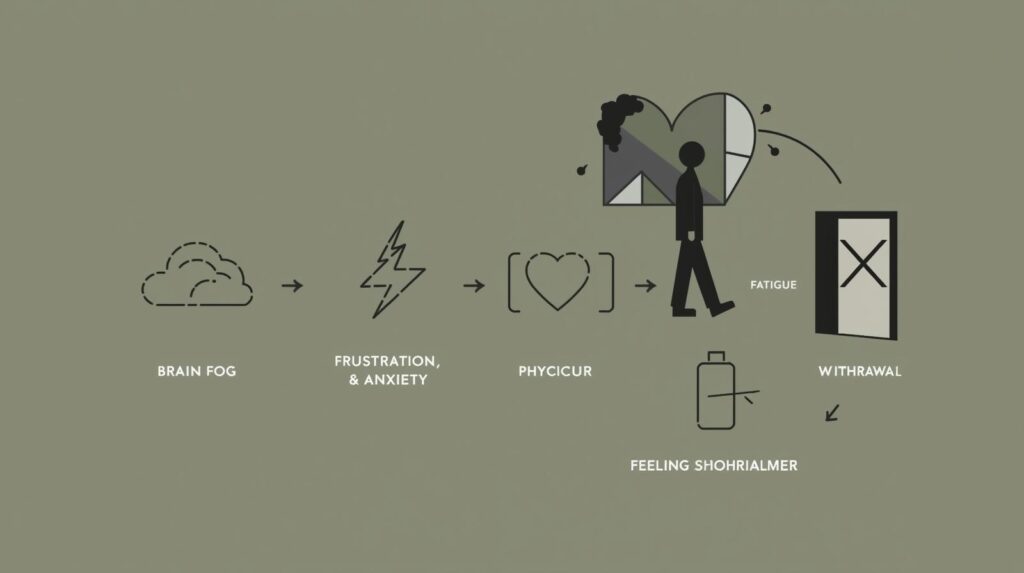
Why “Just Relax More” is Terrible Advice: The Flaw in Our Approach to Stress
The Band-Aid Solution: How Bubble Baths Fail Us
The advice to “just relax” is one of the most well-meaning yet ultimately frustrating suggestions an overwhelmed woman can hear. It places the burden of solution squarely on your shoulders, implying that if you only tried a little harder to unwind, your stress would vanish. This approach treats overwhelm like a surface-level stain to be scrubbed away with a scented candle, rather than a deep-seated issue requiring a more profound shift. While a bubble bath or a relaxing evening can provide temporary relief, it’s akin to putting a band-aid on a deep wound.
The moment you step out of the bath and back into your life, the same triggers, the same to-do list, and the same internal pressure are waiting for you. This is because these activities, while pleasant, often don’t truly complete the stress cycle in your body. They are a pause button, not a reset. A true holistic wellness approach understands that calm isn’t something you do for an hour on a Tuesday night; it’s a state of being you cultivate through integrated, daily practices that address the root of the stress, not just its symptoms.
Understanding the Stress Response Cycle: Are You Stuck in “On”?
To understand why “just relaxing” isn’t enough, we need to look at the biology of stress. Your nervous system has a brilliant, built-in survival mechanism called the “fight-or-flight” response, designed to help you handle immediate physical threats. When your brain perceives a threat—whether it’s a looming work deadline or a child’s health concern—it floods your body with hormones like cortisol and adrenaline. Your heart rate increases, your muscles tense, and your digestion slows, all to prepare you to fight or flee.
The problem in our modern world is that our threats are often psychological and chronic, not physical and acute. There’s no literal tiger to fight or run from, so the stress response cycle never gets completed. Your body prepares for action, but that action never comes, leaving you stuck in a state of perpetual “on.” This unfinished biological process is a primary reason you can feel physically exhausted and mentally wired at the same time. The path of holistic wellness provides the tools to consciously and effectively complete this cycle, signaling to your body and brain that the threat has passed and it is safe to return to a state of calm.
Completing the Cycle: Moving Stress Through Your Body
So, if a bubble bath doesn’t complete the stress cycle, what does? The answer lies in engaging your body in ways that mimic the physical resolution of a threat—the “fight” or “flight” itself. This doesn’t mean you need to get into a brawl or run a marathon. It means using physical signals to show your nervous system that the stressful event is over. This is a core component of a somatic holistic wellness practice. Here are five powerful ways to complete the stress response cycle and move the energy of stress out of your body:
- Physical Activity: This is the most direct analog to fight-or-flight. A brisk walk, a few minutes of jumping jacks, dancing to your favorite song, or even shaking your limbs vigorously can metabolize the stress hormones and tell your body the “danger” has passed.
- Deep, Belly Breathing: Slow, deep breaths with a long exhale activate the parasympathetic nervous system—your “rest and digest” mode. Try the 4-7-8 technique: inhale for 4 counts, hold for 7, and exhale slowly for 8 counts.
- Positive Social Interaction: Laughing wholeheartedly with a friend, receiving a long, warm hug (lasting at least 20 seconds), or having a affirming conversation can release oxytocin, a bonding hormone that counteracts stress.
- A Creative Outlet: Engaging in a creative act like painting, writing, gardening, or playing music can be a form of self-expression that helps process and release pent-up emotional energy.
- A Good Cry: Allowing yourself to cry fully can be a profound physiological release. Tears of emotion have been shown to contain stress hormones, literally expelling them from your body.
By intentionally incorporating these practices, you are not just “relaxing”; you are actively engaging in the science of holistic wellness to regulate your nervous system and build resilience from the ground up.
Your Lifeline: What is Holistic Wellness and How It Offers a Real Solution
Holistic Wellness Defined: It’s Not Just Yoga and Green Juice
When many people hear the term “holistic wellness,” they might picture yoga mats, green smoothies, and meditation cushions. While these can be wonderful tools, they are just single notes in a vast and beautiful symphony. True holistic wellness is a philosophy and a practice that views you as a complete, interconnected being. It understands that your physical health is deeply woven into your mental state, your emotional landscape is reflected in your physical body, and your spiritual connection fuels your entire system.
It’s not a checklist of “healthy” activities to perform, but a lens through which you view your entire life. This approach to holistic wellness asks a different question. Instead of “What pill will lower my blood pressure?” it asks, “What in my life is causing my blood pressure to rise, and how can I address that root cause from every angle?” It’s a proactive, empowering, and deeply personal journey of becoming the expert on your own well-being.
The Core Principle: Connection and Wholeness
The very heart of holistic wellness is the principle of wholeness. It rejects the fragmented view that your doctor handles your body, your therapist handles your mind, and your spiritual advisor handles your soul. Instead, it recognizes that these aspects of yourself are in constant, dynamic conversation. Have you ever noticed that when you’re anxious about a work presentation (mental), you get a knot in your stomach (physical) and snap at your loved ones (emotional)? That is the interconnection in action.
A holistic wellness approach doesn’t just treat the stomach knot with antacids. It helps you develop tools to manage the anxiety, soothes the nervous system to calm the stomach, and cultivates emotional awareness to improve communication. It seeks to bring all parts of you into harmony, understanding that supporting one area creates a positive ripple effect throughout your entire being.
The Mind-Body-Spirit Connection Explained
Let’s break down this interconnected system that holistic wellness seeks to nurture:
- The Mind: This encompasses your thoughts, beliefs, mindset, and cognitive patterns. A stressed, overwhelmed mind filled with “what-ifs” and self-criticism directly signals danger to the body, keeping it in a state of tension.
- The Body: This is your physical vessel—your organs, muscles, bones, and nervous system. It is constantly communicating its needs through energy levels, sensations, and symptoms. Ignoring bodily signals is a primary reason many feel disconnected and unwell.
- The Spirit: This is your essential core—your sense of purpose, meaning, connection to something greater than yourself, and your inner values. When this dimension is neglected, life can feel hollow and mechanical, even if everything else seems “fine.”
A true holistic wellness practice intentionally nurtures all three. It might look like using mindful breathing (mind) to calm a racing heart (body) after a stressful day, which then allows you to feel a sense of peace and connection (spirit). This integrated focus is what makes it such a powerful antidote to feeling overwhelmed and stuck, as it rebuilds your foundation from every possible direction.
Symptom Management vs. Holistic Root-Cause Healing
To truly grasp the value of this approach, it’s helpful to see how it differs from the conventional model. The table below illustrates the fundamental shift in perspective that holistic wellness invites.
| Aspect | Conventional/Symptom Management | Holistic Wellness/Root-Cause Healing |
|---|---|---|
| Focus | Isolating and suppressing specific symptoms (e.g., headache, anxiety, high blood pressure). | Identifying and addressing the underlying root causes of imbalance across mind, body, and spirit. |
| Question Asked | “What drug or treatment will make this symptom go away?” | “Why is this symptom appearing? What system in my life is out of balance?” |
| Approach | Often compartmentalized (different specialists for different parts). You are a passive recipient of care. | Integrated and whole-person. You are an active participant and the driver of your health journey. |
| Goal | Rapid symptom relief. | Sustainable well-being, resilience, and vibrant health by restoring overall balance. |
| Example | Taking a painkiller for a tension headache. | Using the headache as a clue to explore deeper needs: practicing stress-management techniques, improving posture, addressing dehydration, and checking in on emotional burdens. |
This shift from passive patient to active advocate for your own well-being is the cornerstone of holistic wellness. It returns a sense of agency and control that is often lost when we feel overwhelmed and stuck, making it a truly transformative path to calm.
The First Pillar: Nourishing Your Nervous System with Holistic Nutrition
You Can’t Out-Supplement a Poor Diet: Food as Foundation
In the quest for calm, we often overlook the most fundamental building block: the food we eat every single day. Think of your body as a finely tuned instrument. You wouldn’t pour sticky soda into a grand piano and expect it to produce beautiful music, yet we often fuel our complex, delicate systems with foods that create dissonance and inflammation.
The philosophy of holistic wellness views food not merely as calories, but as information and as the primary building material for your cells, hormones, and neurotransmitters. Every bite is either a step toward inflammation and stress or a step toward repair and resilience. When you are feeling overwhelmed and stuck, your nervous system is already depleted. Feeding it processed foods, refined sugars, and unhealthy fats is like trying to put out a fire with gasoline. A core tenet of holistic wellness is shifting this relationship, learning to see food as a powerful, accessible form of medicine that can directly soothe your frazzled nerves and replenish your energy from the cellular level up.
The Top 5 Calming Foods to Incorporate Today
Transitioning to a calming diet doesn’t have to be overwhelming. The goal is gentle inclusion, not perfection or deprivation. Start by consciously adding these powerhouse foods that are renowned in the world of holistic wellness for their nerve-soothing properties:
- Fatty Fish (like Salmon and Sardines): Rich in omega-3 fatty acids EPA and DHA, these are literal brain food. Omega-3s are crucial for building brain cells and reducing inflammation in the nervous system, which is often high in states of chronic stress. Studies have linked adequate omega-3 intake to reduced symptoms of anxiety. Aim for two servings per week.
- Leafy Green Vegetables (like Spinach and Kale): Packed with magnesium, a mineral that is often depleted during stress. Magnesium acts as a natural relaxant for your nervous system, helping to calm nerves, ease muscle tension, and support restful sleep. When you’re feeling wired, a magnesium-rich diet can be profoundly grounding.
- Complex Carbohydrates (like Oats and Sweet Potatoes): Unlike their refined cousins, complex carbs help regulate blood sugar levels, preventing the energy spikes and crashes that can mimic and exacerbate anxiety. They also support the production of serotonin, the “feel-good” neurotransmitter in the brain, promoting a sense of calm and well-being.
- Fermented Foods (like Yogurt, Kefir, and Kimchi): The gut is often called the “second brain” for a reason. The gut-brain axis is a direct communication line, and the health of your gut microbiome directly influences your mood and stress resilience. Fermented foods are rich in probiotics that help cultivate a healthy gut garden, which in turn sends calming signals to your brain.
- Berries (like Blueberries and Raspberries): Bursting with antioxidants, berries help combat the oxidative stress that occurs in the body when we are chronically overwhelmed. Protecting your brain cells from this damage is a key part of maintaining cognitive function and emotional balance.
The 3 Biggest Dietary Stressors to Gently Release
Just as important as adding calming foods is mindfully reducing the ones that contribute to the feeling of being overwhelmed and stuck. Think of this not as a rigid elimination, but as a gentle process of creating more space for peace. The key dietary stressors that disrupt holistic wellness are:
- Refined Sugar and Processed Carbs: These cause a rapid spike and subsequent crash in blood sugar. This rollercoaster triggers the release of stress hormones like cortisol and adrenaline, putting your body through a biochemical stress event multiple times a day. This leads to irritability, brain fog, and intense cravings, perpetuating the cycle.
- Excessive Caffeine: While a morning cup of coffee can be a ritual, over-reliance on caffeine can mimic the symptoms of anxiety—jitters, a racing heart, and restlessness. For a nervous system that is already stuck in “high alert,” caffeine is like pouring fuel on the fire. Consider switching to green tea later in the day, which provides a gentler lift due to its L-theanine content, an amino acid that promotes calm alertness.
- Industrial Seed Oils (like Soybean and Canola Oil): High in inflammatory omega-6 fatty acids, an excess of these oils, commonly found in processed and fried foods, can promote systemic inflammation. Since chronic stress is itself inflammatory, consuming these oils adds an additional inflammatory burden to your body, making it harder to achieve a state of calm.
Herbal Allies: Gentle Teas and Adaptogens for Resilience
Beyond everyday foods, the plant kingdom offers incredible support for a stressed system. Incorporating herbal teas and adaptogens is a beautiful, gentle way to enhance your holistic wellness practice.
- Chamomile Tea: A classic for a reason. Chamomile contains apigenin, an antioxidant that binds to receptors in your brain, promoting relaxation and reducing anxiety. It’s a perfect evening ritual to signal to your body that it’s time to wind down.
- Ashwagandha: This is a premier adaptogen—a class of herbs that helps the body “adapt” to stress and normalize bodily processes. [External Link: A highly relevant, authoritative source like the National Institutes of Health (NIH) page on Ashwagandha would be placed here in the final draft]. Studies suggest it can significantly lower cortisol levels, reduce perceived stress, and improve sleep quality.
- Holy Basil (Tulsi): Another powerful adaptogen, Holy Basil is revered for its ability to combat the physical and metabolic effects of stress while promoting a sense of centeredness and mental clarity.
A Simple Guide to Your First Adaptogenic Tea:
- Choose Your Base: Start with a cup of warm, caffeine-free herbal tea like rooibos or warm almond milk.
- Add the Adaptogen: Stir in ¼ to ½ teaspoon of ashwagandha or tulsi powder.
- Enhance for Taste & Effect: Add a dash of cinnamon for blood sugar balance, a teaspoon of maple syrup for sweetness, and a pinch of cardamom for digestion.
- Blend and Sip Mindfully: Use a small frother to blend it smoothly, then sip slowly, focusing on the sensation of warmth and nourishment.
By making these mindful shifts in how you fuel your body, you are building a solid biochemical foundation for calm. This nutritional pillar of holistic wellness provides the raw materials your nervous system desperately needs to step out of survival mode and back into a state of balance.
The Second Pillar: Moving from “Frenzy” to “Flow” with Mindful Movement
Why High-Intensity Workouts Can Make You More Stressed
For years, the fitness industry has championed the “no pain, no gain” mentality, pushing high-intensity interval training (HIIT) and punishing workouts as the gold standard. But when you are already feeling overwhelmed and stuck, forcing your body through a stressful, high-cortisol workout can be counterproductive.
Think about it: your nervous system is already screaming “Danger!” from the constant pressures of daily life. A grueling workout that leaves you gasping for air and physically exhausted simply adds another layer of physiological stress, reinforcing the message that your world is not safe. This doesn’t mean movement is bad—it’s essential! But the type of movement matters immensely.
The goal within a holistic wellness framework is not to punish your body for being stressed, but to use movement as a tool to soothe your nervous system, release pent-up energy, and reconnect with your body’s innate wisdom. It’s about shifting from a mindset of “I have to crush this workout” to “How can I move my body in a way that feels nourishing today?”
Tuning Into Your Body’s Wisdom: Movement as Meditation
This pillar of holistic wellness invites you to transform exercise from a chore into a practice of mindful, present-moment awareness. It’s about listening to the subtle signals your body is sending you. Instead of ignoring discomfort or pushing through pain, you learn to move with curiosity and compassion. What does your body need right now? Does it crave gentle stretching? A brisk walk in the fresh air? A slow, fluid dance in your living room? This approach turns movement into a moving meditation, where the focus is on the sensation of your breath, the feeling of your feet connecting with the earth, and the rhythm of your own heartbeat.
This practice is a powerful antidote to the feeling of being stuck in your head. It gently pulls your awareness out of the chaotic whirlwind of thoughts and anchors it firmly back into the safety and wisdom of your physical body. This is the essence of a truly integrated holistic wellness practice—using the body to calm the mind.
3 Gentle Movement Practices to Soothe Your Soul
If the thought of the gym fills you with dread, you are in the right place. The following practices are cornerstones of a movement routine designed for calming the nervous system and are highly accessible, regardless of your fitness level.
- Restorative Yoga: This is the art of conscious, supported rest. Unlike more active yoga forms, restorative yoga uses props like bolsters, blankets, and blocks to fully support your body in gentle, passive poses held for several minutes. The sole intention is to release all muscular effort and allow your nervous system to drop into the “rest and digest” state. It is a profound practice for healing overwhelm and a perfect entry point into the world of holistic wellness.
- Tai Chi & Qigong: Often described as “meditation in motion,” these ancient Chinese practices involve a series of slow, deliberate, flowing movements coordinated with deep breathing. They are exceptionally effective for reducing stress and anxiety, improving balance, and cultivating your vital life force, or “Qi.” The slow, mindful nature of the practice trains your mind to focus and your body to move with grace and ease, directly countering feelings of being frantic and stuck.
- Nature Walking (or “Forest Bathing”): This is not about power-walking for cardio. It’s about a slow, sensory walk in a natural environment—a practice the Japanese call Shinrin-yoku, or “forest bathing.” The goal is to immerse yourself in the sights, sounds, and smells of nature. Feel the breeze on your skin, listen to the birds, notice the different shades of green. This practice has been scientifically shown to lower cortisol levels, reduce blood pressure, and improve mood. It combines gentle movement with the deeply healing power of the natural world, a key element in any holistic wellness plan.
By embracing these gentle movement forms, you are not neglecting your fitness; you are building a sustainable, compassionate, and deeply effective practice that honors your body’s need for both activity and profound rest. This pillar of holistic wellness teaches you that sometimes, the most powerful step forward is a slow, mindful one. View Courses
The Third Pillar: Cultivating a Mindful and Resilient Mind
Taming the Anxious Mind: Practical Tools for the Overthinker
If you feel overwhelmed and stuck, your mind is likely the primary culprit—a whirlwind of “what-ifs,” replayed conversations, and catastrophic future scenarios. This mental chatter isn’t just annoying; it’s a significant source of stress that keeps your nervous system on high alert. The path of holistic wellness does not ask you to empty your mind or stop thinking, which is an impossible task. Instead, it offers practical tools to change your relationship with your thoughts. Imagine your anxious thoughts as leaves floating down a stream.
You can sit on the bank and watch them pass by without needing to jump in and be carried away by each one. This skill, known as cognitive defusion in mindfulness practices, is a game-changer. It creates a crucial space between you and your thoughts, allowing you to see them as mere mental events, not absolute truths. This single shift can dismantle the power of anxiety, breaking the cycle of being overwhelmed and stuck by giving you back a sense of agency over your inner world.
The Art of the “Mindful Pause”: A 60-Second Reset
You don’t need an hour of silent meditation to calm an anxious mind. Often, what we need most are tiny, frequent resets throughout the day to prevent stress from accumulating. The Mindful Pause is a cornerstone practice in applied holistic wellness that you can do anywhere, anytime you feel the first flutter of overwhelm. It’s a deliberate and kind interruption of the autopilot stress response. The goal is to anchor yourself in the present moment, which is the only place where calm can truly be found. Here is a simple, numbered guide to practice:
- Stop. Literally, pause whatever you are doing. Put your phone down, stop typing, or pull your car over if needed.
- Take One Deep Breath. Inhale slowly through your nose, feeling your belly expand. Exhale even more slowly through your mouth, releasing all the air.
- Observe. Notice your body. Where are you holding tension? Your jaw? Shoulders? Hands? Just observe without judgment.
- Expand Awareness. Widen your attention to your immediate surroundings. Name three things you can see, two things you can hear, and one thing you can feel (like your feet on the floor).
- Proceed. Gently return to your activity, bringing this slightly more spacious and present awareness with you.
This 60-second ritual is a powerful way to incorporate holistic wellness into the busiest of days, teaching your brain that it is safe to pause and recalibrate.
Journaling for Clarity: Getting the Chaos Out of Your Head
When your mind feels like a browser with 100 tabs open, journaling is the process of systematically closing each one. The act of writing by hand engages the brain differently than typing, slowing down your thoughts and allowing you to process them more deeply. From a holistic wellness perspective, journaling is a form of mental and emotional hygiene.
It externalizes the internal chaos, getting it out of your swirling mind and onto the page where you can observe it with more objectivity. This practice can help you identify recurring worry patterns, uncover hidden emotions, and find surprising solutions that were buried under the noise. It is not about writing perfectly; it is about listening to and clearing out your inner world.
A Simple, 5-Minute “Brain Dump” Practice
If the idea of journaling feels daunting, start with this incredibly effective and simple “Brain Dump” exercise. It is a core practice for anyone beginning their holistic wellness journey to manage mental overwhelm.
- Set a Timer: Give yourself just 5 minutes.
- Write Freely: Without stopping, lifting your pen, or editing, write down everything that is in your head. This can be worries, to-do list items, random song lyrics, feelings, memories—absolutely anything. Grammar, spelling, and coherence do not matter.
- Don’t Stop: If you get stuck, just write, “I don’t know what to write” until the next thought emerges.
- Release: When the timer goes off, take one final deep breath. You can choose to rip up the page as a symbolic release, or keep it to review later for patterns.
This practice, done consistently, is like taking out the mental trash. It creates space for clarity, calm, and more intentional thinking, directly addressing the “stuck” feeling by moving mental energy that has become stagnant. Through these mindful practices, you build the mental resilience that is essential for sustainable holistic wellness.
The Fourth Pillar: Creating a Sanctuary of Calm in Your Environment
Your Home as a Reflection of Your Inner State: A Gentle Declutter
The spaces we inhabit are not separate from us; they are an extension of our inner world. When you feel overwhelmed and stuck internally, it is often reflected in a cluttered, chaotic, or draining external environment. Conversely, a disorganized and overstuffed home can directly contribute to feelings of anxiety and mental stagnation. The holistic wellness approach to your environment is not about achieving a picture-perfect, sterile home.
It’s about intentionally curating a sanctuary that supports your peace and nurtures your soul. This process begins with a gentle, compassionate declutter. We are not aiming for a massive, overwhelming purge, but for a gradual process of creating space and breathability in your home. Think of it as clearing the physical blocks to allow your energy to flow freely again. As you release items that no longer serve you—clothes that don’t fit, broken gadgets, expired pantry items—you are sending a powerful message to your subconscious: “I am making space for new energy, for peace, and for clarity.” This act is a profound practice of external holistic wellness that has immediate internal reverberations.
Digital Detox: Reclaiming Your Peace from the Screens
In our modern world, one of the most significant sources of overwhelm is not in our physical space, but in our digital one. The constant pings, notifications, endless scrolling, and barrage of news and comparisons create a state of chronic low-grade stress that keeps our nervous system perpetually activated. A crucial, and often overlooked, aspect of holistic wellness is managing this digital environment. A digital detox isn’t about abandoning technology forever; it’s about establishing conscious, healthy boundaries so that you use your devices intentionally, rather than being used by them. This recalibration is essential for finding a lasting sense of calm. To start, consider implementing these simple digital boundaries:
- Create a Phone-Free Bedroom: Make your bedroom a sacred space for sleep and relaxation, not for scrolling and work emails. Charge your phone in another room overnight.
- Turn Off Non-Essential Notifications: Every notification is an interruption that pulls you out of your present-moment experience. Disable them for all apps except the truly essential ones (e.g., maybe texts from family).
- Schedule “Tech-Curious” Times: Instead of checking your phone reactively all day, schedule specific 15-30 minute blocks to check email and social media. Outside of those times, keep your phone out of sight.
- Curate Your Feed with Holistic Wellness in Mind: Unfollow accounts that make you feel inadequate, anxious, or compare yourself to others. Actively fill your feed with accounts that inspire, educate, and support your journey toward calm.
By taking control of your digital space, you reclaim vast swathes of your attention and mental energy, directly reducing the feeling of being overwhelmed and stuck.

The Power of Nature: The Ultimate Holistic Wellness Healer
Never underestimate the profound healing power of the natural world. Stepping into nature is one of the most accessible and powerful forms of holistic wellness available to us. Time in nature, often called “ecotherapy,” has measurable effects: it can lower cortisol levels, reduce blood pressure, decrease heart rate, and boost mood. Why is it so effective? Nature operates on a rhythm entirely different from our frantic, human-made world. It is slow, cyclical, and inherently peaceful.
When you immerse yourself in it—whether in a forest, by a body of water, or simply in a local park—your own nervous system begins to synchronize with this calming rhythm. The practice of “grounding” or “earthing,” which involves walking barefoot on grass, sand, or soil, is believed to allow us to absorb the earth’s natural negative ions, which can reduce inflammation and improve sleep. Making a daily or weekly commitment to spend quiet, intentional time in nature is not a luxury; it is a vital component of your holistic wellness toolkit for resetting your entire system and remembering a sense of peace that exists beyond your to-do list.
Learn More About: How Holistic Care Works for Mental Health?
The Fifth Pillar: The Often-Missing Link – Connection and Community
The Loneliness Epidemic: How Isolation Fuels Feeling Stuck
In the midst of busy lives filled with responsibilities to family and work, many middle-aged women experience a profound and often unspoken sense of loneliness. You can be surrounded by people all day long—colleagues, children, a partner—and still feel utterly alone in your experience. This isn’t about the quantity of social contact, but the quality. When you feel overwhelmed and stuck, the instinct is often to withdraw, to hide the “mess” because you don’t want to burden others or appear as if you can’t handle it all. This isolation acts as fertilizer for overwhelm.
It creates an echo chamber where your anxious thoughts grow louder and your problems appear insurmountable because you’re facing them entirely on your own. From a holistic wellness perspective, connection is not an optional add-on; it is a biological imperative. We are hardwired for community. Meaningful connection triggers the release of oxytocin, the “bonding hormone,” which directly counteracts the effects of the stress hormone cortisol. Without this vital counterbalance, the feeling of being overwhelmed and stuck can become a permanent state. Recognizing that your need for connection is a core component of your health is a pivotal step on this journey.
Finding Your Tribe: The Power of Shared Holistic Wellness Journeys
So, how do you break the cycle of isolation? The answer lies in intentionally seeking out your “tribe”—a community of like-hearted individuals who understand your journey without the need for lengthy explanations. This is about finding people who are also interested in holistic wellness and who value deep, authentic conversation over superficial chatter.
Sharing your struggles and your discoveries with others who “get it” is incredibly validating and empowering. It normalizes your experience and provides a mirror for your own growth. You learn from their coping strategies, gain new perspectives on your own challenges, and receive the encouragement to keep going on days when your motivation wanes. This sense of belonging is a powerful antidote to the feeling of being stuck, as it provides both a soft place to land and a gentle hand to help you move forward. As the famous holistic wellness proverb goes, “If you want to go fast, go alone. If you want to go far, go together.”
The Courage of Vulnerability: Sharing Your Story as Medicine
Building this kind of community requires a degree of vulnerability that can feel terrifying when you’re already feeling raw. The idea of sharing your true feelings of overwhelm might bring up fears of being judged, seen as weak, or rejected. Yet, it is often in the brave act of sharing our authentic struggles that we find the deepest connection and the most powerful healing. Start small. You don’t need to pour your heart out to a large group. It could be reaching out to one trusted friend and saying, “I’m really struggling with feeling overwhelmed lately, and I just needed to tell someone.”
More often than not, you will be met with a sigh of relief and a “Me too.” This shared vulnerability is a potent form of medicine. It breaks the illusion that everyone else has it all together and reinforces the foundational principle of holistic wellness: that we are all interconnected, and our healing is a collective process. By allowing yourself to be seen, you give others permission to do the same, creating a ripple effect of authenticity and support. This is the very heart of a holistic wellness community, and it is a resource you can actively cultivate. Consider joining our free, supportive community at Wellness Tune to connect with other women on the same path.
When to Seek Deeper Support: Holistic Wellness and Professional Guidance
Listening to Your Intuition: Is It Time for More Help?
Embarking on a holistic wellness journey is a powerful act of self-care, but it is not a substitute for professional medical or mental health care. A key part of true wellness is developing the wisdom to know when you need to reach out for more specialized support. Your intuition is a powerful guide here.
If you’ve been implementing these calming practices but still feel a persistent, heavy sense of overwhelm, deep sadness, or anxiety that interferes with your ability to function in your daily life, it is a clear signal to seek deeper support. Other signs include persistent changes in sleep or appetite, inability to experience joy (anhedonia), or feeling completely disconnected from yourself and others. Listening to these signals is not a sign of failure in your holistic wellness practice; it is the ultimate act of self-awareness and self-love. It means you are honoring your needs with the utmost respect and are committed to your healing on every level.
The Role of Therapists, Coaches, and Functional Medicine Doctors
Think of your support team as a group of expert guides, each with a different map and set of tools to help you navigate your unique terrain. A holistic wellness approach embraces all forms of healing that align with your needs.
- Therapists and Counselors: These licensed professionals are essential for processing deep-seated emotional wounds, trauma, and patterns of thinking that contribute to feeling stuck. Modalities like Cognitive Behavioral Therapy (CBT), Acceptance and Commitment Therapy (ACT), and mindfulness-based therapies work beautifully in tandem with a holistic wellness lifestyle, providing the structured psychological tools to rewire unhelpful thought patterns.
- Holistic Health Coaches: A coach acts as a supportive partner and accountability ally on your holistic wellness journey. They can help you bridge the gap between knowing what to do and actually doing it, helping you set realistic goals, navigate obstacles, and integrate the five pillars of wellness into your unique lifestyle in a sustainable way.
- Functional Medicine Doctors: These practitioners look for the root physiological causes of your symptoms. Instead of just treating the headache or the fatigue, they run comprehensive lab tests to investigate issues like hormonal imbalances, gut dysbiosis, food sensitivities, and nutrient deficiencies. Their approach is deeply aligned with holistic wellness, as they view the body as an interconnected system and create personalized plans to restore balance from the inside out.
Building your personal support team is a proactive and empowered step. You do not have to have all the answers. Exploring our network of trusted practitioners through the Wellness Tune directory can be a wonderful first step.

Conclusion: Your Journey from Overwhelmed to Empowered Has Already Begun
You Hold the Key to Your Own Calm
As we reach the end of this guide, take a moment to acknowledge the courage it took to even explore these words. The simple act of seeking a new path is a powerful declaration that you believe in the possibility of a different life—one defined not by overwhelm and stagnation, but by calm, clarity, and purpose. You have not been presented with a magic pill, but with something far more durable and empowering: a map.
This map, built on the five pillars of holistic wellness, shows you that the power to transform your experience resides within you and the daily choices you make. You have learned that calm is not a destination you arrive at after everything on your to-do list is finished; it is a quality of presence you can cultivate in the midst of it all, through nourishing food, mindful movement, a resilient mindset, a peaceful environment, and heartfelt connection. You, right now, hold the key. It is found in your next deep breath, your next mindful pause, your next choice to prioritize your own well-being.
An Invitation to Continue Your Exploration
This article is just the beginning. Think of it as the first, gentle step onto a beautiful, winding path of self-discovery and healing. The journey of holistic wellness is a lifelong one, filled with learning, experimentation, and profound self-compassion. There will be days when you feel centered and calm, and others where the old feelings of being overwhelmed creep back in. This is normal and human. The practice is to gently guide yourself back, again and again, using the tools you now possess. You do not have to walk this path alone.
This is your heartfelt invitation to dive deeper, to continue learning, and to connect with a community of women who share your desires and your challenges. Your journey from feeling overwhelmed and stuck to living a life of empowered calm is the most important journey you will ever take. Ready to take the next step? We warmly invite you to enroll in our free introductory course, ‘Foundations of Holistic Living,’ at Wellness Tune.
Frequently Asked Questions (FAQ)
I’m too overwhelmed to even start. What’s the absolute first step?
This is the most common and valid question. The absolute first step is the smallest one imaginable. Do not think about the whole journey. Simply commit to one 60-second Mindful Pause (from Pillar 3) today. That’s it. One minute. Set a timer, stop what you’re doing, and take a few deep breaths. Mastering this single, tiny step builds the momentum and confidence to take the next one tomorrow.
How is holistic wellness different from just seeing a doctor?
Conventional medicine is essential and brilliant for acute care, diagnosis, and managing specific diseases (e.g., setting a broken bone, treating an infection). Holistic wellness is a complementary approach that focuses on the root causes of imbalance and the prevention of illness. While a doctor might prescribe medication for high blood pressure, a holistic wellness approach would also explore dietary changes, stress management techniques, and movement practices to address the underlying reasons for the elevated pressure. They work best together.
I don’t have hours to dedicate to this. Is holistic wellness for me?
Absolutely. In fact, this approach is specifically designed for busy people. The core philosophy of holistic wellness is about integration, not adding more to your plate. It’s about making small, mindful shifts to what you are already doing—how you eat, how you move, how you breathe, how you set up your space. The 7-Day Roadmap is proof that powerful change begins with just a few minutes a day.
Can holistic wellness practices really help with anxiety?
Yes, profoundly. While not a replacement for therapy or medication for clinical anxiety, holistic wellness practices are evidence-based tools for managing anxiety symptoms. Techniques like mindful breathing directly calm the nervous system. Nutrition stabilizes blood sugar, preventing mood swings. Movement metabolizes stress hormones. By addressing the physical, mental, and environmental contributors to anxiety, you build a robust foundation of resilience.
What if my family isn’t supportive of this holistic wellness journey?
This can be challenging, but your journey is about your well-being, and that is non-negotiable. You do not need anyone’s permission to prioritize your peace. Start gently, without making grand announcements. Focus on the changes that are entirely within your control, like your morning routine or your own plate. Often, as your family members see you becoming calmer, happier, and more present, their resistance softens, and they may even become curious.
How long until I start to feel a difference?
This varies for everyone, but many people notice subtle shifts immediately—a sense of calm after a breathing exercise, a bit more energy after a nutritious meal, a lighter feeling after a digital detox. The key is consistency. The more you practice weaving these pillars into your life, the more the compound effect takes hold, leading to deeper, more sustained changes in your overall sense of well-being within a few weeks.






Responses