
Self-Healing Practices for Women Over 40

Introduction
Reach. This is where the power of self-healing practices for women over 40 comes in—offering gentle, natural, and deeply supportive ways to restore balance and vitality.
Self-healing isn’t about ignoring medical care or pushing through discomfort. Instead, it’s about tuning into your body’s natural ability to repair, rejuvenate, and thrive when given the right environment. From nourishing foods and mindful movement to emotional release and energy-balancing rituals, self-healing practices for women over 40 provide tools to strengthen both body and spirit. These practices help you reconnect with your inner wisdom while easing the changes that naturally come with this stage of life.
Unlike quick fixes or one-size-fits-all solutions, self-healing focuses on a holistic approach. It honors the connection between mind, body, and spirit, showing you that every small shift—whether it’s a calming breath, a nourishing meal, or a few minutes of journaling—creates ripple effects of healing. For women over 40, this is especially powerful because the body is asking for deeper care, and the mind is ready for more intentional living.
In this blog, we’ll explore the most effective and realistic self-healing practices for women over 40. You’ll discover practical tools, time-friendly rituals, and empowering insights designed to help you feel more energetic, balanced, and grounded. Whether you’re navigating hormonal changes, managing stress, or simply longing for more peace in your daily life, these practices can help you awaken your inner healer and create a lifestyle of true wellness.
1. Understanding Self-Healing After 40
Turning 40 often marks a meaningful transition in a woman’s life. It’s a time when many begin to notice subtle (or not-so-subtle) changes in energy levels, digestion, sleep, and mood. Hormonal shifts—especially during perimenopause—can bring new challenges such as hot flashes, irregular cycles, and mood swings. On top of that, responsibilities at home, work, and family can create extra layers of stress. This is why self-healing practices for women over 40 become not just beneficial but essential.
Self-healing is the body’s natural ability to restore balance when given proper care. Think of how a small cut heals without much intervention—your body is always striving to repair itself. After 40, however, the body’s repair systems need more support. Factors like inflammation, stress hormones, and slower metabolism can interfere with healing. By choosing nourishing foods, reducing toxins, and practicing mindful movement, you give your body the environment it needs to regenerate and thrive.
What makes this stage of life so unique is the blend of wisdom and self-awareness women carry with them. In earlier years, many women put others first—raising families, building careers, or caring for loved ones. But in your 40s and beyond, there’s often a calling to finally prioritize yourself. Self-healing isn’t selfish; it’s a form of self-respect. By caring for your body and mind, you naturally have more energy and presence for the people you love.
The beauty of self-healing practices for women over 40 is that they don’t require complicated tools or expensive treatments. Instead, they focus on small, consistent shifts that accumulate over time. Whether it’s through deep breathing, a 10-minute yoga flow, herbal teas, or journaling, every action you take toward your healing matters. Understanding this empowers you to step into a new phase of life with vitality, confidence, and grace.
Introduction: Why Self-Healing Matters After 40
Life after 40 is often described as a turning point for women. It’s a time of deep wisdom, yet also a period marked by profound changes in the body and mind. Hormonal shifts, increased stress, and evolving life roles can leave many women feeling out of balance. Instead of pushing through exhaustion or relying only on external solutions, more women are turning inward—discovering the power of self-healing practices that nurture body, mind, and spirit.
Self-healing doesn’t mean ignoring medical care or “fixing” yourself overnight. Rather, it’s about awakening your inner healer—the natural intelligence within your body that knows how to restore balance when given the right support. By embracing holistic approaches such as mindful movement, healing nutrition, breathwork, energy practices, and emotional release, women over 40 can experience more vitality, clarity, and peace in everyday life.
What makes self-healing so powerful in this stage of life is its focus on wholeness. Instead of treating symptoms in isolation, self-healing honors the interconnectedness of hormones, emotions, lifestyle, and environment. For example, stress might show up as fatigue, headaches, or even digestive issues. Rather than masking the discomfort, self-healing addresses the root cause—calming the nervous system, nourishing the body, and supporting emotional release.
Many women find that after 40, the old ways of pushing through—dieting harder, working out more, ignoring emotions—no longer serve them. Self-healing offers a gentler, wiser path forward. It empowers women to listen deeply to their bodies, release what no longer serves them, and create daily practices that promote long-term well-being. This isn’t just about avoiding illness; it’s about thriving, feeling energized, and stepping into this new life chapter with confidence and grace.
As you read on, you’ll discover practical and accessible self-healing practices designed specifically for women over 40. Whether you’re seeking hormonal balance, emotional healing, or simply more energy and peace in your day, these holistic approaches will guide you back to your natural state of harmony.
Understanding the Self-Healing Journey
What Self-Healing Really Means
When many people hear the word self-healing, they think of miracle cures or going through challenges alone. In reality, self-healing is much more holistic and compassionate. It’s not about rejecting medical care or pretending you don’t need support—it’s about actively participating in your own healing journey. For women over 40, self-healing means tuning into your body’s signals, creating habits that promote balance, and giving yourself permission to prioritize your well-being.
True self-healing is about restoring harmony across body, mind, and spirit. When your body feels nourished, your emotions feel acknowledged, and your spirit feels connected, you naturally create an environment where healing can take place. This balance doesn’t happen overnight, but with consistent practice, the results can be life-changing.
The Role of Mind, Body & Spirit
Holistic healing recognizes that you are more than your physical body. Your thoughts, beliefs, emotions, and environment all play a role in your health. For example:
Mind: Chronic stress or negative thought patterns can drain energy and weaken the immune system.
Body: Nutrient deficiencies, poor sleep, or lack of movement can create imbalance and disease.
Spirit: Disconnection from purpose, joy, or spirituality can leave you feeling empty and unmotivated.
When these three aspects—mind, body, and spirit—are in alignment, healing feels natural and sustainable. For women in midlife, this approach is especially important, since changes like menopause affect not just hormones but also mood, sleep, and self-identity.
Comparison Table: Traditional Healing vs. Holistic Self-Healing
AspectTraditional HealingHolistic Self-HealingFocusTreats symptoms in isolationAddresses root causes and overall balanceApproachOften medication-drivenLifestyle, nutrition, movement, and energy workRole of PatientPassive (receives care)Active (empowers personal responsibility)GoalRelief from illness or discomfortLong-term vitality, harmony, and preventionView of HealthPhysical body onlyMind, body, and spirit as interconnected
This doesn’t mean one approach is “better” than the other—rather, they complement each other beautifully. Medical care is vital for diagnosis and treatment, while self-healing empowers you to actively care for your body and prevent imbalance in the first place.
Internal Connection to Wellness Tune
At Wellness Tune, we see self-healing as a lifelong practice, not a quick fix. That’s why our free holistic health courses are designed to support women in building simple, daily habits that strengthen the mind-body connection and unlock natural healing potential. [Internal link placeholder]
The Mind-Body Connection in Women’s Healing
How Emotions Manifest in the Body
Have you ever noticed how stress gives you a headache, or how worry knots your stomach? This is the mind-body connection at work. Our thoughts and emotions don’t just stay in the mind—they create real physical responses in the body. For women over 40, this connection becomes especially important because hormonal changes can amplify the effects of stress and emotional imbalance.
Unresolved emotions often show up as physical symptoms. For example:
Anxiety may cause chest tightness or digestive issues.
Anger can contribute to high blood pressure or muscle tension.
Sadness may lower energy and weaken the immune system.
By acknowledging and processing emotions instead of suppressing them, you can reduce physical strain and allow the body to return to balance.
Scientific Evidence of Mind-Body Healing
Modern research confirms what holistic traditions have taught for centuries: the mind and body are inseparable. Studies on practices like meditation, yoga, and breathwork show measurable effects on lowering blood pressure, improving immune function, and reducing stress hormones. Harvard Medical School has published multiple findings on how mindfulness practices activate the body’s relaxation response, allowing healing and restoration to occur naturally.
This science validates what many women intuitively feel—that when we calm the mind, the body follows. The reverse is also true: when we care for the body with proper nutrition, movement, and rest, our thoughts and emotions become more balanced.
Practical Ways to Strengthen the Mind-Body Connection
The beautiful part about mind-body healing is that it doesn’t require expensive tools. Simple daily practices can make a profound difference:
Mindful Breathing – Take 5 minutes a day to focus on slow, deep breaths. This signals the nervous system to relax.
Body Scanning – Close your eyes and mentally scan your body for areas of tension. Breathe into those spots and release.
Gratitude Journaling – Writing down three things you’re grateful for each evening helps shift mindset and reduce stress.
Gentle Movement – Practices like yoga or tai chi combine mindfulness and physical care, strengthening the mind-body link.
Internal Link Placeholder
For women ready to dive deeper into this connection, Wellness Tune offers resources that explore mindfulness, meditation, and emotional wellness. [Internal link placeholder]
Nutrition as Medicine for Women Over 40
Healing Foods and Hormonal Balance
After 40, many women experience shifts in estrogen and progesterone that affect mood, energy, metabolism, and even sleep. Food can either fuel imbalance or act as medicine to restore harmony. Instead of following restrictive diets, the goal is to choose nutrient-rich, hormone-supportive foods that work with the body.
For example, foods rich in phytoestrogens (like flaxseeds, soy, and lentils) can help ease menopausal symptoms by gently balancing hormones. Similarly, magnesium-rich foods such as leafy greens, pumpkin seeds, and almonds can calm the nervous system and reduce anxiety or sleep difficulties. The right nutrition doesn’t just nourish the body—it supports emotional stability and long-term vitality.
Everyday Superfoods for Energy and Vitality
Women over 40 often notice dips in energy and slower metabolism. Adding superfoods to daily meals can counteract fatigue and strengthen immunity. Some of the best choices include:
Berries (blueberries, raspberries, strawberries): Packed with antioxidants that protect cells from aging.
Leafy greens (kale, spinach, arugula): High in vitamins A, C, K, and minerals for bone and heart health.
Fatty fish (salmon, sardines, mackerel): Rich in omega-3s for brain function and joint support.
Legumes (chickpeas, lentils, black beans): Excellent for blood sugar balance and sustained energy.
Nuts and seeds (chia, flax, walnuts): Support hormonal balance and provide healthy fats.
These foods are simple, affordable, and easy to incorporate into everyday meals.
Bullet List: Foods to Include and Avoid
Foods to Include Daily
Fresh fruits and vegetables (especially colorful, seasonal options).
Whole grains like quinoa, oats, and brown rice.
Lean proteins such as eggs, legumes, or fish.
Healthy fats from avocado, olive oil, nuts, and seeds.
Herbal teas (chamomile, green tea, or red clover).
Foods to Limit or Avoid
Processed sugars (can spike insulin and worsen hormonal imbalance).
Excess caffeine (triggers anxiety, sleep issues, and hot flashes).
Highly processed foods with preservatives and additives.
Trans fats and deep-fried foods.
Excess alcohol (disrupts sleep, liver detox, and hormone function).
Nutrition as Preventive Medicine
Nutrition is more than fueling the body—it’s one of the most effective preventive medicines. A balanced diet reduces the risk of heart disease, osteoporosis, and type 2 diabetes, all of which become more common in midlife. By treating each meal as a chance to heal, women over 40 can build resilience from the inside out.
Internal Link Placeholder
To explore this further, Wellness Tune offers free resources on creating balanced meal plans and choosing healing foods for daily life. [Internal link placeholder]
Movement as Self-Healing
The Shift from Intense Workouts to Mindful Movement
In younger years, many women approach fitness with an intensity that focuses on calorie-burning, weight loss, or pushing physical limits. But after 40, the body often requires a different approach. Hormonal changes, slower recovery, and increased risk of joint pain make overly intense workouts less sustainable. This doesn’t mean giving up movement—it means shifting toward mindful, restorative forms of exercise that heal the body instead of depleting it.
Mindful movement emphasizes awareness, gentleness, and balance. Practices like yoga, Pilates, tai chi, and even daily walking can support flexibility, bone strength, and emotional well-being. These forms of movement encourage listening to the body’s signals instead of pushing through pain, which helps prevent injury while cultivating deeper self-connection.
Yoga, Pilates, and Gentle Strength Training
For women over 40, certain practices are especially beneficial:
Yoga: Improves flexibility, supports joint health, reduces stress, and balances hormones.
Pilates: Strengthens the core, improves posture, and helps protect the spine.
Gentle Strength Training: Using light weights or resistance bands maintains muscle mass, which naturally declines with age.
Walking in Nature: Boosts cardiovascular health while calming the nervous system.
These activities not only benefit the physical body but also nurture emotional and mental well-being, making them a true self-healing tool.
Comparison Table: Punishing Fitness vs. Holistic Fitness
AspectPunishing FitnessHolistic FitnessGoalBurn calories, lose weight quicklyBuild strength, balance, and vitalityApproachIntense, high-impact, “no pain, no gain”Gentle, mindful, adaptable to body’s needsImpact on BodyCan increase stress hormones, risk of injuryReduces stress, supports healing and longevityEmotional EffectPressure, guilt if skippedJoy, empowerment, self-compassionSustainabilityOften short-termLong-term lifestyle practice
Listening to Your Body
Movement as self-healing is about listening instead of forcing. If a workout leaves you exhausted, irritable, or in pain, it may be time to adjust. The body’s wisdom is always speaking—through energy levels, moods, or aches—and honoring these signals is the essence of self-healing.
Internal Link Placeholder
For deeper guidance, Wellness Tune provides a free course on rekindling your love of movement after 40. [Internal link placeholder]
Breathwork and Meditation for Emotional Healing
How Breath Regulates Stress and Supports Healing
Breathing is the one bodily function we can consciously control, and it has profound effects on our health. When stress hits, the body tends to breathe shallowly, signaling the nervous system to stay in “fight or flight” mode. Over time, this can contribute to anxiety, sleep problems, and even hormonal imbalance.
For women over 40, intentional breathwork can be a gentle yet powerful way to reset the nervous system. Deep, slow breathing activates the parasympathetic nervous system—the “rest and restore” mode—allowing the body to relax, release tension, and heal naturally. Combined with meditation, breathwork becomes a bridge between mind and body, creating emotional stability and clarity.
Simple Breathing Techniques for Women
Here are a few accessible practices you can try daily:
Box Breathing (Calming Practice): Inhale for 4 counts, hold for 4, exhale for 4, hold for 4. Repeat for 3–5 minutes.
4-7-8 Breathing (For Sleep): Inhale through the nose for 4 counts, hold for 7, exhale slowly for 8. This reduces anxiety and promotes deeper rest.
Alternate Nostril Breathing (Balance): Close one nostril, inhale through the other, switch, and exhale. This balances energy and reduces mental clutter.
Belly Breathing (Grounding): Place one hand on the belly, inhale deeply so the belly rises, then exhale fully. Helps release stored tension.
Even 5–10 minutes of these practices can reset your mood and energy for the day.
Meditation for Emotional Balance
Meditation is often misunderstood as “emptying the mind.” In reality, it’s about creating space to observe thoughts without judgment. For women navigating midlife transitions, meditation offers a way to release emotional baggage and find peace in the present.
Benefits of meditation include:
Lower stress hormone levels (cortisol).
Reduced anxiety and mood swings.
Increased focus and emotional resilience.
Greater self-compassion and acceptance.
You can start with just a few minutes daily, using guided meditations or simply focusing on your breath.
Step-by-Step Mini Practice
Here’s a simple self-healing meditation you can try tonight:
Find a quiet, comfortable space.
Close your eyes and take 3 deep, grounding breaths.
Place a hand on your heart and silently say: “I am safe. I am healing.”
Focus on your breath, noticing the rise and fall of your chest.
If thoughts come, acknowledge them gently and return to the breath.
Continue for 5–10 minutes.
Internal Link Placeholder
For guided practices and deeper breathwork lessons, visit our meditation and mindfulness resources at Wellness Tune. [Internal link placeholder]
Healing Through Rest and Sleep
Why Sleep Changes After 40
Many women notice their sleep patterns shifting in midlife. Hormonal changes, particularly declining estrogen and progesterone, can contribute to night sweats, insomnia, and restless nights. On top of that, stress and busy lifestyles make it harder to truly wind down. Poor sleep doesn’t just make you tired—it affects mood, weight, immunity, and long-term health.
This is why rest becomes a cornerstone of self-healing after 40. Sleep is when the body repairs tissues, balances hormones, and restores energy. Without it, even the best nutrition and exercise can’t fully support healing.
Natural Remedies for Deeper Rest
Instead of relying only on sleeping pills, which may bring side effects, women can explore natural remedies that support restorative sleep:
Herbal teas such as chamomile, valerian root, or lavender to promote relaxation.
Magnesium-rich foods (pumpkin seeds, spinach, almonds) or supplements to calm the nervous system.
Aromatherapy with lavender or sandalwood essential oils before bed.
Bedtime rituals like gentle stretching, journaling, or meditation to signal the body it’s time to rest.
Digital detox by avoiding screens 1 hour before bedtime to regulate melatonin levels.
Creating a Sleep-Supportive Environment
Your bedroom can either help or hinder healing sleep. A few simple changes can make a big difference:
Keep the room cool, dark, and quiet.
Invest in a comfortable mattress and breathable bedding.
Use blackout curtains or an eye mask to block light.
Try a white noise machine or calming nature sounds to reduce disturbances.
These adjustments transform the bedroom into a sanctuary for healing rest.
Internal Link Placeholder
At Wellness Tune, we share detailed guides on holistic sleep solutions for women in midlife. [Internal link placeholder]
External Link
For further reading, the National Sleep Foundation provides valuable, research-based tips on improving sleep quality naturally.
Energy Healing Practices for Beginners
Introduction to Energy Healing
Energy healing may sound mystical at first, but at its core, it’s about restoring balance to the body’s natural flow of energy. Many holistic traditions, from Traditional Chinese Medicine to Ayurveda, have long recognized that disruptions in energy can lead to illness or emotional imbalance. For women over 40—who often experience fatigue, stress, and hormonal changes—energy healing offers gentle ways to recharge and realign.
Unlike conventional treatments, energy healing doesn’t focus solely on physical symptoms. Instead, it works with the subtle energy systems that influence mood, vitality, and overall well-being. While it may not replace medical care, it can beautifully complement other healing practices.
Popular Energy Healing Modalities
Here are some accessible forms of energy healing you can explore:
Reiki: A Japanese practice where gentle hand placements channel universal energy to reduce stress and promote relaxation.
Chakra Balancing: Based on the idea of seven main energy centers in the body. Balancing them can ease emotional and physical discomfort.
Acupuncture/Acupressure: Ancient Chinese techniques that stimulate energy pathways (meridians) to restore balance.
Sound Healing: Using instruments like singing bowls or tuning forks to shift energy patterns and encourage deep relaxation.
Qi Gong or Tai Chi: Gentle movement practices that enhance energy flow, reduce stress, and support longevity.
Practical At-Home Energy Practices
You don’t need to be an expert to begin experiencing energy healing. Simple practices can help you feel more grounded and restored:
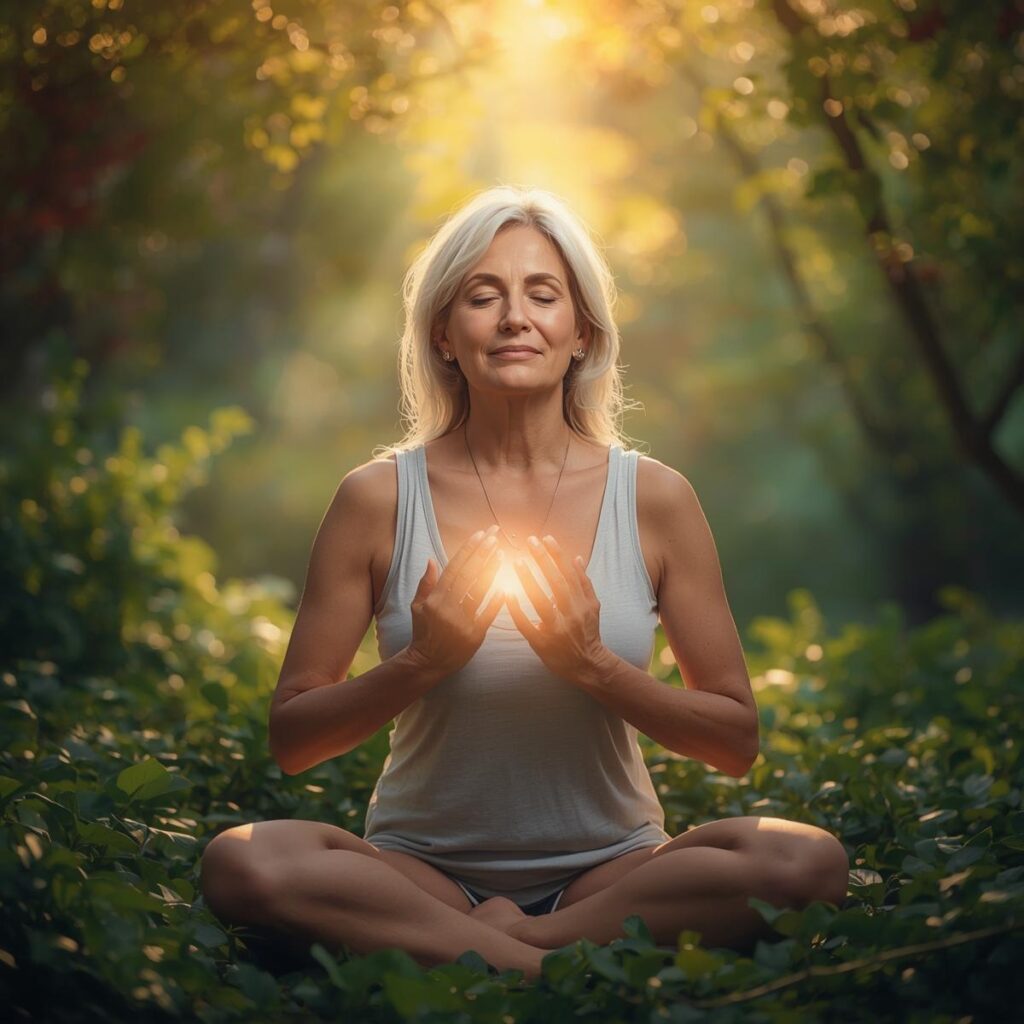
Hand-on-Heart Breathing: Place your hands over your heart, breathe deeply, and imagine warm light filling your chest.
Grounding Visualization: Imagine roots growing from your feet into the earth, anchoring and stabilizing you.
Self-Chakra Balancing: Sit quietly, focus on each chakra from root to crown, and visualize them glowing with light.
Sound Bath at Home: Play calming sound healing tracks online while lying down in a relaxed position.
Even a few minutes of these practices can reduce stress and restore balance.
Building Confidence with Energy Healing
Many women hesitate to try energy healing because it feels unfamiliar. But like meditation or yoga, the benefits grow with practice and openness. You don’t need special tools—just a willingness to slow down, tune in, and trust your body’s wisdom.
Internal Link Placeholder
Wellness Tune provides beginner-friendly resources to help you explore Reiki, chakra balancing, and sound healing as part of your holistic journey. [Internal link placeholder]
Journaling & Emotional Release Practices
Using Writing as Therapy
Journaling is more than just putting words on paper—it’s a safe and powerful tool for emotional healing. For women over 40, life often feels full of transitions: children growing up, career shifts, aging parents, and changes in health. These experiences can stir up emotions that, if left unexpressed, may create stress or even physical symptoms. Writing provides a gentle outlet for release, helping to process thoughts and feelings in a healthy way.
When you journal, you give yourself space to slow down, listen inward, and honor your truth. This practice not only helps in reducing stress but also boosts clarity and self-awareness, making it easier to make conscious choices in everyday life.
Prompts for Self-Discovery and Healing
If you’re new to journaling, starting with prompts can guide you into deeper reflection. Some healing prompts include:
What is my body trying to tell me right now?
What emotions am I avoiding, and why?
What do I need more of in my life at this stage?
What can I forgive myself (or others) for today?
When do I feel most alive and at peace?
These prompts encourage you to look inward with compassion, not judgment.
Bullet List: Journaling Ideas
Here are simple ways to weave journaling into daily life:
Gratitude journaling: Write down 3 things you’re grateful for each morning or evening.
Morning pages: Fill 1–2 pages with free-flowing thoughts to clear mental clutter.
Emotional release journaling: Write a letter you never send, releasing pent-up feelings.
Vision journaling: Write about your ideal future self and the life you want to create.
Healing affirmations: Record empowering statements and reread them daily.
Combining Journaling with Other Healing Practices
Journaling can become even more powerful when paired with meditation, breathwork, or energy practices. For example, after meditation, writing down any insights or emotions that surfaced can help you process and integrate them.
Internal Link Placeholder
At Wellness Tune, we share guided journaling practices as part of our self-care and emotional healing resources. [Internal link placeholder]
Detoxing Body, Mind & Environment
Daily Detox Habits for Modern Women
Detoxing isn’t just about green juices or week-long cleanses. For women over 40, it’s about creating sustainable habits that reduce stress on the body and mind every single day. As we age, the body’s natural detox systems—liver, kidneys, skin, lungs—can use extra support. Gentle, consistent detoxing helps improve energy, skin health, digestion, and even mental clarity.
Simple daily habits include drinking more water, eating fiber-rich foods, and moving your body to stimulate circulation. These small steps add up over time, supporting long-term health without extremes or deprivation.
Reducing Toxins in Food and Lifestyle
One of the most effective forms of detox is simply avoiding unnecessary toxins in the first place. Many processed foods, chemical-laden beauty products, and household cleaners introduce toxins that strain the body. Shifting toward natural alternatives creates a lighter, cleaner internal and external environment.
Practical Food Detox Tips
Choose whole, organic foods when possible.
Limit processed sugar and refined carbs.
Add cruciferous vegetables (broccoli, kale, cabbage) to support liver detox.
Drink warm lemon water in the morning to boost digestion.
Lifestyle Detox Tips
Swap chemical-heavy cleaners for natural vinegar or baking soda solutions.
Use natural skincare and beauty products.
Take technology breaks to detox your mind from constant digital stimulation.
Declutter your living space—physical clutter often creates mental clutter.
Emotional & Mental Detox
Detoxing is also about clearing emotional and mental overload. Stress, toxic relationships, and negative self-talk are just as draining as processed food. Practices like meditation, journaling, and setting healthy boundaries can help release what no longer serves you.
Emotional Detox Practices
Write a forgiveness letter (even if you never send it).
Spend time in nature to reset your mind and spirit.
Limit exposure to negative news or social media.
Practice saying “no” without guilt.
Why Women Over 40 Benefit Most from Detox
At this stage of life, hormonal shifts can slow metabolism and affect energy levels. Supporting the body with detox habits helps reduce bloating, improve digestion, and balance hormones naturally. By combining physical, emotional, and environmental detox practices, you create space for deeper healing.
Internal Link Placeholder
Explore our [Detox and Holistic Nutrition Guide] at Wellness Tune for practical, everyday tips. [Internal link placeholder]
External Link
For science-based guidance on detoxifying foods and habits, visit Harvard Health’s nutrition resources.
Creating Sacred Self-Care Rituals
Why Rituals Matter More Than Routines
Many women have daily routines—wake up, work, cook, clean, sleep—but these often feel mechanical and draining. A ritual, on the other hand, transforms ordinary actions into sacred, healing practices. Rituals carry intention, mindfulness, and self-love. For women over 40, when life feels busy or overwhelming, turning simple acts into rituals can create a sense of grounding and inner peace.
For example, making tea can become a calming ritual when you slow down, breathe deeply, and set the intention to nourish yourself. A skincare routine can become a ritual when done with gratitude for your body. It’s not what you do, but how you do it that makes it sacred.
Morning Self-Healing Rituals
Starting the day with intention helps set the tone for everything that follows. Simple practices include:
Drinking warm lemon water to gently awaken digestion.
Practicing 5–10 minutes of deep breathing or meditation.
Journaling one empowering affirmation for the day.
Moving your body through stretching, yoga, or a mindful walk.
These practices help energize the body, calm the mind, and remind you to approach the day with balance and clarity.
Evening Self-Healing Rituals
Evenings are an opportunity to release the day’s stress and prepare for restorative sleep. Healing rituals might include:
Lighting a candle and practicing gratitude for three positive moments.
Taking a warm bath with Epsom salts or essential oils.
Writing in a journal to release emotions before bed.
Doing gentle yoga or body scans to relax muscles.
These rituals signal to the body that it’s safe to rest, promoting deeper sleep and emotional calm.
Turning Self-Care into a Sacred Practice
Self-care often gets labeled as indulgent, but in reality, it’s a necessity—especially in midlife. Sacred rituals help women shift from feeling guilty about self-care to embracing it as an act of self-healing. When you nurture yourself, you have more energy and presence to share with loved ones.
Internal Link Placeholder
Discover our [Self-Care Rituals for Healing] course at Wellness Tune, designed to help women create meaningful practices at home. [Internal link placeholder
The Role of Community in Healing
Why Community Matters for Women Over 40
Healing isn’t a journey meant to be walked alone. For many women over 40, life can feel isolating—children may be leaving home, friendships may shift, or careers may demand long hours. A strong sense of community provides emotional support, inspiration, and accountability. Research consistently shows that women who maintain strong social connections experience better mental health, stronger immunity, and even greater longevity.
Community reminds us that we’re not alone in our struggles, and it helps transform healing from a solitary effort into a shared, empowering experience.
Types of Healing Communities
Healing communities can take many forms, depending on your personality and preferences:
In-Person Groups: Yoga studios, meditation circles, book clubs, women’s retreats, or wellness workshops.
Online Communities: Virtual circles, wellness forums, or holistic health platforms where women support each other.
Faith or Spiritual Communities: Churches, temples, or spiritual circles that emphasize connection and shared values.
Creative Communities: Art groups, journaling circles, or music classes that combine healing with creative expression.
Bullet List: Benefits of Community Healing
Reduces stress and loneliness.
Provides accountability for wellness goals.
Offers safe spaces for sharing emotions.
Encourages learning new perspectives and healing practices.
Builds lasting friendships rooted in authenticity.
Creating Your Own Healing Circle
If you can’t find a community that feels right, you can create one. Start small—invite a few friends to gather weekly for meditation, journaling, or simply sharing stories over tea. With intention and consistency, this circle can grow into a sacred space of connection and support.
Internal Link Placeholder
At Wellness Tune, we’re building an online space where women can come together to share self-healing journeys and learn from one another. [Internal link placeholder]
Integrating Spirituality in Healing
The Role of Spiritual Connection
Spirituality doesn’t necessarily mean religion—it’s about connecting with something greater than yourself. For women over 40, spiritual practices can provide grounding, purpose, and a deeper sense of meaning. Integrating spirituality into self-healing helps align mind, body, and spirit, creating a holistic sense of wellness.
This connection supports emotional balance, reduces stress, and strengthens resilience during life’s transitions. It’s a gentle reminder that healing is not just physical, but also emotional and spiritual.
Simple Ways to Integrate Spirituality
Even small daily practices can foster a deeper spiritual connection:
Meditation or Prayer: Spend a few minutes each day in quiet reflection.
Gratitude Practices: Acknowledge blessings, big or small, to cultivate positivity.
Nature Connection: Walk barefoot, garden, or spend time outdoors mindfully.
Reading or Study: Explore spiritual texts or inspiring literature that resonates with your values.
Acts of Kindness: Serving others fosters a sense of purpose and interconnectedness.
Real-Life Stories
Many women find that adding spiritual rituals—like journaling prayers, lighting a candle with intention, or mindful walks—helps release emotional blocks and cultivates inner peace. Sharing these experiences in supportive circles amplifies the healing effect, creating a ripple of wellness that extends beyond the individual.
Internal Link Placeholder
Wellness Tune offers resources and courses on mindful living, meditation, and spiritual practices for women seeking deeper self-healing. [Internal link placeholder]
Overcoming Common Obstacles to Self-Healing
Common Challenges Women Over 40 Face
Even with the best intentions, self-healing can feel challenging. Many women encounter barriers such as lack of time, guilt over prioritizing themselves, or difficulty staying consistent with new habits. Recognizing these obstacles is the first step toward overcoming them.
Some common challenges include:
Time Constraints: Busy schedules juggling work, family, and household responsibilities.
Guilt: Feeling selfish for dedicating time to self-care.
Consistency Issues: Starting new practices enthusiastically but struggling to maintain them.
Self-Doubt: Questioning whether self-healing can really make a difference.
External Stressors: Family demands, work stress, or financial pressures that disrupt routines.
Practical Solutions for Busy Women
Even small adjustments can create meaningful results:
Micro-Practices: Break self-healing into 5–10 minute activities that fit your schedule. For example, a 5-minute morning stretch or a brief breathing exercise.
Set Boundaries: Communicate clearly with family or colleagues about your personal time. Saying “no” can protect your energy without guilt.
Create a Routine: Link new practices to existing habits (e.g., journaling after brushing your teeth).
Celebrate Small Wins: Acknowledge every step you take, no matter how small—it builds confidence.
Seek Support: Join online or in-person communities for accountability and encouragement.
Mindset Shifts for Success
Sometimes the biggest obstacle is our mindset. Shifting from “I don’t have time” to “This is essential for my well-being” transforms self-healing from a chore to a vital part of life. Embrace imperfection—healing isn’t linear, and every effort counts.
Internal Link Placeholder
Wellness Tune offers resources and free guides to help women overcome obstacles and maintain daily self-healing habits. [Internal link placeholder]
Conclusion: Awakening the Inner Healer
Trusting Your Body’s Wisdom
Self-healing is a journey, not a destination. For women over 40, it’s about embracing the wisdom your body has accumulated over the years. By listening closely to your body, honoring your emotions, and nurturing your mind, you awaken the inner healer within you. This is not about perfection or quick fixes—it’s about creating sustainable habits that restore balance and vitality.
Embracing a Holistic Lifestyle
Throughout this guide, we’ve explored a wide array of self-healing practices: mindful nutrition, gentle movement, breathwork, meditation, energy healing, journaling, detoxing, sacred rituals, and community support. Each practice contributes to a holistic lifestyle, where body, mind, and spirit work together in harmony. The beauty of holistic self-healing is that even small, consistent actions compound over time, creating lasting positive change.
Encouragement for the Journey Ahead
Remember, self-healing is deeply personal. What works for one woman may differ for another. Explore, experiment, and honor your unique needs. Celebrate your progress, even the smallest steps, and approach each day with curiosity and self-compassion. The inner healer is always present—you only need to create the space to awaken it.
Gentle Call to Action
If you’re ready to take your self-healing journey further, Wellness Tune offers free courses, guides, and supportive communities to help you integrate these practices into everyday life. Begin today, and step into midlife with confidence, balance, and joy.
FAQ Section
Q1: What is the fastest self-healing practice for women over 40?
A1: Mindful breathing and short meditation sessions are among the quickest ways to reset the nervous system and reduce stress.
Q2: Can self-healing replace medical care?
A2: Self-healing complements medical care but does not replace it. Always consult a healthcare professional for diagnosis or treatment.
Q3: How long does it take to notice benefits?
A3: Some benefits, like reduced stress and better mood, may appear in days. Other changes, like hormonal balance or improved vitality, often take weeks or months with consistent practice.
Q4: Is self-healing safe during menopause?
A4: Yes, self-healing practices like gentle movement, breathwork, nutrition, and meditation are generally safe. Always check with your doctor before starting new supplements or intense exercises.
Q5: What are the simplest daily self-healing habits?
A5: Daily habits like mindful breathing, hydration, journaling, gentle stretching, and gratitude practices can have a profound impact over time.




Responses