
The Benefits of Herbal Remedies in Holistic Health

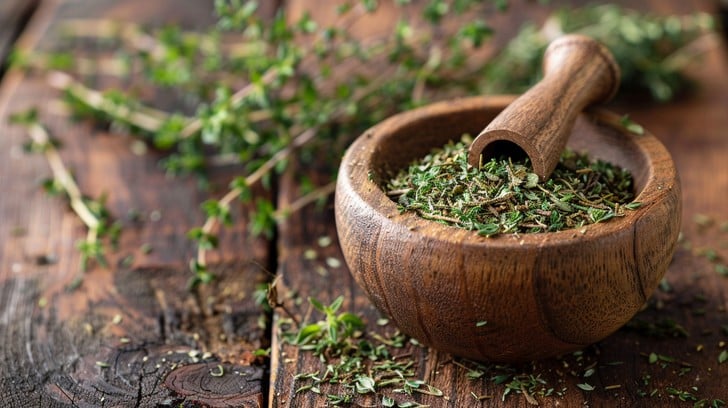
Herbal remedies have been used for centuries across different cultures to support overall health and well-being. In the context of holistic health, herbal remedies are an essential component of the natural approach to wellness, as they work synergistically with the body to promote healing and balance. Unlike pharmaceutical medications that often focus on treating specific symptoms, herbal remedies aim to treat the whole person, addressing physical, emotional, and spiritual health.
In this blog, we will explore the many benefits of herbal remedies in holistic health and how they can be incorporated into your wellness routine.
1. Supporting Immune Function
Herbal remedies are known for their ability to strengthen the immune system and help the body defend against illness. Many herbs, such as Echinacea, elderberry, and astragalus, are particularly effective in boosting immune function and shortening the duration of colds and other infections.
- Echinacea: Known for its immune-boosting properties, Echinacea is often used to prevent colds and flu.
- Elderberry: Packed with antioxidants, elderberry has antiviral properties that help reduce symptoms of cold and flu.
- Astragalus: This herb enhances immune function and has anti-inflammatory properties.
External Resource: Echinacea Benefits for Immune Support
2. Promoting Digestive Health
Digestive health is essential to overall wellness. Herbal remedies can support digestion, reduce bloating, and alleviate symptoms of indigestion. Some of the most effective herbs for digestive health include peppermint, ginger, and chamomile.
- Peppermint: Known for its soothing effects on the digestive system, peppermint can help alleviate symptoms of irritable bowel syndrome (IBS) and indigestion.
- Ginger: Ginger is an excellent remedy for nausea, bloating, and general digestive discomfort. It also has anti-inflammatory properties.
- Chamomile: Chamomile tea is well known for its calming effects and is commonly used to treat indigestion, gas, and bloating.
External Resource: Herbal Remedies for Digestive Health
3. Reducing Stress and Anxiety
Herbal remedies have long been used to help manage stress, anxiety, and other mental health concerns. Herbs like lavender, valerian root, and lemon balm are commonly used for their calming effects on the nervous system.
- Lavender: Lavender is widely known for its ability to reduce stress and anxiety. It has a calming effect on the nervous system and promotes relaxation.
- Valerian Root: Often used to promote restful sleep, valerian root has sedative properties that can help manage anxiety and reduce stress levels.
- Lemon Balm: Lemon balm is known for its ability to improve mood, reduce anxiety, and promote relaxation.
External Resource: Herbs for Stress and Anxiety Relief
4. Supporting Mental Clarity and Focus
Certain herbs can help improve mental clarity, focus, and cognitive function, which are essential for maintaining a healthy mind and balanced energy levels. Some herbs, such as ginkgo biloba, rosemary, and gotu kola, are particularly effective in supporting brain health.
- Ginkgo Biloba: Known for its cognitive-enhancing effects, ginkgo biloba is often used to improve memory, concentration, and overall brain function.
- Rosemary: Rosemary is believed to enhance memory and mental clarity, making it a great herb for boosting cognitive function.
- Gotu Kola: Gotu kola is an adaptogenic herb that supports brain function and reduces symptoms of mental fatigue.
External Resource: Herbal Remedies for Brain Health
5. Reducing Inflammation and Pain
Chronic inflammation can lead to a variety of health issues, including joint pain, arthritis, and cardiovascular problems. Herbal remedies, such as turmeric, willow bark, and ginger, can help reduce inflammation and manage pain naturally.
- Turmeric: Known for its powerful anti-inflammatory properties, turmeric contains curcumin, which helps reduce pain and inflammation in the body.
- Willow Bark: Willow bark contains salicin, which is chemically similar to aspirin and is often used as a natural remedy for pain relief.
- Ginger: In addition to supporting digestion, ginger also has strong anti-inflammatory properties that can help reduce joint pain and muscle stiffness.
External Resource: Turmeric and Its Anti-Inflammatory Benefits
6. Promoting Better Sleep
Sleep is crucial for overall health and well-being. If you struggle with insomnia or poor sleep quality, certain herbs can help you relax and fall asleep more easily. Valerian root, chamomile, and passionflower are popular choices for promoting restful sleep.
- Valerian Root: Known for its sedative effects, valerian root is often used as a natural remedy for insomnia and to promote deep, restful sleep.
- Chamomile: Chamomile is a gentle herb known for its calming effects, helping to reduce anxiety and promote better sleep.
- Passionflower: Passionflower is commonly used to treat anxiety and insomnia by calming the nervous system and encouraging relaxation.
External Resource: Herbal Remedies for Sleep Disorders
7. Enhancing Skin Health
Many herbal remedies have been used to improve skin health, treat acne, reduce inflammation, and heal wounds. Herbs such as aloe vera, calendula, and tea tree oil are particularly beneficial for skin health.
- Aloe Vera: Aloe vera is well known for its soothing and healing properties, particularly for burns, cuts, and dry skin.
- Calendula: Calendula is a powerful anti-inflammatory herb that can help treat skin conditions like eczema, dermatitis, and acne.
- Tea Tree Oil: Tea tree oil has antibacterial and antifungal properties, making it an excellent remedy for acne and other skin infections.
External Resource: Herbal Remedies for Skin Health
Conclusion
Herbal remedies are an essential part of a holistic approach to health and wellness. Whether you’re looking to support your immune system, improve your digestion, reduce stress, or enhance your sleep, herbal remedies can offer natural and effective solutions. However, it’s important to remember that not all herbs are suitable for everyone, and it’s always a good idea to consult with a healthcare provider before starting any new herbal regimen.
Incorporating herbs into your daily routine can provide profound benefits for your overall health, helping you feel more balanced, energized, and connected with your body’s natural healing abilities.






Responses