
What is the Gut-Brain Connection: The Ultimate Guide to Healing Fatigue and Anxiety Naturally (2025)

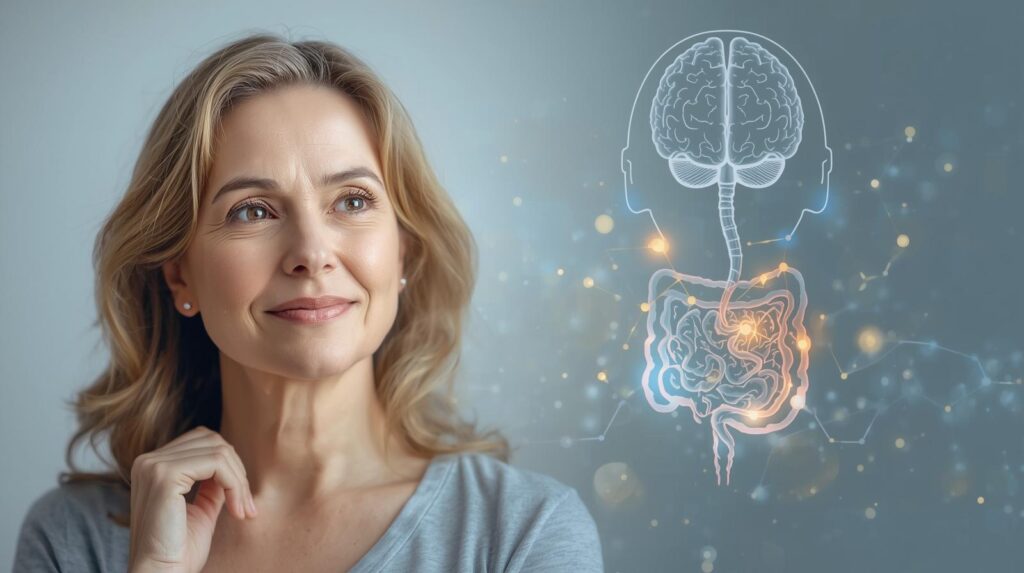
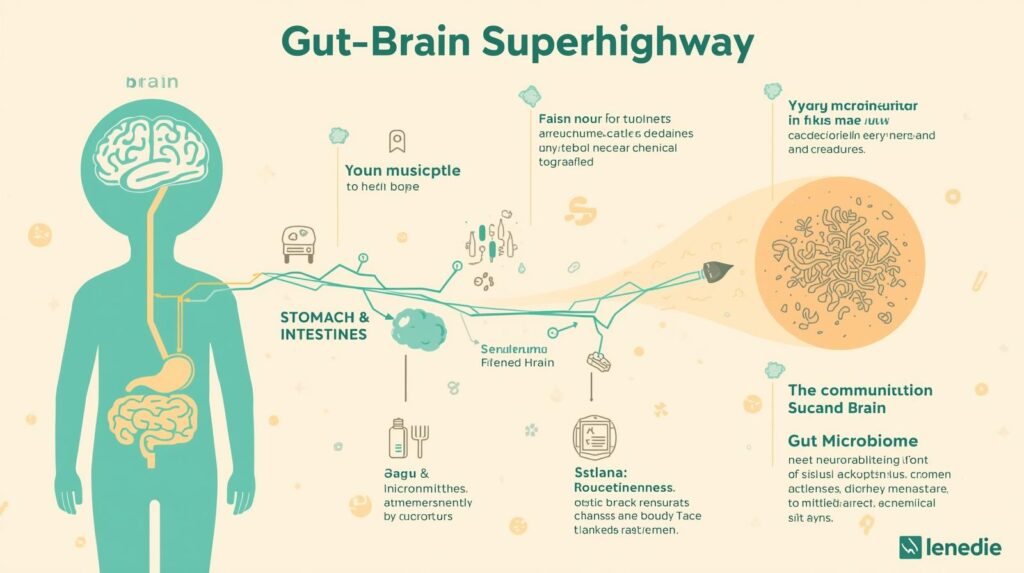
Let’s dive into the beautiful biology that makes you so wonderfully complex. The gut-brain connection, formally known as the gut-brain axis (GBA), isn’t a mystical concept—it’s a sophisticated, two-way communication network that links your central nervous system (your brain and spinal cord) with your enteric nervous system (the intricate network of neurons embedded in the walls of your gut). Think of it as a superhighway with constant, buzzing traffic flowing in both directions.
This isn’t a minor country road; it’s a major interstate where messages about hunger, stress, mood, and immunity are relayed every second of every day. When this highway is clear and well-maintained, your body experiences harmony. But when there’s roadwork, accidents, or traffic jams, the communication breaks down, and that’s when we start to experience symptoms. Understanding what the gut-brain connection is and how to heal it naturally begins with appreciating this incredible, real-time dialogue happening within you.
Your Gut: The Second Brain with a Mind of Its Own
You may be surprised to learn that your gut contains over 100 million nerve cells—more than your spinal cord. This is why scientists often call it the “second brain” or the enteric nervous system (ENS). This “brain in your gut” doesn’t write poetry or solve math problems, but it is responsible for the complex job of managing every aspect of digestion: from breaking down food and absorbing nutrients to orchestrating the muscular contractions that move everything along. Most remarkably, it can operate independently from the brain in your head.
However, it’s in constant conversation with it. This is why you can feel stress—an emotion processed in your head—as a physical cramp or ache in your stomach. The two brains are intimately linked, and one profoundly influences the other. This is the core of the gut-brain connection and the reason why a troubled gut can send signals to the brain, just as a troubled brain can send signals to the gut.
The Key Messengers on the Gut-Brain Superhighway
So, how do these two distant parts of your body actually “talk” to each other? They use several dedicated messengers to carry their signals. The first and most direct is the Vagus Nerve. Picture this as the main fiber-optic cable of the superhighway. It’s the longest nerve in your body, running from your brainstem all the way down to your colon, touching your heart and other major organs along the way.
An estimated 80-90% of the signals traveling this nerve are going from your gut to your brain, not the other way around. This means your gut has a lot more to say to your brain than your brain does to your gut! A “toned” and healthy vagus nerve is associated with better mood, resilience to stress, and calm digestion.
The second set of messengers are Neurotransmitters. These are the chemical languages your nervous system uses to communicate. You probably know that your brain produces serotonin, the famous “happiness hormone.” But did you know that an estimated 90% of your body’s serotonin is actually produced in your gut?
Your gut microbes play a huge role in producing this and other critical neurotransmitters like GABA (which calms nervous activity) and dopamine (involved in reward and motivation). The state of your gut directly influences the production of these chemicals, which then travel through your bloodstream and influence your brain’s function and your emotional state. This is a powerful example of how to heal the gut-brain connection naturally—by fostering a gut environment that encourages the production of these feel-good chemicals.
The third, and perhaps most influential, group of messengers is your Gut Microbiome. This is the vast community of trillions of bacteria, fungi, and other microbes living in your intestines. This isn’t a passive community; it’s an active organ that interacts with your gut cells and your immune system. These tiny inhabitants help digest your food, but they also produce a wealth of neuroactive compounds, including those neurotransmitters we just discussed.
They also influence inflammation levels throughout your body. A diverse, balanced microbiome sends calming, anti-inflammatory signals up the vagus nerve and into the bloodstream, promoting mental clarity and emotional stability. An imbalanced microbiome, on the other hand, can produce toxins and inflammatory molecules that disrupt this delicate communication, contributing to anxiety, brain fog, and low mood. Cultivating a healthy microbiome is therefore one of the most effective natural pathways to heal the gut-brain axis.
Learn More The Gut-Brain Connection
The Gut-Brain Axis and Women’s Health: A Special Relationship
While the gut-brain connection is fundamental to every human’s health, for women, it’s a relationship that holds unique nuances and profound implications. Our hormonal landscape—the beautiful, complex ebb and flow of estrogen, progesterone, and others—doesn’t operate in a vacuum. It is in a constant, intimate dance with our gut microbiome.
This means that the challenges and shifts we experience through perimenopause, menopause, and our monthly cycles are not just happening in our ovaries or our brains; they are being deeply felt and influenced within our guts. Understanding this special relationship is the key to unlocking more targeted and effective strategies for healing the gut-brain connection naturally, specifically tailored to the female body. It empowers us to see our symptoms not as isolated issues, but as interconnected signals from this core axis of our well-being.
The Estrogen-Microbiome Dialogue: A Two-Way Street
One of the most critical conversations in a woman’s body is the one between her gut bacteria and her estrogen levels. This relationship is a perfect two-way street. On one hand, a healthy, diverse gut microbiome helps to regulate your body’s estrogen levels through an assembly of microbes known as the “estrobolome.” These beneficial bacteria produce an enzyme that metabolizes estrogen, allowing it to circulate in its active form. When your gut is balanced, estrogen is metabolized optimally. However, when dysbiosis (an imbalance of good and bad bacteria) occurs, this process can be disrupted, leading to either a deficiency or an excess of circulating estrogen.
This imbalance has been linked to a higher risk of conditions like estrogen-driven cancers, PCOS, and severe perimenopausal symptoms. On the other hand, your estrogen levels directly affect your gut. Estrogen has a protective, anti-inflammatory effect on the gut lining and can influence gut motility. This is why many women experience significant changes in their digestion—from bloating to constipation—as their hormones fluctuate throughout their cycle and during perimenopause. Nurturing your gut is, therefore, a direct way to support your hormonal harmony.
Navigating Perimenopause and Menopause with Gut-Brain Wisdom
The transition into perimenopause and menopause is a prime example of this powerful interplay. As estrogen levels begin their natural decline, the protective effect on the gut lining can diminish, potentially leading to increased intestinal permeability (“leaky gut”). This can allow inflammatory particles to enter the bloodstream, triggering systemic inflammation that can manifest as brain fog, joint pain, and mood swings.
Simultaneously, the shifting hormonal landscape directly impacts the diversity of your gut microbiome. Many women notice that foods they once tolerated well now cause discomfort, and anxiety or depression may surface or intensify. This isn’t “all in your head”; it’s a physiological process rooted in the gut-brain axis. By focusing on natural healing strategies during this time—such as incorporating phytoestrogen-rich foods, supporting gut lining integrity, and managing stress—you can smooth this transition significantly. It’s about working with your body’s changes, not against them, and your gut is your greatest ally in this process.
PMS, PCOS, and the Gut-Inflammation Link
For women who experience premenstrual syndrome (PMS) or polycystic ovary syndrome (PCOS), the gut-brain connection offers a fresh perspective on finding relief. The bloating, irritability, and food cravings characteristic of PMS are now understood to be closely tied to gut health. In the week or two before your period, shifting progesterone and estrogen levels can slow gut motility, leading to constipation and bloating. Furthermore, if your baseline gut microbiome is already imbalanced, the inflammatory response triggered by these hormonal shifts can be more severe, amplifying mood-related symptoms.
For women with PCOS, a condition often characterized by insulin resistance and chronic low-grade inflammation, gut health is even more critical. Research suggests that women with PCOS often have less diverse gut microbiomes, which can exacerbate both their metabolic and emotional symptoms. Addressing the root cause by healing the gut-brain axis through targeted dietary changes, probiotics, and anti-inflammatory practices can be a game-changer in managing these conditions holistically.
To make this connection clearer, let’s look at a table that outlines common women’s health issues and their direct link to the gut-brain axis:
| Common Women’s Health Issue | Its Direct Gut-Brain Connection |
|---|---|
| Perimenopausal Mood Swings & Brain Fog | Declining estrogen alters the gut microbiome, increasing inflammation which can cross the blood-brain barrier and affect mood and cognition. |
| PCOS & Insulin Resistance | A less diverse gut microbiome can contribute to increased intestinal permeability and inflammation, worsening insulin resistance. |
| Premenstrual Syndrome (PMS) | Hormonal fluctuations slow digestion and can worsen gut dysbiosis, leading to increased bloating and systemic inflammation that impacts mood. |
| Low Libido | Gut dysbiosis can impair the production of neurotransmitters like serotonin and dopamine, which are crucial for sexual desire and response. |
| Weight Gain (especially abdominal) | An imbalanced microbiome can influence metabolism, fat storage, and hunger hormones like leptin and ghrelin, making weight management more challenging. |
Understanding this unique relationship allows us to move beyond one-size-fits-all health advice. It calls for a feminine-centric approach to wellness, where supporting our gut is synonymous with supporting our hormones, our mood, and our vitality at every stage of life. If you’re ready to dive deeper into creating a personalized plan that honors this connection, our course, Hormonal Harmony: A Holistic Approach to Women’s Wellness, provides the perfect next step on your journey to balance.
Signs Your Gut-Brain Axis Needs Support: Listening to Your Body’s Signals
Your body is a magnificent, intelligent system that is always communicating with you. When the delicate balance of your gut-brain axis is disrupted, it doesn’t stay silent; it sends out signals—whispers that can gradually become shouts if they’re ignored. Learning to recognize these signs is the first and most empowering step toward taking proactive control of your health.
So often, we dismiss bloating as “something I ate” or brain fog as “just being tired,” without connecting the dots to see the larger picture. This isn’t about creating alarm, but about fostering awareness. By understanding these signals, you can begin to answer the call of your body and start your journey toward healing the gut-brain connection naturally. Let’s explore the common languages of a distressed gut-brain axis.
Digestive Distress: The Most Obvious Whispers
Your digestive system is the home of your “second brain,” so it’s often the first place to show signs of imbalance. While occasional discomfort is normal, persistent issues are your body’s way of asking for help. Pay close attention to patterns. Do you frequently experience bloating that makes you feel uncomfortably full and tight, even after a light meal? What about excessive gas, constipation, or diarrhea that seems to have no clear cause?
These are classic signs that your gut microbiome may be out of balance, a state known as dysbiosis, or that the intricate muscular movements of your digestive tract are being disrupted by stress signals from the brain. Another major red flag is the development of new food sensitivities or intolerances. If you find that foods you once enjoyed now cause discomfort, it could indicate a compromised gut lining or an imbalance in the enzymes and bacteria needed to break them down properly. These digestive whispers are a direct plea for you to turn your attention inward.
Mental and Emotional Fog: When Your Gut Feels Your Feelings
Perhaps the most profound evidence of the gut-brain connection is how directly our digestive health influences our mental and emotional state. If you find yourself struggling with persistent, low-grade anxiety that seems to hum in the background of your life, or feelings of sadness and depression that are difficult to shake, your gut may be a contributing factor. Remember, the majority of your serotonin is produced in your gut.
If production is hampered by an imbalanced microbiome, your brain feels the impact. Similarly, “brain fog”—that frustrating feeling of being mentally cloudy, forgetful, and unable to focus—is a very common signal from a distressed gut-brain axis. It’s often driven by systemic inflammation that originates in the gut and travels to the brain, disrupting cognitive function. You may also notice that your resilience to everyday stress is lower, leaving you feeling irritable, overwhelmed, and emotionally fragile. These aren’t character flaws; they are physiological signals that the communication highway between your gut and your brain is experiencing heavy traffic and needs your support.
The Ripple Effect: Other Physical Clues You Might Miss
The communication from your gut-brain axis doesn’t stop at your digestion and your mood. It creates a ripple effect throughout your entire body. Unexplained fatigue, for instance, is a major clue. If you’re getting enough sleep but still feel drained, it could be due to your body expending constant energy on low-grade inflammation or struggling to absorb the nutrients it needs for energy production. Your skin, often called a mirror of your gut health, is another powerful indicator. Conditions like acne, rosacea, eczema, and persistent dryness can all be linked to gut inflammation and dysbiosis.
Even frequent headaches and migraines have a strong connection to gut health, often triggered by food sensitivities or inflammatory compounds produced by an imbalanced microbiome. Don’t overlook intense sugar and carb cravings, either. The harmful bacteria in your gut thrive on sugar, and they can cleverly hijack your brain’s signaling to demand more of what they want to eat, creating a vicious cycle that’s hard to break.
To help you put it all together, here is a comprehensive checklist of symptoms. Use it not as a diagnostic tool, but as a guide for self-reflection and a starting point for conversation with your healthcare provider.
A Self-Assessment Checklist: Is Your Gut-Brain Axis Asking for Help?
- Digestive Symptoms:
- Frequent bloating or abdominal distension after meals
- Excessive gas (flatulence or burping)
- Constipation (fewer than three bowel movements per week)
- Diarrhea or loose stools
- Heartburn or acid reflux (GERD)
- Diagnosis of Irritable Bowel Syndrome (IBS)
- New or worsening food sensitivities (e.g., to gluten, dairy, FODMAPs)
- Mental & Emotional Symptoms:
- Persistent, low-grade anxiety or feeling “on edge”
- Feelings of depression or low mood
- “Brain fog,” difficulty concentrating, or memory lapses
- Poor stress resilience and increased irritability
- Unexplained mood swings
- Other Physical Symptoms:
- Persistent fatigue and low energy, despite adequate sleep
- Skin issues like acne, rosacea, eczema, or psoriasis
- Frequent headaches or migraines
- Strong, persistent cravings for sugar and refined carbohydrates
- Unexplained weight gain or difficulty losing weight
- Autoimmune conditions (e.g., Hashimoto’s thyroiditis, rheumatoid arthritis)
- Joint pain and achiness
- Sleep disturbances, such as insomnia or restless sleep
If you checked several of these boxes, please know you are not alone, and this is not a life sentence. It is a map. It shows you where your body needs attention and lovingly guides you toward the positive changes we will explore in the rest of this guide. Recognizing these signals is the first act of healing, and every step you take from here is a move toward reclaiming your vitality. For a guided journey that helps you systematically address these symptoms, our course The Gut-Healing Protocol: A 4-Week Reset offers a structured and supportive path forward.
The 5 Pillars of Healing the Gut-Brain Connection Naturally
When you begin to understand the profound complexity of the gut-brain axis, it can feel a little overwhelming. With so many factors at play—from your microbiome to your vagus nerve—where do you even begin? The beauty of a holistic approach is that we don’t need to tackle everything at once with a rigid, punishing protocol. Instead, we can build a foundation of vibrant health by focusing on a few key, supportive pillars.
These five pillars are not quick fixes; they are timeless, nurturing principles that work in harmony with your body’s innate wisdom. They are designed to be integrated into your life in a way that feels sustainable, gentle, and empowering. By embracing these five pillars, you are not just silencing symptoms; you are actively participating in healing the gut-brain connection naturally, creating a resilient and harmonious system from the inside out.
Think of these pillars as the essential elements for tending your inner garden. Just as a plant needs sunlight, water, good soil, and space to grow, your gut-brain axis needs consistent, loving care across these five areas to truly flourish. The goal is progress, not perfection. Even small, consistent steps in each of these areas will create a powerful cumulative effect, gently guiding your body back toward its natural state of balance. This framework takes the mystery out of wellness and gives you a clear, actionable path forward, turning the abstract concept of the gut-brain connection into a practical daily practice.
Let’s introduce the five pillars that will form the backbone of your healing journey:
- Nourish: This pillar is all about the building blocks you provide your body through food. We will explore how to choose and prepare foods that actively reduce inflammation, support a diverse microbiome, and provide the essential nutrients your brain and gut need to produce neurotransmitters and repair tissue. This is about abundance, not deprivation—learning to build a “gut-loving plate” that is as delicious as it is healing.
- Soothe: Here, we address the single most disruptive force to the gut-brain axis: chronic stress. This pillar moves beyond the plate to focus on your nervous system. You will learn practical, accessible techniques to calm your mind, tone your vagus nerve, and lower the cortisol levels that can damage your gut lining and disrupt your microbial balance. This is about creating moments of peace in your daily life.
- Seed: This pillar focuses directly on cultivating your inner ecosystem—your gut microbiome. We will delve into the world of probiotics (the beneficial bacteria themselves) and prebiotics (the food for those bacteria), learning how to incorporate them through both fermented foods and strategic supplements. You’ll learn how to “seed” your gut with the right microbes to create a thriving, resilient community.
- Move: Physical activity is a powerful modulator of the gut-brain axis, but the type and intensity matter greatly. This pillar emphasizes gentle, mindful movement that stimulates digestion, reduces inflammation, and enhances vagal tone without putting additional stress on the body. We’ll explore why a walk in nature can be more beneficial for your gut than a high-intensity workout when you’re feeling out of balance.
- Rest: The final pillar acknowledges the critical, non-negotiable role of sleep and deep rest in the healing process. Your gut and brain perform their most important repair work while you sleep. We will look at the intimate connection between your circadian rhythms and your gut microbiome, and provide simple strategies for improving your sleep hygiene to support this essential restorative process.
These five pillars—Nourish, Soothe, Seed, Move, and Rest—are deeply interconnected. Improving your sleep (Rest) will give you more energy to move (Move) and make better food choices (Nourish). Soothing your nervous system (Soothe) will improve your digestion, allowing you to better absorb the nutrients from the food you eat (Nourish) and support your microbiome (Seed). You can start with the pillar that feels most accessible to you and build from there. In the following sections, we will dive deep into each one, providing you with a rich toolkit of strategies, recipes, and daily practices. This is your personalized roadmap to healing your gut and calming your mind naturally, one supportive pillar at a time.
Pillar 1: Nourish – Eating for a Happy Gut and a Calm Mind
Food is so much more than just fuel; it is information and medicine for your body. Every bite you take is a conversation with your gut microbiome and, by extension, your brain. The goal of this pillar is not to impose a strict, joyless diet but to shift your perspective towards one of abundance and intentional nourishment.
When you choose foods that support your gut-brain connection, you are actively participating in your own healing. You are sending messages of care and support down the gut-brain superhighway, reducing inflammation, fostering the growth of beneficial bacteria, and providing the raw materials for a calm, focused mind. This approach to eating is gentle, flexible, and rooted in the timeless wisdom of whole foods, making it a sustainable cornerstone for healing the gut-brain connection naturally.
Foods to Embrace: Building a Gut-Loving Plate
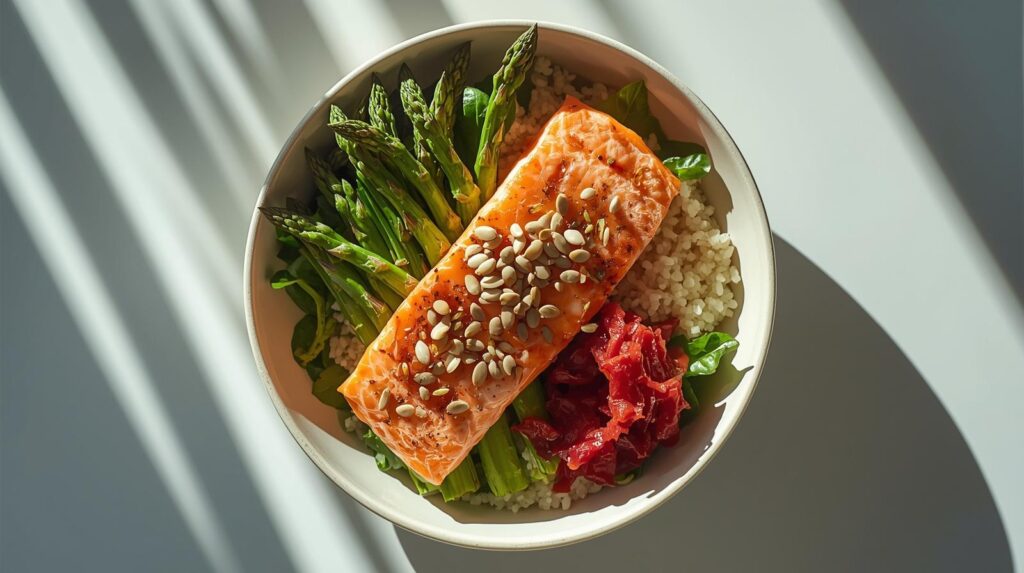
The foundation of a gut-brain nourishing diet is built on a vibrant array of plants, healthy fats, and high-quality proteins. The focus is on adding in the good, crowding out the less beneficial foods naturally. First and foremost, think about fiber. Dietary fiber, particularly prebiotic fiber, is the preferred food for your beneficial gut bacteria. When these bacteria ferment fiber, they produce short-chain fatty acids (SCFAs) like butyrate, which are powerhouse molecules. Butyrate serves as the primary fuel for the cells lining your colon, helping to maintain a strong gut barrier and reduce systemic inflammation, which directly benefits your brain. Wonderful sources of prebiotic fiber include garlic, onions, leeks, asparagus, Jerusalem artichokes, dandelion greens, and slightly green bananas.
Next, welcome a rainbow of polyphenols onto your plate. These are antioxidant compounds found in plants that give fruits and vegetables their brilliant colors. Polyphenols act as a natural fertilizer for your good gut bugs, helping them to thrive while also reducing inflammation throughout the body. Think deeply colored berries, dark leafy greens, green tea, dark chocolate (70% cacao or higher), nuts, and olives.
Don’t shy away from healthy fats, especially omega-3 fatty acids found in fatty fish like salmon and sardines, as well as walnuts, chia seeds, and flaxseeds. Omega-3s are incorporated into the cell membranes of both your brain and gut cells, improving their fluidity and function, and they are powerfully anti-inflammatory. Finally, include clean, high-quality protein from sources like lentils, chickpeas, organic poultry, and wild-caught fish. Protein provides the amino acids that are the building blocks for neurotransmitters like serotonin and dopamine.
Foods to Gently Limit: Calming the Internal Storm
While an abundance mindset is key, it’s also helpful to understand which foods can disrupt the delicate balance of the gut-brain axis. The goal here is not to create fear or a list of “forbidden” foods, but to cultivate awareness. When your system is feeling sensitive, reducing or temporarily eliminating these foods can provide significant relief and accelerate healing. The primary culprits are often:
- Highly Processed Foods: These are typically high in refined sugars, unhealthy fats, and artificial additives. They can promote the growth of harmful bacteria and yeast in the gut, contribute to inflammation, and can even damage the tight junctions of the intestinal lining, leading to leaky gut.
- Refined Sugars and Artificial Sweeteners: Sugar is a primary fuel for pathogenic bacteria and candida, allowing them to outcompete your beneficial microbes. Surprisingly, artificial sweeteners like aspartame and sucralose are not inert; studies suggest they can negatively alter the composition of the gut microbiome.
- Industrial Seed Oils: Oils high in omega-6 fatty acids, such as soybean, corn, and canola oil, are pro-inflammatory when consumed in excess. Since the gut-brain axis is highly susceptible to inflammation, reducing these oils in favor of olive oil, avocado oil, and coconut oil can be very beneficial.
- Conventional Dairy and Gluten (for some): These are common irritants, especially for individuals with existing gut lining damage or sensitivities. They can trigger an immune response and inflammation in susceptible people. This doesn’t mean everyone must avoid them forever, but paying attention to how you feel after consuming them is a valuable part of your personal discovery process.
The Power of Phytonutrients and Anti-Inflammatory Fats
To make this practical, let’s look at a table of some of the most powerful “Gut-Brain Superfoods” and the specific roles they play in fostering harmony. Incorporating a variety of these into your weekly meals is a powerful strategy for natural healing.
| Gut-Brain Superfood | What It Does |
|---|---|
| Fatty Fish (Salmon, Mackerel) | Rich in Omega-3s (EPA & DHA) which reduce brain and gut inflammation and support the structure of cell membranes. |
| Fermented Foods (Kimchi, Kefir) | Provides a direct source of diverse probiotics (beneficial bacteria) to help populate your gut. |
| Leafy Greens (Spinach, Kale) | High in fiber, folate, and magnesium, which support neurotransmitter production and calm the nervous system. |
| Blueberries | Packed with polyphenols and antioxidants that cross the blood-brain barrier to improve signaling and protect the brain from oxidative stress. |
| Walnuts | A great plant-based source of Omega-3s (ALA) and also contain melatonin, which helps regulate sleep-wake cycles. |
| Bone Broth | Rich in collagen, gelatin, and the amino acid glutamine, which are essential for repairing and sealing a leaky gut lining. |
| Dark Chocolate (>70%) | A potent source of polyphenols that increase beneficial gut bacteria like Lactobacillus and Bifidobacterium and boost mood. |
| Turmeric | Contains the powerful anti-inflammatory compound curcumin, which soothes inflammation in both the gut and the brain. |
Remember, nourishment is as much about how you eat as it is about what you eat. Eating in a relaxed state, chewing your food thoroughly, and savoring each meal are simple yet profound practices that activate the “rest and digest” branch of your nervous system, priming your gut for optimal digestion and nutrient absorption. This holistic approach to nourishment is a gift you give yourself every day. For those looking for hands-on guidance, our course Culinary Alchemy: Cooking for Gut-Brain Harmony offers practical cooking classes and meal plans to make this pillar a joyful and delicious part of your life.
Pillar 2: Soothe – Taming Stress to Heal Your Gut
If the first pillar, Nourish, is about what you feed your body, this second pillar is about what you feed your nervous system. In our fast-paced world, chronic stress has become a constant background hum for many women, and its impact on the gut-brain axis is both immediate and profound. When your brain perceives a threat—whether it’s a looming work deadline, a financial worry, or a personal conflict—it triggers the “fight-or-flight” response, releasing a cascade of stress hormones, chiefly cortisol. In the short term, this is a life-saving mechanism.
But when the stress is unrelenting, this constant state of high alert becomes deeply damaging to your gut. Learning to soothe your nervous system is not a luxury; it is a non-negotiable component of healing the gut-brain connection naturally. It is the practice of consciously shifting your body from a state of “fight-or-flight” to “rest-and-digest,” creating the internal safety required for repair and regeneration to occur.
Why Stress is a Gut’s Worst Enemy
To understand why soothing practices are so critical, let’s look at what happens in your body when stress becomes chronic. Cortisol, the primary stress hormone, has a direct and damaging effect on your digestive system. First, it diverts blood flow away from your digestive organs and toward your large muscles, preparing you to run or fight. This means there is less energy available for the complex process of breaking down food and absorbing nutrients. Second, cortisol can increase intestinal permeability, contributing to the “leaky gut” we discussed earlier.
This allows undigested food particles and bacterial toxins to enter the bloodstream, triggering widespread inflammation that the brain quickly registers. Furthermore, chronic stress alters the composition of your gut microbiome, reducing the diversity of beneficial bacteria like Lactobacillus and allowing more inflammatory strains to flourish. It’s a vicious cycle: stress damages the gut, the damaged gut sends inflammatory signals to the brain, and the brain perceives this as more stress, leading to even more cortisol release. Breaking this cycle is essential for true, lasting healing.
Practical, Daily De-Stressing Techniques for Modern Life
The wonderful news is that you have the power to directly influence this stress response through simple, daily practices. The goal is not to eliminate all stress from your life, but to regularly punctuate your day with moments of calm that reset your nervous system. One of the most powerful tools you have is your breath. The act of slow, deep, diaphragmatic breathing is a direct signal to your vagus nerve, telling your brain that the danger has passed and it is safe to relax. This is the most accessible tool for healing your gut and calming your mind naturally, and you can do it anywhere, anytime.
Here are some practical, daily techniques to weave into your life:
- Conscious Breathwork: Try the “4-7-8” technique: Inhale through your nose for a count of 4, hold your breath for a count of 7, and exhale slowly through your mouth for a count of 8. Repeat this cycle 4-6 times. This powerfully slows the heart rate and calms the nervous system.
- Nature Immersion: Make a point to spend time in a green space, without your phone. The Japanese practice of Shinrin-yoku, or “forest bathing,” has been shown to lower cortisol levels, reduce pulse rate, and improve mood. Even 20 minutes in a park can have a measurable effect.
- Vagus Nerve Toning: Simple activities like humming, singing, or gargling water vigorously stimulate the vagus nerve, which runs through the throat. This sends immediate calming signals to your heart, lungs, and gut.
- Digital Detox: Designate specific times of the day, such as the hour after you wake up and the hour before bed, as screen-free zones. The constant barrage of information and blue light is a significant source of chronic stress for the nervous system.
- Gratitude Journaling: Taking five minutes each morning or evening to write down three things you are grateful for shifts your brain’s focus from worry and lack to safety and abundance, which has a direct calming effect on the body.
Creating a Personal Soothe Toolkit
The key to making these practices stick is to build your own personalized “Soothe Toolkit.” You don’t need to do everything. Choose one or two techniques that genuinely feel good to you and start by practicing them for just a few minutes each day. Perhaps it’s a five-minute morning meditation with a focus on the breath, or a quiet cup of tea while looking out the window before you start your day. Maybe it’s a gentle stretching routine before bed.
The act of consistently showing up for your own calm is what rebuilds your resilience over time. By actively engaging in these soothing practices, you are not just managing stress; you are sending a powerful message to your gut-brain axis that it is safe to heal, safe to rest, and safe to thrive. For a structured program to guide you in developing these skills, our course The Art of Nervous System Regulation offers deep dives into meditation, breathwork, and other powerful somatic practices for gut-brain harmony.
Pillar 3: Seed – Cultivating Your Inner Garden with Probiotics
Imagine your gut microbiome as a lush, vibrant inner garden. The Nourish pillar provided the fertilizer (prebiotic fibers), and the Soothe pillar ensured the weather was calm and conducive to growth. Now, in the Seed pillar, we focus on actively planting the seeds—the beneficial bacteria themselves—to ensure a diverse and resilient ecosystem. This is the practice of intentionally introducing and supporting probiotics, the live microorganisms that, when consumed in adequate amounts, confer a health benefit on the host.
For the gut-brain axis, this is a direct intervention. These beneficial bacteria don’t just aid in digestion; they produce neuroactive compounds, regulate inflammation, and help maintain the integrity of the gut lining. By consciously “seeding” your gut with these friendly microbes, you are taking a powerful, proactive step in healing the gut-brain connection naturally, directly influencing the population of tiny workers that communicate with your brain every single day.
Probiotics vs. Prebiotics: What’s the Difference?
This is a fundamental distinction that can clarify your approach. Think of it in simple gardening terms: Probiotics are the seeds, and prebiotics are the fertilizer. Probiotics are the actual live bacteria found in fermented foods and high-quality supplements. When you consume them, you are adding new, beneficial strains to your inner garden.
Prebiotics, on the other hand, are a type of non-digestible fiber (like inulin and FOS) that act as food for the bacteria that are already living in your gut, including the probiotics you’ve just ingested. You can’t have a thriving garden with just seeds and no fertilizer, or vice versa. They work in beautiful synergy. Consuming prebiotic-rich foods (like garlic, onions, and asparagus) ensures that the probiotic bacteria you introduce have the nourishment they need to colonize and flourish, making your efforts to heal your gut and calm your mind naturally far more effective.
Best Fermented Foods for a Healthy Microbiome
Before reaching for a supplement, the most traditional and holistic way to seed your gut is through fermented foods. These are foods and beverages that have been through a process of lacto-fermentation, in which natural bacteria feed on the sugar and starch in the food, creating lactic acid. This process not only preserves the food but also creates beneficial enzymes, b-vitamins, and a variety of probiotic strains. The key is to choose traditionally fermented, unpasteurized versions, as the pasteurization process kills the beneficial bacteria. Here are some of the top fermented foods to incorporate into your diet:
- Kefir: A tart, drinkable fermented milk product that is often even richer in diverse probiotic strains than yogurt. It’s typically well-tolerated even by those sensitive to lactose, as the bacteria have pre-digested the milk sugar.
- Kimchi: A spicy Korean staple made from fermented napa cabbage and other vegetables like radish and scallion, seasoned with chili pepper, garlic, and ginger. It’s a potent source of probiotics and immune-boosting nutrients.
- Sauerkraut: Fermented cabbage that is rich in Lactobacillus bacteria. Be sure to buy refrigerated, unpasteurized sauerkraut, as the shelf-stable kind in jars has been pasteurized and contains no live cultures.
- Kombucha: A fizzy, fermented tea drink that has gained immense popularity. It contains a colony of bacteria and yeast (SCOBY) and can be a good source of probiotics, but be mindful of the sugar content in some commercial brands.
- Miso: A Japanese paste made from fermented soybeans, barley, or rice. It’s famous for its use in miso soup and provides a concentrated source of probiotics and antioxidants.
- Unsweetened Yogurt: Look for plain, full-fat yogurts that contain “live and active cultures.” Greek yogurt is a great option for its high protein content.
Do You Need a Probiotic Supplement? A Simple Guide
While food should always be the foundation, a high-quality probiotic supplement can be a valuable tool, especially after a course of antibiotics, during times of high stress, or if you have limited access to a variety of fermented foods. However, the world of supplements can be confusing. Here’s a simple guide to help you navigate:
| Situation | Probiotic Strain Considerations | Rationale |
|---|---|---|
| General Maintenance & Diversity | Look for a broad-spectrum supplement containing a mix of Lactobacillus and Bifidobacterium strains (e.g., L. acidophilus, L. rhamnosus, B. lactis, B. longum). | Aims to support overall microbial diversity and gut lining health. |
| During/Antibiotic Use | Choose a supplement containing Saccharomyces boulardii (a beneficial yeast) and Lactobacillus rhamnosus GG. | S. boulardii is antibiotic-resistant and helps prevent antibiotic-associated diarrhea. |
| For Occasional Constipation | Look for strains like *Bifidobacterium lactis BB-12* and Lactobacillus casei Shirota. | These strains have been shown to improve gut transit time and stool frequency. |
| For Mood & Stress Support | Seek out strains clinically studied for mental health, such as Lactobacillus helveticus R0052 and Bifidobacterium longum R0175. | These “psychobiotics” have demonstrated an ability to reduce anxiety and cortisol levels. |
| For Traveler’s Diarrhea | Saccharomyces boulardii and Lactobacillus rhamnosus GG are well-researched for this purpose. | Helps protect against unfamiliar pathogens encountered during travel. |
When choosing a supplement, quality matters. Look for reputable brands that list the specific strains and the number of colony-forming units (CFUs) – a range of 10-50 billion is a good starting point for general health. It’s also encapsulated to survive stomach acid. Remember, introducing new probiotics can sometimes cause temporary gas or bloating as your microbiome adjusts. Start with a lower dose and gradually increase. Seeding your gut is a practice of patience and consistency, a daily commitment to tending your inner garden for long-term vitality. To explore this topic in greater depth, including how to make your own fermented foods, our course Cultivating Your Microbiome: From Food to Supplements provides a wonderful, hands-on learning experience.
Pillar 4: Move – How Gentle Movement Supports Gut-Brain Harmony
When we think of exercise, we often picture high-intensity workouts, pounding hearts, and sweat-drenched clothes, all in the name of burning calories and building fitness. But for the gut-brain axis, this “no pain, no gain” mentality can sometimes be counterproductive, especially if you are already in a state of stress and inflammation. The goal of this pillar is to reframe movement as a gentle, rhythmic, and restorative practice—a way to lovingly communicate with your body rather than dominate it.
Gentle movement is a powerful, yet often overlooked, tool for healing the gut-brain connection naturally. It stimulates digestion, enhances blood flow, reduces systemic inflammation, and, most importantly, acts as a primary stimulator of the vagus nerve, that crucial gut-brain superhighway. This is about listening to your body’s needs and discovering the profound healing that comes from mindful motion.
Why Gentle Movement is a Gut’s Best Friend
Intense exercise can be a form of physical stress, spiking cortisol levels which, as we know, can be damaging to the gut lining and microbiome. In contrast, gentle, rhythmic movement does the opposite. It tells your nervous system that all is well. Activities like walking, swimming, yoga, and Tai Chi are inherently calming. They encourage deep, diaphragmatic breathing, which massages the internal organs and stimulates the vagus nerve.
This vagal stimulation is key; it switches your body from the sympathetic (“fight-or-flight”) state to the parasympathetic (“rest-and-digest”) state, creating the ideal internal environment for digestion, repair, and nutrient absorption. Furthermore, gentle movement helps to mechanically stimulate the digestive tract, reducing stagnation and encouraging healthy, regular bowel movements. It also promotes the release of endorphins, the body’s natural mood elevators, and reduces inflammatory cytokines, creating a positive feedback loop that benefits both your gut and your brain. This makes it an essential practice for anyone looking to heal their gut and calm their mind naturally.
The Best Types of Movement for Your Gut-Brain Axis
The focus here is on consistency and enjoyment, not intensity. The best type of movement is the one you will actually do and feel good doing. Here are some of the most beneficial forms of gentle movement for supporting the gut-brain axis:
- Walking in Nature: This is perhaps the most accessible and powerful practice. A daily 30-minute walk, especially in a green space, combines the benefits of rhythmic movement, fresh air, and nature immersion. The gentle rocking motion aids digestion, and the connection with nature has a proven calming effect on the nervous system.
- Yoga: Yoga is a mind-body practice that is uniquely suited for gut-brain health. The physical postures (asanas) massage the abdominal organs, improve circulation, and relieve tension. The focused breathing (pranayama) is a direct vagus nerve tonic. The meditative aspect quietens the mind, reducing anxiety and stress.
- Tai Chi and Qigong: These ancient Chinese practices are often described as “meditation in motion.” They involve slow, flowing movements coordinated with deep breathing and mental focus. They are exceptionally effective at reducing stress, improving balance, and enhancing vagal tone, making them a perfect practice for holistic healing.
- Swimming or Aqua Aerobics: The buoyancy of water supports your joints, making this a no-impact form of movement. The rhythmic nature of swimming and the sensation of water on the skin can be incredibly soothing to the nervous system, while the movement itself promotes full-body circulation.
- Dancing to Your Favorite Music: Put on some music you love and move freely around your living room. This is a joyful way to get your body moving, release endorphins, and shake off stress, all without any rules or pressure.
Listening to Your Body’s Wisdom
The most important principle of this pillar is to cultivate a deep sense of body awareness. Some days, your body may crave a more vigorous walk, and other days, it may need a restorative yoga pose or simply some gentle stretching. Pushing through pain or extreme fatigue is a signal to stop, not a badge of honor. The goal is to finish your movement practice feeling more energized and calm, not drained and exhausted.
By approaching movement as a form of self-care and a conversation with your body, you transform it from a chore into a cherished ritual that supports your entire gut-brain ecosystem. It’s a daily opportunity to literally move stagnant energy, both physical and emotional, through and out of your body. For guided practices that integrate gentle movement with breathwork and meditation specifically for women’s wellness, our course Somatic Movement for Stress Relief and Digestion offers a beautiful library of resources to support you.
Pillar 5: Rest – The Critical Link Between Sleep and Your Gut
In our productivity-obsessed culture, rest is often viewed as a luxury or a sign of laziness. But from the perspective of your gut-brain axis, rest is a non-negotiable biological imperative. It is during deep, restorative sleep and periods of calm wakefulness that your body performs its most critical repair work. Think of the other four pillars—Nourish, Soothe, Seed, and Move—as the active work you do during the day to tend your inner garden.
The Rest pillar is the essential fallow period, the night and the quiet moments, that allows the seeds to truly take root and flourish. When you shortchange yourself on sleep, you are directly undermining your efforts to heal the gut-brain connection naturally. Prioritizing rest is not passive; it is an active and powerful strategy for healing, allowing the intricate communication between your gut and your brain to recalibrate and restore itself.
The Circadian Rhythm of Your Gut
Your body operates on a 24-hour internal clock known as your circadian rhythm, and your gut microbiome has one too. Your gut bacteria have their own daily rhythms, influencing and being influenced by your sleep-wake cycle. Research shows that the composition and function of your gut microbes fluctuate throughout the day, with certain species being more active during your waking hours and others during sleep.
This microbial rhythm helps regulate digestion, immune function, and even the production of neurotransmitters that affect sleep quality, like serotonin and melatonin. When you disrupt your natural sleep patterns—by staying up late, eating at odd hours, or being exposed to blue light at night—you also disrupt the delicate rhythm of your microbiome. This dysbiosis can then feed back to the brain, disrupting sleep further and creating a vicious cycle of poor rest and poor gut health. Honoring a consistent sleep schedule is therefore a direct way to support a healthy, rhythmic gut ecosystem.
How Sleep Deprivation Wreaks Havoc on Your Gut
Just one night of poor sleep can have measurable negative effects on your gut health. When you are sleep-deprived, your body produces more of the stress hormone cortisol, which, as we know, increases intestinal permeability and promotes inflammation. Furthermore, sleep loss has been shown to directly alter the gut microbiome, reducing the abundance of beneficial bacteria and allowing more inflammatory strains to proliferate.
It also disrupts the hormones that regulate hunger—ghrelin and leptin. When you’re tired, your ghrelin (the “I’m hungry” hormone) spikes, and your leptin (the “I’m full” hormone) drops, leading to increased cravings for sugary, high-carb, and highly processed foods. This creates a double whammy: you’re more likely to eat foods that harm your gut, and your body is less equipped to handle them because it’s in a stressed, inflamed state. Ensuring adequate, high-quality sleep is therefore one of the most fundamental steps you can take to heal your gut and calm your mind naturally, breaking this destructive cycle.
Creating a Gut-Friendly Bedtime Routine
Cultivating good sleep, or “sleep hygiene,” is a practice. It’s about creating a ritual that signals to your brain and your gut that it’s time to wind down and prepare for restoration. Here are five tips for a gut-friendly bedtime routine that supports your gut-brain axis:
- Establish a Digital Sunset: The blue light from phones, tablets, and computers suppresses the production of melatonin, the hormone that makes you sleepy. Aim to turn off all screens at least 60 minutes before bed. Instead, read a physical book, listen to calming music, or practice gentle stretching.
- Finish Eating Early: Try to finish your last meal or snack at least 2-3 hours before you go to sleep. This allows your digestive system to complete its work before you rest, so your body’s energy can be directed toward cellular repair and detoxification instead of active digestion.
- Create a Calming Environment: Make your bedroom a sanctuary for sleep. Ensure it is dark, cool, and quiet. Consider using blackout curtains, a white noise machine, and ensuring a comfortable room temperature. Your sleep environment should feel like a cocoon.
- Sip a Soothing Herbal Tea: A cup of caffeine-free herbal tea can be a wonderful part of a bedtime ritual. Opt for teas known for their calming properties, such as chamomile, lavender, passionflower, or lemon balm. The warm liquid is also gently soothing to the digestive tract.
- Practice a Mini-Meditation or Breathwork: Instead of lying in bed with a racing mind, take 5-10 minutes to sit quietly or lie down and focus on your breath. The 4-7-8 breathing technique (inhale for 4, hold for 7, exhale for 8) is excellent for activating the parasympathetic nervous system and preparing the body for sleep.
By making rest a sacred priority, you are giving your body the gift of time and space to heal. It is in this quiet state that the gut can repair its lining, the microbiome can rebalance, and the brain can process emotions and consolidate memories. This pillar is the essential closing of the circle, the quiet that makes the activity of the other pillars meaningful and effective. For a comprehensive guide to overcoming sleep challenges and designing your perfect rest ritual, our course The Science of Restorative Sleep offers deep insights and practical strategies tailored for women’s unique needs.
Beyond the Basics: Exploring Advanced Practices
Once you have established a solid foundation with the five core pillars, you may feel called to explore deeper, more targeted strategies to further support your gut-brain axis. These advanced practices are not meant to replace the fundamentals but to build upon them, offering additional tools for those who have mastered the basics and are ready for the next level of personalized, holistic healing. It is crucial to remember that these approaches are best undertaken with a sense of curiosity and, ideally, with the guidance of a knowledgeable healthcare practitioner.
They represent a more nuanced layer of understanding what the gut-brain connection is and how to heal it naturally, moving from general wellness support to targeted optimization. This is where your journey transforms from following a map to navigating by the stars, using your own body’s responses as your guide.
The Power of Intermittent Fasting for Cellular Cleanup
Intermittent fasting (IF) is an eating pattern that cycles between periods of eating and fasting. It’s not about what you eat, but when you eat. For the gut-brain axis, IF can be a powerful tool. During the fasting window, when your body isn’t occupied with the constant task of digestion, it can turn its attention to other critical processes, most notably a cellular cleanup process called autophagy. Think of autophagy as your body’s internal housekeeping service, sweeping out damaged cells and proteins, including those in the gut lining and the brain.
This can help reduce inflammation and promote cellular repair. Furthermore, a longer break between meals (such as a 14-16 hour overnight fast) allows the Migrating Motor Complex (MMC) in your gut to fully activate, which helps sweep food particles and bacteria through the digestive tract, reducing bacterial overgrowth and bloating. If you’re interested in trying IF, start gently by simply finishing your dinner by 7 PM and not eating breakfast until 9 AM the next day—a simple 14-hour fast. Always listen to your body; this practice is not suitable for everyone, particularly those with a history of eating disorders or blood sugar dysregulation.
Targeted Supplementation for Gut Lining Repair
While a high-quality probiotic is a great general supplement, there are other powerful supplements that can directly support the repair of the intestinal lining, which is paramount for a healthy gut-brain axis. One of the most well-researched for this purpose is the amino acid L-Glutamine. Glutamine is the primary fuel source for the enterocytes, the cells that line your small intestine. Supplementing with L-Glutamine can help “seal” a leaky gut by supporting the regeneration and integrity of these cells, acting like a patch for the holes in the barrier.
Another powerful supplement is Zinc Carnosine, which has been shown to help protect and heal the gut lining, particularly in the stomach. Deglycyrrhizinated Licorice (DGL) is another excellent herbal supplement that soothes the stomach and intestinal lining, supporting the body’s natural healing mechanisms. It is vital to approach targeted supplementation with care and ideally under the guidance of a professional, as individual needs vary greatly.
Exploring Emerging Therapies and Professional Guidance
The field of gut-brain health is rapidly evolving, and new therapies are continually emerging. Two of the most promising are:
- Vagus Nerve Stimulation (VNS): While implantable devices exist for medical conditions, there are now non-invasive ways to tone your vagus nerve. Devices that deliver a gentle electrical current through the skin of the neck are becoming more accessible. Additionally, practices like humming, singing, and gargling are free, natural forms of VNS that can be incredibly effective.
- Psychedelic-Assisted Therapy: On the cutting edge of mental health and the gut-brain axis is research into compounds like psilocybin. A recent study published in Nature (a highly relevant external link for this section) highlights how psilocybin may promote neural plasticity and could potentially reset dysfunctional brain patterns, which are often intertwined with gut issues. It is crucial to state that this research is in its early stages and is conducted in controlled, clinical settings. This is not a recommendation but an example of the exciting future directions of gut-brain science.
As you venture into these advanced practices, the role of a skilled practitioner becomes invaluable. A functional medicine doctor, a naturopath, or a certified holistic nutritionist can help you interpret symptoms, order appropriate tests (like comprehensive stool analysis or organic acid tests), and create a truly personalized protocol. This level of support can help you navigate the complexities of healing the gut-brain axis with confidence and safety. For those seeking to become their own best health advocate with expert guidance, our advanced course Functional Nutrition for Gut-Brain Health delves into these sophisticated protocols and interpretation of lab data.
The Journey of a Lifetime: Patience and Personalization
The most important advanced practice of all is cultivating deep patience and a commitment to personalization. Your body is not a static machine; it’s a dynamic, living ecosystem. What works brilliantly for you one month may need adjustment the next as your life, stress levels, and hormones change. The advanced journey is about becoming a master listener—a keen observer of how different foods, supplements, and practices make you feel.
It’s about celebrating the small wins and meeting the setbacks with curiosity instead of criticism. Healing the gut-brain connection naturally is a lifelong journey of discovery, self-compassion, and empowerment. You have already taken the most important step by seeking knowledge. Trust that your body, with your loving support, knows how to find its way back to balance.

Your Journey to Inner Balance Starts Now
As we come to the end of this guide, take a moment. Breathe deeply and acknowledge the profound step you have taken simply by immersing yourself in this knowledge. You have journeyed from understanding the basic science of the gut-brain axis, through recognizing its unique language in your body, to building a complete toolkit with the five essential pillars.
You now hold a powerful map for healing the gut-brain connection naturally. This isn’t just information; it’s an invitation—an invitation to become the active architect of your own well-being, to move from feeling at the mercy of your symptoms to standing in your power as the expert of your own body. Remember, the goal is not a state of perfect, static health, but a dynamic, resilient vitality that allows you to navigate life’s ups and downs with grace and strength.
Your path to healing your gut and calming your mind naturally will be uniquely your own. It will be paved with days of feeling vibrant and energized, and it may also have moments of challenge and frustration. This is all part of the process. The bloating that lessens, the sleep that deepens, the moment you realize a stressful situation didn’t send your stomach into knots—these are the milestones to celebrate.
They are the whispers becoming a clear, confident voice telling you that you are on the right path. Be patient and deeply compassionate with yourself. Every gentle meal, every conscious breath, every restful night is a loving deposit into your account of well-being. These small, consistent acts compound over time, creating a foundation of health that is unshakable.
You are not alone on this journey. A whole community of women is walking this path alongside you, rediscovering their vitality and redefining what it means to be healthy in midlife and beyond. You have the wisdom within you, and you now have the practical framework to apply it. Start where you are. Use what you have.
Do what you can. Pick one pillar, one practice, one new recipe from this guide and begin there. Let that single step be the catalyst for a beautiful, unfolding transformation. Your inner balance is not a distant destination; it is the very next choice you make to nourish, soothe, seed, move, and rest. That choice, made again and again, is what will weave a tapestry of lasting health and harmony through every layer of your being. Your journey to inner balance starts not tomorrow, but in this very moment. Welcome home to yourself.
1. How long does it take to heal the gut-brain connection?
This is one of the most common questions, and the answer is wonderfully personal. There is no single timeline because healing is not linear. Some people may notice improvements in digestion and mood within a few weeks of consistent practice, while for others, it may take several months or longer to see significant, lasting change. Factors like the severity of your initial imbalance, your consistency with the five pillars, your stress levels, and your genetic makeup all play a role. The most important mindset is one of patience and commitment. View it as a journey of building health, not just fixing a problem. Celebrate the small wins—better sleep, less bloating, a calmer mind—as these are all signs you are moving in the right direction on your path to heal the gut-brain connection naturally.
2. Can improving my gut health really help my anxiety?
Absolutely, yes. The link between gut health and anxiety is one of the most well-documented aspects of the gut-brain axis. Remember, about 90% of your body’s serotonin, a key neurotransmitter for feelings of well-being and happiness, is produced in your gut. When your gut is inflamed or your microbiome is imbalanced, the production and signaling of serotonin and other calming neurotransmitters like GABA can be disrupted. By reducing gut inflammation, supporting a healthy microbiome, and soothing the vagus nerve, you are directly influencing the biochemical environment of your brain. Many people find that as they commit to healing their gut and calming their mind naturally, their baseline anxiety decreases and their resilience to stress improves significantly.
3. What is the single most important thing I can do today to support my gut-brain axis?
If you had to pick just one thing to start with, make it mindful breathing. It costs nothing, takes just minutes, and has an immediate impact. When you engage in slow, deep diaphragmatic breathing, you directly stimulate your vagus nerve, which is the main information superhighway between your gut and brain. This one action switches your nervous system from the stressed “fight-or-flight” state to the relaxed “rest-and-digest” state. This lowers cortisol, reduces inflammation, and primes your gut for optimal function. Try the 4-7-8 technique (inhale for 4, hold for 7, exhale for 8) for just two minutes, several times a day. It is the most accessible and powerful lever you can pull to begin healing the gut-brain connection naturally.
4. Are there any specific tests for a leaky gut or gut dysbiosis?
While there is no single, universally accepted “gold standard” test in conventional medicine, the field of functional medicine offers several insightful tests. A Comprehensive Stool Analysis can provide a detailed look at your microbiome, revealing the levels of beneficial and pathogenic bacteria, yeast, and parasites, as well as markers of digestion and inflammation. To assess intestinal permeability (“leaky gut”), practitioners often use a Lactulose/Mannitol Test. This test involves drinking a solution containing two non-metabolized sugars and then measuring their levels in urine. The results can indicate if the gut lining is overly permeable. Another valuable test is an Organic Acids Test (OAT), which looks at urine metabolites produced by your yeast and bacteria, offering a window into microbial activity. It’s highly recommended to work with a qualified healthcare practitioner to order and interpret these tests for a personalized plan.
5. I have IBS; will these natural methods still work for me?
Yes, the principles in this guide are not only applicable but can be profoundly helpful for those with Irritable Bowel Syndrome (IBS). IBS is now widely understood to be a classic disorder of the gut-brain axis. The approaches of Nourish, Soothe, Seed, Move, and Rest directly address the core issues: visceral hypersensitivity, altered gut motility, and dysbiosis. You may need to be more gradual and tailored in your approach, especially with the “Seed” pillar. Introducing fermented foods and high-fiber prebiotics too quickly can sometimes exacerbate symptoms. A common strategy is to begin with the “Soothe” and “Rest” pillars to calm the nervous system, then gently introduce well-cooked, easy-to-digest foods from the “Nourish” pillar, and slowly add fibers and probiotics. Many find significant relief by applying these holistic methods, making them a powerful component of managing IBS and healing the gut-brain axis.






Responses